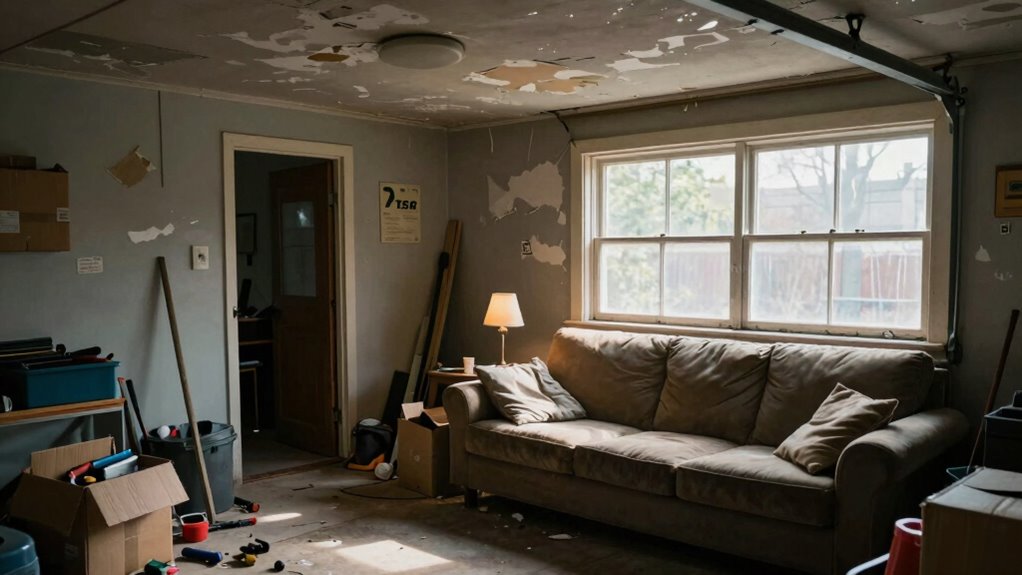

Many homeowners don’t realize that poor sealing and insulation between your garage and living spaces cause dust, fumes, and odors to seep inside, harming your air quality and comfort. Gaps, poorly sealed doors, and weak insulation allow pollutants to enter your home unnoticed. Addressing these issues improves indoor air and energy efficiency. To learn how you can fix this silent problem and protect your home’s health, keep exploring the solutions available.
Listen free for 30 days with Audible
Thousands of audiobooks and originals — cancel anytime.
As an affiliate, we earn on qualifying purchases.
Key Takeaways
- Poor sealing and insulation allow fumes, dust, and odors from garage to infiltrate living spaces, impacting indoor air quality.
- Weak building envelope integrity permits uncontrolled air transfer, causing discomfort and potential health hazards.
- Inadequate weather stripping on garage doors contributes significantly to unwanted air exchange.
- Addressing insulation and sealing issues improves energy efficiency and reduces indoor pollutant levels.
- Proper ventilation and sealing strategies are essential for maintaining a safe, healthy, and comfortable home environment.
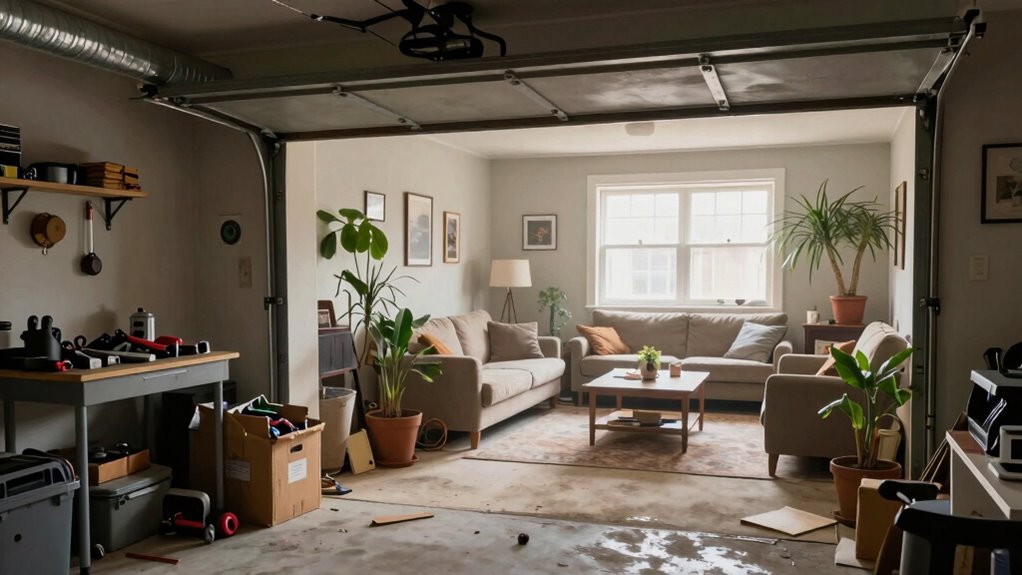
Many homeowners overlook a common yet overlooked issue: the transfer of garage air into the main living spaces. It’s easy to focus on obvious problems like leaks or heating costs, but the subtle flow of air from your garage can quietly undermine your home’s comfort and health. This problem often stems from insulation issues and poor airflow optimization, which together create a pathway for garage air—laden with dust, fumes, and humidity—to seep into your living areas.
Your garage isn’t just a storage space; it’s often a zone with different environmental conditions than the rest of your home. Without proper insulation, the boundary between your garage and house becomes porous, allowing air—and whatever it contains—to travel indoors. Insulation issues can involve gaps in drywall, poorly sealed doors, or insufficient insulation in walls and ceilings. When these weaknesses exist, warm or cool air from the garage can infiltrate your living spaces, bringing along dust, odors, and even chemicals from vehicle fumes or stored products. It’s a discreet transfer that chips away at your indoor air quality and can cause discomfort over time. Ensuring proper home insulation is essential to prevent this issue from escalating. Additionally, understanding how airflow management impacts indoor air quality can help you implement more effective solutions. Properly controlling air exchange between the garage and your home is crucial for maintaining a healthy indoor environment. Recognizing the role of building envelope integrity can further enhance your efforts to keep pollutants out of your living spaces.
Poor garage insulation allows dust, odors, and fumes to seep into your home, reducing indoor air quality and comfort.
To combat this, you need to focus on airflow optimization. Properly sealing the garage door, installing weather stripping, and ensuring that walls separating the garage from the house are well-insulated are critical steps. These measures prevent unwanted air exchange, maintaining a stable indoor climate. Additionally, creating a dedicated exhaust system or ventilation in the garage can help control the air quality before it makes its way into your home. This not only blocks odors and pollutants but also reduces humidity levels, which can otherwise lead to mold growth and structural damage. Addressing these issues isn’t just about comfort; it’s about safeguarding your health and your home’s integrity. When insulation issues are resolved and airflow is optimized, your HVAC system works more efficiently, saving you money on energy bills. You’ll notice less dust and fewer odors in your living spaces, and your indoor air quality will improve markedly. While it might seem like a small, unnoticed problem, tackling the garage-to-house air transfer offers a big return in comfort, safety, and energy efficiency. It’s a quiet fix that can make a noticeable difference, yet many homeowners continue to ignore it, unaware of the silent intrusion happening behind the scenes. Improving indoor air quality with targeted solutions can significantly enhance your home environment.
As an affiliate, we earn on qualifying purchases.
Frequently Asked Questions
How Can I Tell if My Garage Air Is Affecting Indoor Air Quality?
You can tell if garage air affects your indoor quality by noticing musty odors, increased dust, or allergy symptoms. Check your garage ventilation system to see if it’s effectively exhausting fumes and pollutants. Also, consider installing air filtration units that can capture harmful particles. Regularly inspecting for mold or stale air can help you identify if garage air is seeping into your home, impacting your indoor air quality.
Are There Affordable Solutions to Improve Garage-To-House Air Exchange?
Think of your garage ventilation like a revitalizing gust in a stuffy room. Affordable solutions include installing basic air exchange systems or upgrading your garage’s ventilation. These systems help improve garage-to-house air exchange, reducing pollutants and controlling humidity. You can find cost-effective options at hardware stores or consider DIY setups. Proper ventilation ensures healthier indoor air quality without breaking the bank, making your home a more refreshing, safer place.
How Often Should I Test for Harmful Garage Air Pollutants?
You should test for harmful garage air pollutants at least once a year, especially if you use ventilation systems or air purifiers regularly. If you notice odors, increased dust, or allergy symptoms, test more frequently. Regular testing helps guarantee your ventilation systems effectively remove pollutants and your air purifiers are working properly. Consider professional air quality assessments to identify any hidden dangers and maintain a safe, healthy environment in your garage and home.
Can Sealing My Garage Improve Overall Home Air Quality?
Sealing your garage can improve your overall home air quality by reducing the entry of outdoor pollutants, but it’s essential to maintain proper garage ventilation. Properly ventilated garages prevent buildup of harmful gases and moisture. Additionally, using air filtration systems helps remove residual pollutants, ensuring cleaner indoor air. Combined, sealing your garage and enhancing ventilation and filtration create a healthier environment, protecting your home and your family’s well-being.
What Are the Health Risks of Prolonged Exposure to Garage Air?
You’re playing with fire if you ignore the health risks of prolonged exposure to garage air. Poor garage ventilation lets pollutants from sources like chemicals, car fumes, and dust seep into your home, risking respiratory issues and long-term health problems. Breathing in these toxins daily can cause headaches, allergies, or worse. To protect yourself, make sure good ventilation and limit indoor exposure to garage pollutants, keeping your air quality safe and healthy.
As an affiliate, we earn on qualifying purchases.
Conclusion
So, next time you open that garage door, remember it’s not just a portal to your car—it’s a gateway that can invite unwanted guests into your home’s breath. Think of your house as a delicate dance, where every step counts in keeping the air pure. Don’t let this silent intruder choreograph your comfort. Take action now, and turn your home into a fortress of fresh, healthy air—because your sanctuary deserves nothing less.
As an affiliate, we earn on qualifying purchases.
As an affiliate, we earn on qualifying purchases.
Fall Picks
fall essentials
As an affiliate, we earn on qualifying purchases.