Begin by asking if your air filters are up to date and capable of capturing small particles like viruses and pollen. Check if your ventilation systems are clean, well-maintained, and providing adequate airflow without obstructions. Consider what indoor pollution sources, like smoke or cleaning products, might affect your air quality. Think about natural versus mechanical ventilation options and if they are functioning properly. Asking these questions can help you identify improvements, and if you want to explore further, you’ll find helpful tips ahead.
Key Takeaways
- Are the current air filters appropriate for removing small particles like viruses and allergens?
- Is the ventilation system properly maintained and capable of ensuring adequate indoor-outdoor airflow?
- What are the main indoor pollution sources, and how are they being minimized?
- When was the last inspection or upgrade of the filtration and ventilation systems?
- Do we regularly monitor indoor air quality and address any identified issues promptly?
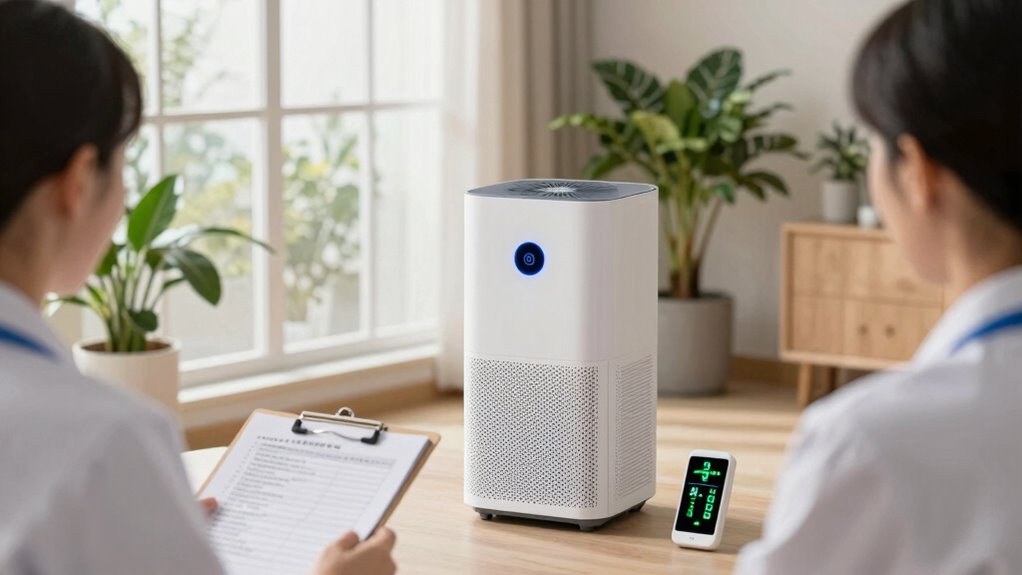
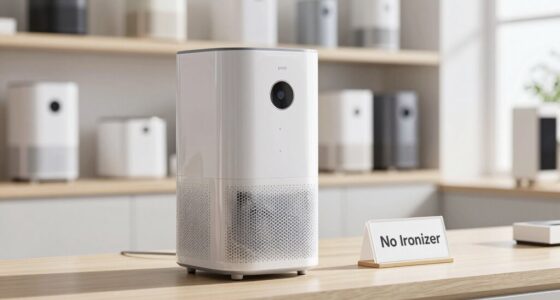
Indoor air quality directly impacts your health and comfort, yet many people overlook potential safety concerns lurking inside their homes or workplaces. One of the first questions you should ask is whether your space has effective air filtration. Good air filtration helps remove airborne pollutants, including dust, pollen, pet dander, and even bacteria or viruses. If your current filtration system isn’t up to par, you might be unknowingly exposing yourself to allergens or harmful particles that can trigger respiratory issues or worsen allergies. Ask yourself if your filters are replaced regularly, if they’re appropriate for your needs, and whether the system is capable of capturing the smallest particles. Upgrading to high-efficiency filters, like HEPA filters, can *considerably* improve indoor air quality and reduce health risks.
Ensure your filters are replaced regularly and consider upgrading to HEPA for healthier indoor air quality.
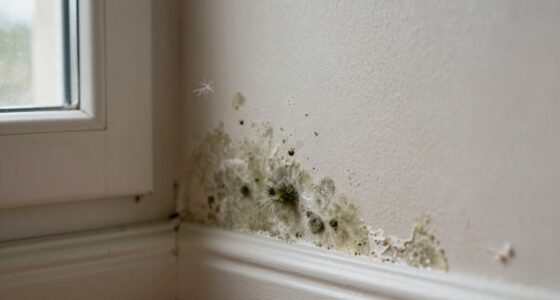
Another *essential* question revolves around your ventilation systems. Proper ventilation ensures a continuous exchange of indoor and outdoor air, diluting pollutants and maintaining fresh air circulation. Consider whether your ventilation system is functioning correctly—are vents clean, unobstructed, and properly maintained? If your space relies on natural ventilation, ask if windows and vents are opened regularly to promote airflow. For mechanically ventilated buildings, verify that the systems are well-designed and operating efficiently. Inadequate ventilation can lead to a buildup of indoor pollutants, moisture, and even mold, all of which compromise air safety and your health. Proper ventilation also helps control humidity levels, which is *crucial* in preventing mold growth and reducing dust mites.
You should also inquire about the overall design of your indoor environment. Are there sources of indoor pollution that could be easily mitigated? For example, smoking indoors, using certain cleaning products, or burning candles can introduce volatile organic compounds (VOCs) and other toxins into the air. Knowing the potential sources allows you to take steps to minimize them. Additionally, think about whether your space has sufficient natural airflow or if you need to enhance your existing systems. Regular inspections and maintenance of air filtration and ventilation systems are key to *guaranteeing* they work effectively over time.
Ultimately, asking these questions helps you take proactive steps to safeguard your indoor air quality. Good air filtration and proper ventilation are the backbone of a healthy environment. When you understand how they work and whether they’re functioning *at their best*, you can make informed decisions—like upgrading filters, improving airflow, or reducing indoor pollution sources—that directly benefit your health and comfort. Your indoor air safety depends on your awareness and action, so don’t overlook these fundamental questions.

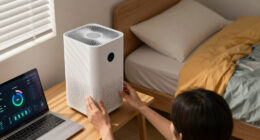
LEVOIT Air Purifier for Home Allergies and Pets Hair Smokers in Bedroom, H13 True HEPA Filter, 24db Filtration System Cleaner Odor Eliminators, Remove 99.97% Dust Smoke Mold Pollen, Core 300, White
- AHAM Verified for Performance: Independently tested for air quality and efficiency
- Powerful Filtration System: 56W motor with 143 CFM CADR
- Effective for Large Rooms: Cleans 222 sq ft 4.8 times/hour
As an affiliate, we earn on qualifying purchases.
As an affiliate, we earn on qualifying purchases.
Frequently Asked Questions
How Often Should Indoor Air Quality Testing Be Conducted?
You should conduct indoor air quality testing at least once every three to six months. Using air quality sensors helps you monitor ongoing conditions, but regular testing guarantees accuracy and catches issues early. Testing frequency depends on factors like weather, occupancy, and potential pollutants. If you notice unusual odors, symptoms, or increased dust, increase testing frequency to maintain a healthy environment and address problems promptly.
Are Air Purifiers Effective Against All Indoor Pollutants?
While air purifiers seem like a revitalizing change, they don’t eliminate all indoor pollutants. Air purifier limitations mean they can effectively remove particles like dust and pollen but fall short against gases, VOCs, or bacteria. You might feel safer, but it’s essential to understand that pollutant removal isn’t complete. Combining purifiers with proper ventilation and source control offers the best protection for your indoor air quality.
What Are the Signs of Poor Indoor Air Quality?
You’ll notice signs of poor indoor air quality when you experience persistent allergies, headaches, or fatigue. You might also detect musty odors or find dust and mold around vents and ventilation systems. Chemical irritants from cleaning products or paints can cause sore throats or eye irritation. Keep an eye on these signs, and make sure your ventilation systems are working properly to improve air quality and reduce these issues.
How Can I Improve Ventilation in My Home?
You can improve ventilation by trying effective techniques like opening windows regularly, using exhaust fans in kitchens and bathrooms, and installing air exchange systems. These methods boost airflow and help remove indoor pollutants. Believe it or not, proper air exchange is essential for indoor air quality. By actively increasing ventilation, you create a healthier environment, reducing stuffiness and potential allergens, making your home safer and more comfortable every day.
Are There Health Risks From Common Household Cleaning Products?
Yes, common household cleaning products can pose health risks, especially if you have chemical sensitivities or are prone to allergen triggers. Many contain volatile organic compounds (VOCs) and harsh chemicals that can irritate your respiratory system or trigger allergies. To stay safe, opt for natural or fragrance-free cleaners, guarantee good ventilation during cleaning, and read labels carefully. This helps minimize exposure and supports healthier indoor air quality.

3 Pack AP-1512HH True HEPA Replacement filter Compatible with Coway Airmega AP-1512HH Air Purifier and Airmega 200M Air Purifier, AP-1512HH, AP-1512HH-FP, AP-1518R, AP-1519P, Item NO #3304899
- Compatibility: Fits Coway AP-1512HH and more
- High Efficiency: Filters 99.99% of airborne particles
- Odor Removal: Carbon filter eliminates odors and gases
As an affiliate, we earn on qualifying purchases.
As an affiliate, we earn on qualifying purchases.
Conclusion
So, next time you walk into a room, don’t just breathe easy—ask questions. Is that air truly safe, or are you unwittingly inhaling a cocktail of mystery gases? Remember, ignoring indoor air quality is the adult version of playing Russian roulette—except this time, the bullet might be a tiny particle you can’t see. Stay vigilant, ask questions, and maybe, just maybe, prioritize your lungs over convenience. After all, who knew breathing could be such a gamble?
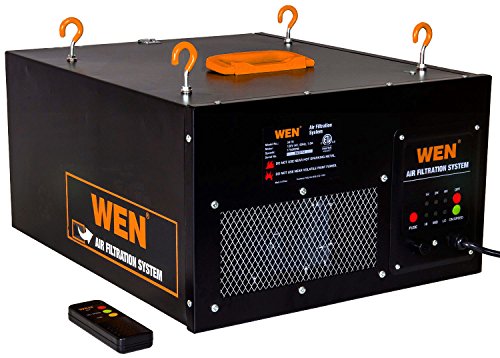
WEN 3410 3-Speed Remote-Controlled Air Filtration System (300/350/400 CFM), Basic w/ RF Remote (400 CFM) , Black
- Filter Type: Includes 1-micron and 5-micron filters
- Product Dimensions: 17” L x 20.5” W x 10” H
- Electrical Specs: 120V, 60Hz, 1A
As an affiliate, we earn on qualifying purchases.
As an affiliate, we earn on qualifying purchases.

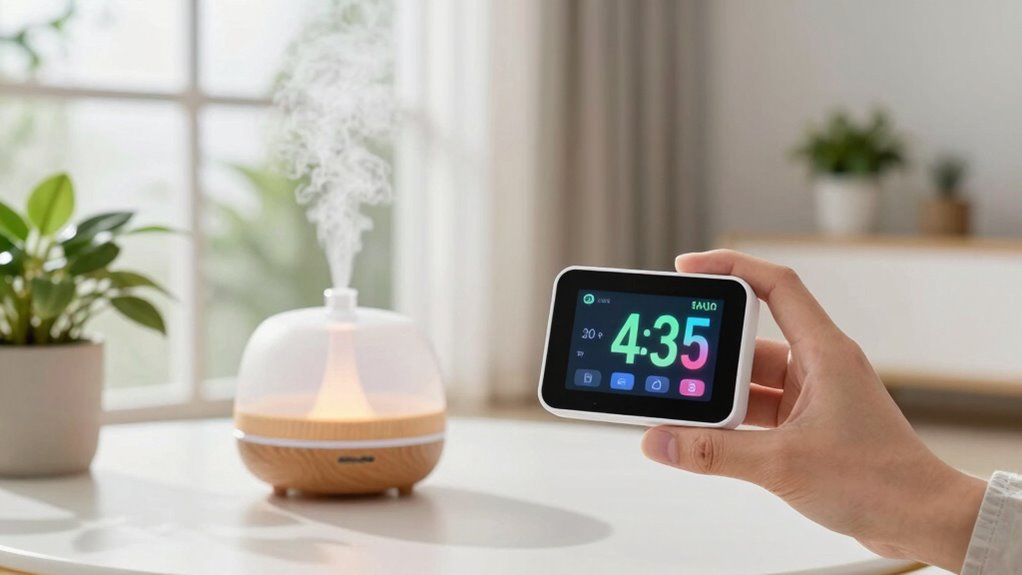
8-in-1 Indoor Air Quality Monitor, Portable Tester for Temperature, Humidity, HCHO, TVOC, Smart Sensor for Grow Tents, Bedroom, Home
- 8-in-1 Air Quality Monitoring: Tracks CO2, AQI, temperature, humidity, HCHO, TVOC
- High-Precision Sensors: Provides fast, reliable, and sensitive readings
- Long-Lasting Rechargeable Battery: Up to 72 hours of use on a single charge
As an affiliate, we earn on qualifying purchases.
As an affiliate, we earn on qualifying purchases.