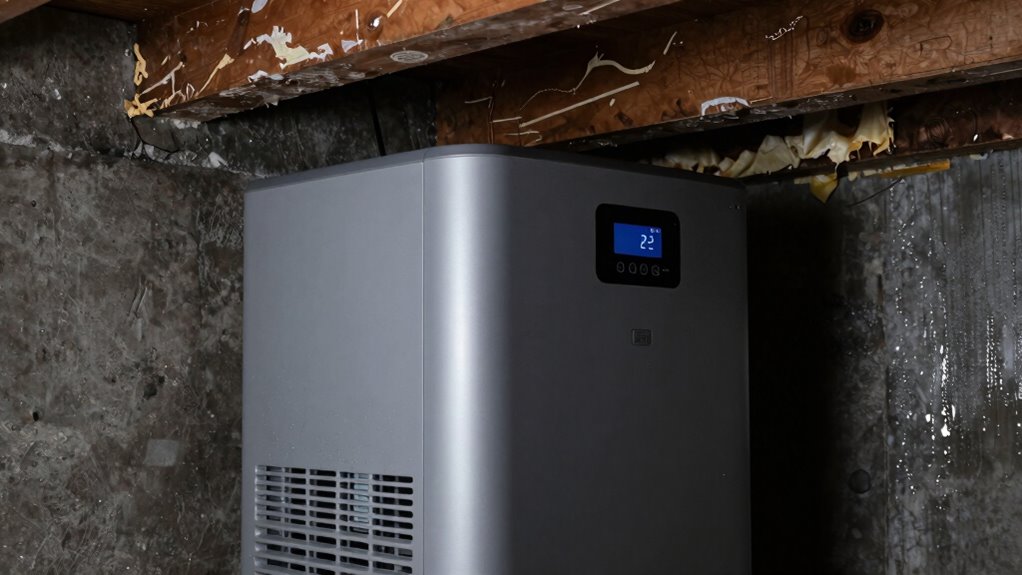

Crawl space dehumidifiers need their own buying logic because every space is different, with unique moisture levels, sizes, and environmental conditions that affect how well the unit works. You can’t choose a one-size-fits-all model without taking into account these factors, or you’ll risk ineffective moisture control and higher costs. To keep your space dry and protected, you must match the dehumidifier’s capacity, features, and efficiency to your specific needs. There’s more to consider if you want the best results.

Get health and wellness essentials delivered free with Prime
- Fast, free delivery on millions of items
- Prime Video, Amazon Music and more included
- Member-only deals all year
Key Takeaways
- Different crawl spaces vary in size and conditions, requiring tailored dehumidifier capacity and features for effective moisture control.
- Energy efficiency and durability are crucial to minimize long-term operating costs and withstand challenging environments.
- Proper maintenance ease and reliable components ensure the dehumidifier functions effectively over time in dusty, humid spaces.
- Specific performance metrics and features must match the unique moisture levels and environmental conditions of each crawl space.
- A customized buying strategy ensures the unit provides optimal moisture management, energy savings, and long-term reliability.
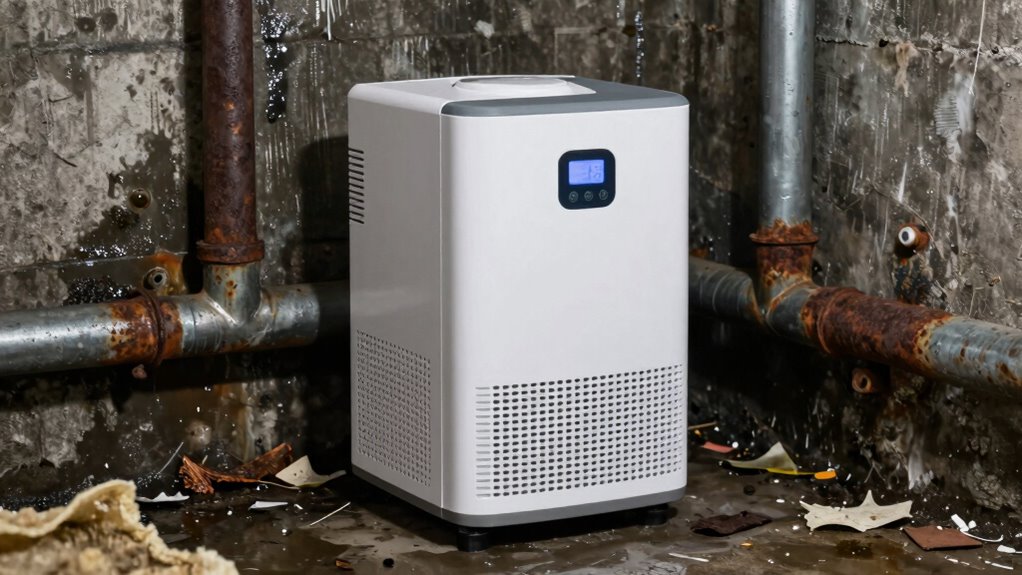
When it comes to maintaining a healthy and dry crawl space, choosing the right dehumidifier is essential. Your goal is to control moisture effectively, preventing mold, wood rot, and unpleasant odors that can travel into your living space. But not all dehumidifiers are created equal, and selecting one requires more than just picking a popular brand or the most affordable option. You need a logical approach that considers your specific needs and the unique environment of your crawl space.
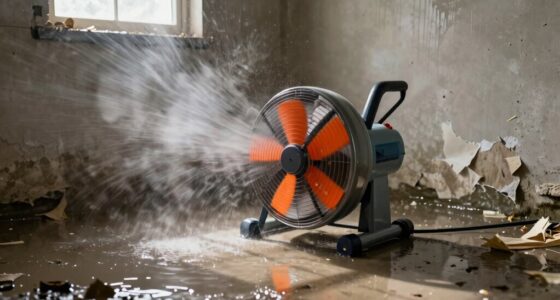
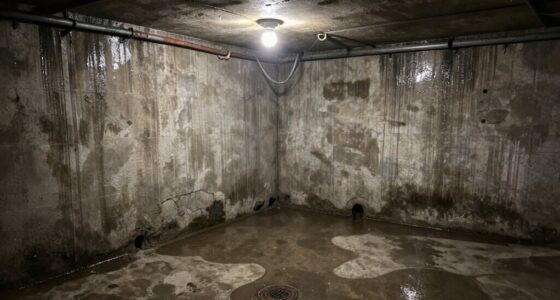
Moisture control is the top priority. A good dehumidifier should be capable of extracting enough humidity to keep the relative humidity (RH) levels in check, ideally between 30% and 50%. Too much moisture can lead to mold growth and structural damage, while too little can cause unnecessary dryness and energy waste. Understanding the size of your crawl space helps determine the capacity of the dehumidifier you need. A smaller unit won’t be effective in a large area, and an oversized one could run inefficiently, wasting energy. It’s important to choose a model that matches the space’s square footage and volume to optimize performance.
Choose a dehumidifier that matches your crawl space size to effectively control moisture and prevent damage.
Energy efficiency plays a crucial role in your decision-making process. A dehumidifier that consumes less power not only lowers your utility bills but also reduces environmental impact. Look for units with high Energy Star ratings, which indicate better energy performance. Features like auto shut-off when desired humidity levels are reached help prevent unnecessary running time, saving you money. Remember, a more energy-efficient dehumidifier might cost more upfront, but it pays off over time through lower operating costs. Energy efficiency is especially important in environments like crawl spaces, where continuous operation may be necessary. Additionally, evaluating the performance metrics of different models can help you determine which unit will best meet your needs in terms of efficiency and capacity.
Another aspect to consider is the durability and ease of maintenance. Crawl spaces can be dusty and humid, so your dehumidifier should be built to withstand these conditions. A model with a reliable filter system and accessible components makes routine cleaning and filter replacement straightforward, ensuring consistent moisture control. Furthermore, selecting a unit with robust construction can help it endure the challenging environment over time. Additionally, features like automatic defrosting or adjustable humidity settings give you more control and help the unit operate efficiently in varying conditions. Regular maintenance and durability are key to ensuring your dehumidifier remains effective over the long term. Incorporating reliable components can also extend the lifespan of your unit and reduce the need for repairs.
Ultimately, your buying logic should revolve around matching the dehumidifier’s capacity and features to your crawl space’s size and conditions. Prioritize moisture control and energy efficiency to ensure that your investment keeps your space dry, healthy, and cost-effective to operate. Avoid impulse purchases or choosing based solely on price—think about longevity, performance, and how well the unit fits your specific needs. A thoughtful approach will lead to better results, protecting your home in the long run. Understanding how to evaluate dehumidifier performance and specifications is key to making an informed choice.
crawl space dehumidifier with auto shut-off
As an affiliate, we earn on qualifying purchases.
As an affiliate, we earn on qualifying purchases.
Frequently Asked Questions
How Often Should I Empty the Dehumidifier’s Water Tank?
You should empty your crawl space dehumidifier’s water tank when it’s full, which depends on its water tank capacity and how humid your space is. Typically, you’ll need to check and perform maintenance frequently—often daily or every few days—to prevent overflow and guarantee ideal operation. Regular maintenance keeps your dehumidifier working efficiently, helping to control moisture and prevent mold growth in your crawl space.
Can a Crawl Space Dehumidifier Operate in Cold Temperatures?
Did you know cold climate homes can still benefit from dehumidifiers? In cold temperatures, many models struggle, but some crawl space dehumidifiers are designed specifically for low temps. They operate effectively by incorporating features like hot gas defrost. If your home has proper insulation, these units can control moisture without freezing up, helping prevent mold and wood damage even in chilly conditions. Choose models suited for cold climates for ideal performance.
What Is the Energy Consumption of Different Dehumidifier Models?
Different crawl space dehumidifier models vary in energy consumption, affecting your power bills. Energy efficiency is key; some models use less electricity while providing the same moisture control. Check the power consumption ratings, often listed in watts or kilowatt-hours, to compare. Opt for units with higher energy efficiency ratings to save money long-term. Remember, a more efficient dehumidifier may cost more upfront but can lower your overall energy costs over time.
How Loud Are Crawl Space Dehumidifiers During Operation?
Think of crawl space dehumidifiers as whispering secrets; their noise levels vary, but many operate quietly enough to go unnoticed. Sound insulation helps dampen vibrations, making them less of a disturbance. Some models emit gentle hums, while others are nearly silent, letting you focus on your day without distraction. When choosing, consider the noise levels and sound insulation features to guarantee your crawl space stays comfortable without adding noise pollution.
Do Dehumidifiers Require Professional Installation or Maintenance?
You don’t necessarily need a professional to install or maintain your crawl space dehumidifier. Follow the installation guidelines carefully, guaranteeing proper placement and electrical safety. Regular maintenance routines, like cleaning filters and checking for leaks, keep it running efficiently. However, if you’re uncomfortable with electrical work or complex setup, hiring a professional can ensure everything’s done correctly and safely, saving you time and potential headaches.
energy efficient crawl space dehumidifier
As an affiliate, we earn on qualifying purchases.
As an affiliate, we earn on qualifying purchases.
Conclusion
Choosing the right crawl space dehumidifier isn’t just about size or price—it’s about understanding your space’s unique needs. Did you know that maintaining humidity levels between 30-50% can considerably reduce mold growth and improve air quality? By applying your own buying logic, you’ll guarantee a healthier, more comfortable home. Remember, the right dehumidifier can reduce energy costs and extend its lifespan, making it a smart investment for long-term comfort and safety.
large capacity crawl space dehumidifier
As an affiliate, we earn on qualifying purchases.
As an affiliate, we earn on qualifying purchases.
dehumidifier for dusty humid environments
As an affiliate, we earn on qualifying purchases.
As an affiliate, we earn on qualifying purchases.
Halloween Picks
halloween
As an affiliate, we earn on qualifying purchases.