
TL;DR
While social media suggests women should tailor workouts to their menstrual cycle, scientific evidence supporting this is lacking. Experts recommend listening to individual body signals instead.
Current scientific evidence does not support the idea that women should modify their workout routines according to their menstrual cycle phases.
Social media platforms have popularized the idea that women can optimize their exercise routines by syncing them with different phases of their menstrual cycle, such as lifting heavier weights during ovulation and engaging in gentler activities like yoga during other times. However, Dr. Marianna Apicella, a researcher at the University of Leicester specializing in female physiology, states that there is little high-quality evidence to support this practice. Her research indicates that women’s muscle-building capacity remains broadly consistent across different phases of the menstrual cycle, including the follicular and luteal phases.
Dr. Apicella emphasizes that individual experiences vary, and symptoms such as cramps, fatigue, or mood swings can influence perceived performance. These symptoms, rather than hormonal fluctuations alone, are more likely to affect exercise outcomes. She advises women to pay attention to their own feelings and responses rather than relying on generalized cycle-based workout plans.
Why It Matters
This matters because many women are influenced by social media advice suggesting cycle-based workout adjustments. Without scientific backing, such practices may lead to unnecessary restrictions or misinterpretations of personal fitness potential. Recognizing that individual symptoms and feelings are more relevant can promote healthier, more personalized approaches to exercise.

SINOPHANT High Waisted Leggings with Pockets Women, Full Length Capri Buttery Soft Stretchy Yoga Pants(Full Black,S-M)
2 OUTER POCKETS: SINOPHANT leggings have new pockets that prevent deformation and keep your pocket from sinking, even…
As an affiliate, we earn on qualifying purchases.
As an affiliate, we earn on qualifying purchases.
Background
The idea of syncing workouts with menstrual cycles gained popularity through social media, where influencers promote phase-specific training routines. Scientific research on this topic remains limited, with some studies suggesting hormonal fluctuations could influence strength or endurance. However, recent research from Dr. Apicella and others indicates that the evidence supporting significant performance differences across cycle phases is weak. Historically, women’s exercise routines have often been based on anecdotal reports rather than rigorous science, leading to ongoing debates about best practices.
“There’s no strong evidence that you’ll gain more strength or muscle at one point in your cycle than another.”
— Dr. Marianna Apicella
“Everyone’s different, so some people might feel stronger at certain points, but symptoms are the key factor affecting performance.”
— Dr. Marianna Apicella
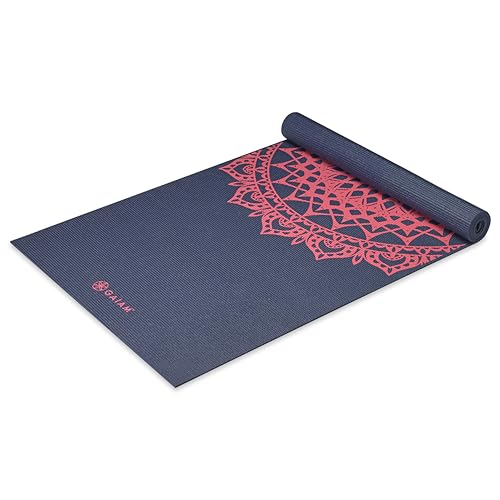
Gaiam, Yoga Mat 4 Mm Pink Marrakesh
LIGHTWEIGHT YOGA MAT: These durable, yet extremely lightweight exercise yoga mats give you just the right amount of…
As an affiliate, we earn on qualifying purchases.
As an affiliate, we earn on qualifying purchases.
What Remains Unclear
It remains unclear whether specific hormonal fluctuations might influence certain types of exercise or athletic performance in some women. More targeted research is needed to determine if any subtle effects exist and how they might vary among individuals.

Smart Watch for Women, Answer/Make Call, 1.32'' AMOLED Ultra-Clear Screen Fitness Tracker with Heart Rate/Sleep/SpO2 Monitor, Smartwatch for iPhone/Samsung/Android, 110+ Sport Modes, 3ATM Waterproof
【Crystal-Clear Communication】AEAC smartwatch delivers clear call quality with high-definition speakers and microphones. Built with an AI assistant, it…
As an affiliate, we earn on qualifying purchases.
As an affiliate, we earn on qualifying purchases.
What’s Next
Researchers are expected to continue exploring the relationship between hormonal changes and exercise performance. Future studies may clarify whether personalized, cycle-aware training can have any measurable benefits, but current guidance emphasizes listening to one’s own body rather than adhering to rigid cycle-based plans.

Ayombo Pilates Bar Kit with Resistance Bands, Adjustable Pilates Equipment for Legs, Hip, Waist, Arm, Squats Exercise Equipment for Home Gym Workouts, 3-Section Pilates Bar Kit for Women & Men
Pilates Exercise is Everywhere: Do you want to have a perfect hip? Do you want to have an…
As an affiliate, we earn on qualifying purchases.
As an affiliate, we earn on qualifying purchases.
Key Questions
Should women change their workout routines based on their menstrual cycle?
Current scientific evidence does not support routine changes based on cycle phases. Women are encouraged to listen to their bodies and adapt their exercise based on personal feelings and symptoms.
Does hormonal fluctuation affect strength or endurance?
Research suggests that hormonal fluctuations do not significantly impact overall strength or endurance across the menstrual cycle, though individual experiences may vary.
Is there any benefit to syncing workouts with the menstrual cycle?
There is no conclusive scientific evidence to support benefits from cycle-based workout synchronization. Personal comfort and symptom management remain more important.
Why do some women feel stronger or weaker at different times?
Variations in symptoms such as fatigue, cramps, or mood swings often influence perceived performance, rather than hormonal changes alone.
Source: Guardian Life
![[World Report] “We don’t want it to happen to others”: suicide in young Māori](https://breatheatlas.com/wp-content/uploads/2026/05/world-report-we-don-t-want-it-to-happen-to-others-suicide-in-young-m-ori-featured-560x300.jpg)