
TL;DR
In 2026, the FDA issued a recall of specific levothyroxine sodium tablets due to manufacturing issues. Patients using this medication should consult their healthcare providers. The recall impacts thousands of users and raises concerns about medication safety.
The U.S. Food and Drug Administration (FDA) announced in February 2026 a voluntary recall of certain batches of levothyroxine sodium tablets due to manufacturing quality issues. The recall impacts specific strengths and lot numbers, affecting thousands of patients who rely on this medication for thyroid hormone replacement. Patients should also be aware of other product recalls like the Egg Recall for food safety concerns. This development is significant as levothyroxine is among the most prescribed medications for hypothyroidism, and the recall raises concerns about medication safety and supply continuity.

Get health and wellness essentials delivered free with Prime
- Fast, free delivery on millions of items
- Prime Video, Amazon Music and more included
- Member-only deals all year
The FDA stated that the recalled levothyroxine products were found to have potential contamination and manufacturing deviations that could compromise dosage accuracy and safety. The affected products were produced by a major pharmaceutical manufacturer and distributed nationwide. Learn more about how recalls are managed on our Pluribacter Gergoviae Shampoo Recall page. Patients currently taking levothyroxine are advised to check their medication labels for lot numbers and contact their healthcare providers to determine if their medication is affected. The manufacturer has issued a voluntary recall, and the FDA is overseeing the process to prevent further distribution of the impacted batches.
Officials from the FDA emphasized that there have been no reports of adverse health events linked to the recall so far, but they caution that patients should not stop their medication without medical guidance. Healthcare providers are being notified to assist patients in switching to alternative supplies or formulations. The recall is part of routine quality control measures following internal audits and testing that identified the manufacturing issues.
Impact of the Levothyroxine Recall on Patients and Healthcare
This recall is significant because levothyroxine is a critical medication for managing hypothyroidism, a condition affecting millions in the U.S. The potential contamination or dosage inaccuracies could lead to symptoms of under- or over-treatment, including fatigue, weight changes, or cardiovascular issues. The recall highlights ongoing concerns about medication quality control and supply disruptions, which could affect treatment adherence and health outcomes for many patients. Healthcare providers will need to manage medication switches carefully to ensure continuity of care during this period.
Products Worth Considering

Coway Mighty Air Purifier AP-1512HH(W), White
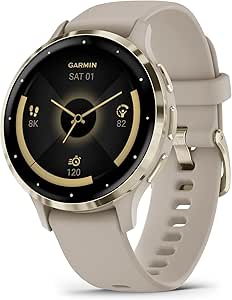
Garmin Venu 3S GPS Fitness Smartwatch, 41 mm, French Gray

Levoit Vital 100S-P Air Purifier with Washable Pre-Filter
As an affiliate, we earn on qualifying purchases.
Background on Levothyroxine and 2026 Recall Timeline
Levothyroxine has long been a standard treatment for hypothyroidism, with millions of prescriptions filled annually in the U.S. The 2026 recall follows previous quality concerns and recalls related to thyroid medications, though this is the first major recall announced this year. The affected batches were produced by a leading pharmaceutical company, which issued a voluntary recall after internal quality assessments revealed deviations from manufacturing standards. The FDA has been monitoring the situation since the initial detection, and the recall process is ongoing to prevent further distribution of the affected lots. Historically, medication recalls like this can cause disruptions in patient treatment and require close coordination between manufacturers, regulators, and healthcare providers.
“Patients should check their medication labels immediately and consult their healthcare providers if they have any concerns.”
— FDA spokesperson
Unresolved Questions About the Scope and Impact
It is still unclear exactly how many patients are affected by the recall, as the FDA and manufacturer have not disclosed specific numbers. The full extent of potential health risks posed by the contaminated batches remains under investigation, and there have been no confirmed reports of adverse health events linked to the recall to date. Additionally, details about the specific manufacturing deviations and whether other medications might be impacted are still emerging.
Next Steps for Patients and Healthcare Providers
Patients using levothyroxine should check their medication labels for lot numbers and contact their healthcare providers to confirm if their medication is affected. Healthcare providers are preparing to assist patients with switching to alternative supplies or formulations, and the FDA is monitoring the situation closely. The manufacturer is expected to issue further details as investigations continue, and regulatory agencies will oversee the recall process to ensure affected medication is removed from circulation. Patients are advised not to stop medication without medical advice and to report any unusual symptoms to their healthcare providers.
Key Questions
Should I stop taking my levothyroxine medication immediately?
No. Patients should not stop taking their medication without consulting their healthcare provider. If you suspect your medication is affected by the recall, contact your provider for guidance.
How can I tell if my medication is part of the recall?
Check the medication label for the lot number and expiration date. If your lot number matches those listed in the recall notice, contact your healthcare provider for alternatives.
What are the health risks if I take contaminated levothyroxine?
Potential risks include dosage inaccuracies leading to symptoms of hypothyroidism or hyperthyroidism, such as fatigue, weight changes, or heart issues. However, no adverse events have been confirmed so far.
When will the affected medication be available again?
The manufacturer is working to resolve the quality issues and will resume production once standards are met. Specific timelines are not yet available.
Source: google-trends