

TL;DR
New findings suggest that research funded by Red Bull, now considered unreliable, played a role in shaping energy drink policies. This raises questions about the influence of corporate-funded studies on public health regulations.
Investigations have revealed that questionable research funded by Red Bull has significantly influenced the development of energy drink regulations in multiple countries. This new evidence raises concerns over the integrity of scientific data used in policymaking and the role of corporate funding in shaping public health laws.
According to recent reports, a series of studies with links to Red Bull, some of which have been discredited or flagged for methodological flaws, played a role in the formulation of energy drink policies in several jurisdictions. Regulatory agencies in Europe, North America, and elsewhere cited these studies when establishing limits on caffeine content and marketing restrictions.
Sources familiar with the investigations state that some of these studies received funding from Red Bull or were conducted by researchers with undisclosed ties to the company. Critics argue that this raises questions about the impartiality of the evidence used to justify regulations that impact consumer safety and industry practices.
Red Bull has denied any wrongdoing, asserting that their funding was transparent and that the research was conducted independently. However, independent experts and watchdog organizations have raised concerns about the potential influence of corporate interests on scientific research and policy decisions.
Implications of Corporate-Funded Research on Public Policy
This development matters because it highlights how corporate funding can compromise scientific integrity and influence public health regulations. If policies are based on unreliable or biased research, it could undermine consumer safety and erode public trust in regulatory institutions. The case underscores the need for transparency and rigorous review in the scientific basis for policymaking, especially in industries like energy drinks that pose health risks.
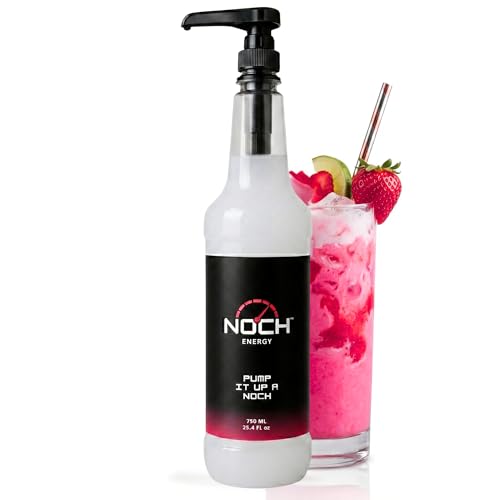
Noch Energy – Make Any Drink an Energy Drink, Flavorless Energy Drink Mix, Liquid Caffeine Additive, Energy Drink Syrup, Liquid Energy Supplement, Low Calorie, 100 Servings
- Flavorless Energy Boost: Seamlessly blends into any beverage
- Versatile Usage: Enhances sodas, smoothies, cocktails, and more
- Customizable Caffeine Dosing: Control caffeine intake with 50 mg per serving
As an affiliate, we earn on qualifying purchases.
As an affiliate, we earn on qualifying purchases.
Background of Energy Drink Regulation and Industry Influence
Energy drink policies have historically been shaped by a combination of scientific research, industry lobbying, and public health concerns. Over the past decade, regulatory agencies have implemented restrictions on caffeine levels and marketing practices, often citing studies on health risks. However, the integrity of some of this research has come under scrutiny, especially when linked to funding sources with vested interests.
Previous investigations revealed that some industry-funded studies produced results favorable to energy drink companies, leading critics to question whether the evidence was genuinely independent. The recent findings about Red Bull’s involvement add a new layer to this ongoing debate, suggesting that some policy decisions may have been influenced by questionable research.
While Red Bull maintains that their research was conducted ethically, the emerging evidence indicates that policymakers may have relied on studies with conflicts of interest, potentially affecting the robustness of regulations worldwide.
“The reliance on studies funded by energy drink companies raises serious concerns about the objectivity of the evidence used to craft public health policies.”
— Dr. Laura Simmons, Public Health Researcher

Safety Siren Pro4 Home Radon Gas Detector, Continuous Monitoring for Indoor Use with LED Indicators and Long-Term Radon Tracking, Real-Time Alerts, Digital Display and Alarm Function – 2 Pack
- Number of Units: 2-pack for multiple areas
- Monitoring Technology: Fourth-generation Pro4 sensors
- Tracking Duration: Short and long-term radon trends
As an affiliate, we earn on qualifying purchases.
As an affiliate, we earn on qualifying purchases.
Unconfirmed Aspects of Research Funding and Influence
It is not yet clear how extensively Red Bull’s funding influenced specific regulatory decisions or whether alternative independent studies could have led to different policies. The full scope of the research’s impact remains under investigation, and some regulators have not publicly disclosed their evidence bases.

Optimum Nutrition Amino Energy Sparkling Hydration Drink, Electrolytes, Caffeine, Amino Acids, BCAAs, Sugar Free, 12 Fl Oz, Variety Pack of 12 (Packaging May Vary)
- Energy and Hydration: 100mg caffeine and electrolytes
- Sugar-Free and Low Calorie: Only 5 calories per serving
- Amino Acids for Recovery: 5 grams per serving for muscle recovery
As an affiliate, we earn on qualifying purchases.
As an affiliate, we earn on qualifying purchases.
Next Steps in Investigating Research and Policy Impacts
Ongoing investigations by regulatory bodies, independent watchdogs, and academic institutions aim to clarify the extent of Red Bull’s involvement in research influencing policy. Future reports are expected to scrutinize other industry-funded studies and assess their role in regulatory decisions. Policymakers may also revisit existing regulations if evidence of bias is confirmed.

Plant Pop | Multifunctional Prebiotic Soda | Watermelon | 10 Calories | Natural flavors | Made with Organic Plant-Based Ingredients | Caffeine Free | 12oz (12 pk) cans
- Supports mental performance: Includes L-Theanine for cognition
- Boosts gut health: Contains prebiotic Jerusalem Artichoke
- Enhances immune support: Infused with Elderberry
As an affiliate, we earn on qualifying purchases.
As an affiliate, we earn on qualifying purchases.
Key Questions
How did Red Bull influence energy drink regulations?
Investigations suggest that research funded or conducted by Red Bull played a role in shaping policies related to caffeine limits and marketing restrictions, although the full extent is still being examined.
Are the studies used to justify regulations reliable?
Some of the studies linked to Red Bull have been discredited or flagged for methodological flaws, raising doubts about their reliability and impact on policy decisions.
What does this mean for consumer safety?
If policies are based on flawed research, there is a risk that regulations may not adequately protect consumers from potential health risks associated with energy drinks.
Will regulators revisit existing energy drink policies?
Regulatory agencies are expected to review the evidence base behind current policies, and if conflicts of interest are confirmed, they may consider revising regulations to ensure scientific integrity.
What can be done to prevent similar issues in the future?
Enhancing transparency in research funding, requiring disclosures of conflicts of interest, and prioritizing independent studies can help improve the integrity of scientific evidence used in policymaking.
Source: hn