
TL;DR
Sleep wellness products range from trackers to blackout curtains, but their effectiveness varies. Matching products to specific sleep issues and understanding their limits is key to better rest. Most important: consistency and addressing root causes matter more than gadgets.
Ever feel overwhelmed by the sheer number of sleep gadgets and wellness products claiming to boost your rest? You’re not alone. The market is flooded with options promising everything from faster sleep onset to longer nights and deeper rest. But here’s the truth: not all products deliver what they promise. Understanding what works—and what doesn’t—can save you time, money, and frustration.
This guide breaks down the most popular sleep health and wellness products, how they fit different sleep issues, and what science actually says about their effectiveness. Whether you’re looking to upgrade your bedroom, track your sleep, or try supplements, knowing the facts helps you make smarter choices for genuine rest.
Choose sleep products based on your specific problem—matching solutions to causes yields better results.
Don’t rely solely on sleep trackers for diagnosis; focus on long-term patterns and how you feel.
Safety and regulation vary—consult professionals and review privacy policies before trying new gadgets or supplements.
Most effective sleep improvements come from consistent routines, addressing medical issues, and behavioral changes, not gadgets.
Stay skeptical of trends lacking scientific support, especially social-media fads like mouth taping or elaborate supplement stacks.
Which sleep products are backed by good evidence—and which are just hype?
When it comes to sleep products, evidence matters more than marketing. The strongest proof supports consistent sleep habits, treating underlying health issues, and using cognitive behavioral therapy for insomnia (CBT-I). Many gadgets and supplements help you feel calmer or more relaxed but don’t necessarily improve sleep quality in a meaningful way.
For example, a study in 2019 found that while weighted blankets may help reduce anxiety, their impact on sleep duration or quality is modest at best. Similarly, some sleep apps claim to diagnose or treat disorders but lack regulatory approval or scientific validation. It’s vital to distinguish between products that truly address sleep problems and those offering only comfort or placebo effects.
Think of it this way: a product can help you fall asleep faster or feel more rested temporarily, but if your sleep issues stem from a medical condition or inconsistent schedule, gadgets won’t solve the root cause. Knowing your specific goal—whether it’s longer sleep, fewer awakenings, or better alertness—is key to choosing wisely.
weighted blanket for anxiety and sleep
As an affiliate, we earn on qualifying purchases.
As an affiliate, we earn on qualifying purchases.
How accurate are sleep trackers, and what should you really look for?
Sleep trackers like smartwatches, rings, and mattress sensors estimate your sleep duration and patterns. They use movement, heart rate, and sometimes oxygen levels to give a broad picture. But they’re not medical devices, so don’t rely on them for diagnosis.
An example: your wrist tracker might say you slept only 5 hours, but you feel rested. That’s because trackers often misinterpret quiet wakefulness or light sleep as sleep. According to research, consumer devices are fairly good at estimating total sleep time but less reliable at pinpointing sleep stages or brief awakenings.
Tracking can be helpful for spotting long-term patterns—like consistently sleeping less on weekdays—but obsessing over nightly scores can increase anxiety, sometimes worsening sleep. Focus more on your overall trend and how you feel during the day, not every little fluctuation.
Key tip: Use sleep tracking as a guide, not a diagnosis. If you suspect a sleep disorder, consult a professional for proper testing.
blackout curtains for better sleep
As an affiliate, we earn on qualifying purchases.
As an affiliate, we earn on qualifying purchases.
Matching the right product to your sleep problem: what actually works?
Different sleep issues call for different solutions. Here’s a quick guide:
| Problem | Effective Strategies |
|---|---|
| Irregular schedule | Consistent wake times, morning light exposure, and sleep routines |
| Noise or light disruptions | Earplugs, white-noise machines, blackout curtains, eye masks |
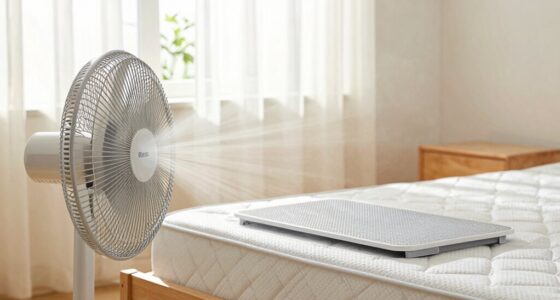
| Heat or discomfort | Breathable bedding, climate control, fans |
| Chronic insomnia | CBT-I, not gadgets or supplements alone |
| Snoring or breathing issues | Medical assessment, positional devices, or prescribed sleep apnea treatment |
| Restless legs or pain | Address underlying medical conditions, gentle stretching, or medication under guidance |
For example, a person with noisy neighbors might find relief with a white-noise machine and blackout curtains, while someone with irregular sleep hours could benefit from a sunrise alarm and morning light therapy. Matching solutions to causes yields better results than random gadget shopping.
As an affiliate, we earn on qualifying purchases.
Are sleep products safe, regulated, and worth your money?
Safety and regulation vary widely. Just because a product is labeled “natural” doesn’t mean it’s safe or effective. Supplements like melatonin, magnesium, or herbal blends can have side effects, interact with medications, and aren’t always tested thoroughly.
For instance, melatonin is generally safe for short-term use but may cause vivid dreams or dizziness in some people. Timing matters—taking it too late can shift your sleep cycle undesirably. Similarly, weighted blankets can be unsafe for those with mobility issues or breathing problems.
Always check for independent testing or certifications. Children, pregnant women, and those on medications should consult healthcare providers before trying sleep aids.
Remember: safety first. If in doubt, professional guidance protects you from potential risks.
cognitive behavioral therapy for insomnia book
As an affiliate, we earn on qualifying purchases.
As an affiliate, we earn on qualifying purchases.
Why privacy matters when using sleep apps and wearables
Sleep devices collect sensitive data—heart rate, location, routines—that can be misused if not protected. Many apps share data with third parties or sell it to marketers without clear consent.
For example, a popular sleep tracker might store your sleep patterns and location data in the cloud. If that data isn’t protected, it can be accessed or sold, raising privacy concerns.
Always review privacy policies: what data are collected, how it’s used, and whether you can delete it. Opt for products that prioritize user privacy and transparency. Avoid sharing overly personal info unless you trust the provider.
Protecting your sleep data is part of overall wellness—your health info should stay yours.
What’s new in sleep tech? Recent trends shaping your rest
Recent innovations focus on personalized insights, temperature regulation, and circadian health. Wearables now incorporate sensors for skin temperature, oxygen, and breathing patterns, aiming for more precise data. But more sensors don’t guarantee accuracy—clinical validation remains limited.
Apps now offer tailored recommendations based on your data—like adjusting bedtime or light exposure—though they’re no substitute for medical advice. Digital CBT-I programs have expanded access to proven insomnia treatments, teaching sleep hygiene, stimulus control, and relaxation techniques.
Temperature management is also gaining ground. Cooling mattresses and breathable fabrics help regulate body heat, which research links to better sleep quality. Some products even support circadian alignment, encouraging morning light exposure and consistent schedules.
Meanwhile, social-media trends such as mouth taping and elaborate supplement routines spark debate—many lack scientific backing and could pose safety issues. Always approach new trends with cautious skepticism.
The must-know facts about sleep health and wellness products
Most adults need about seven to nine hours of sleep, but individual needs vary. Quality matters—continuity, timing, and how rested you feel are more telling than just hours clocked. Alcohol might help you fall asleep but often causes disruptions later. Caffeine’s effects can linger for hours, especially for sensitive sleepers.
A cool, dark, and quiet bedroom supports sleep, but there’s no one-size-fits-all temperature or product. Expensive gadgets aren’t always better than simple fixes like establishing a regular wake time or using earplugs. Persistent insomnia isn’t laziness—it’s a treatable health issue. If you snore loudly or experience gasping, seek medical advice. Sleep aids and gadgets address specific issues and aren’t interchangeable.
Your questions answered: real sleep product queries
Q: Which sleep products are supported by good evidence? Products like CBT-I apps, blackout curtains, and white-noise machines have strong support. Many gadgets are helpful for comfort but lack solid proof of improving sleep quality.
Q: Are expensive mattresses worth it? Not necessarily. Comfort, durability, and support matter more. Sometimes, a simple pillow upgrade or mattress topper does the trick.
Q: Do weighted blankets really work? They can reduce anxiety and help with sensory issues, but their impact on sleep duration is modest. Choose one that’s breathable and the right weight for your body.
Q: Is a white-noise machine better than a phone app? Generally, dedicated sound machines produce more consistent, high-quality sound at safe volumes—better for sleep and less likely to disturb others.
Q: Can cooling bedding help with night sweats? Yes, breathable fabrics and cooling pads can make a noticeable difference in comfort, especially for hot sleepers or during menopause.
Keep in mind: testing a product for at least a few weeks helps determine if it truly makes a difference for your sleep.
Conclusion
Your best sleep isn’t about the latest gadget or trending supplement. It’s built on a foundation of regular routines, addressing underlying health issues, and creating a comfortable environment. Sleep products can support these efforts, but they rarely replace the basics.
Think of your sleep like a house: a sturdy foundation—good sleep habits—makes everything else work better. When you focus on the essentials, you’ll wake up feeling more rested, alert, and ready for the day. The real power lies in consistency and awareness, not in every new device that hits the market.