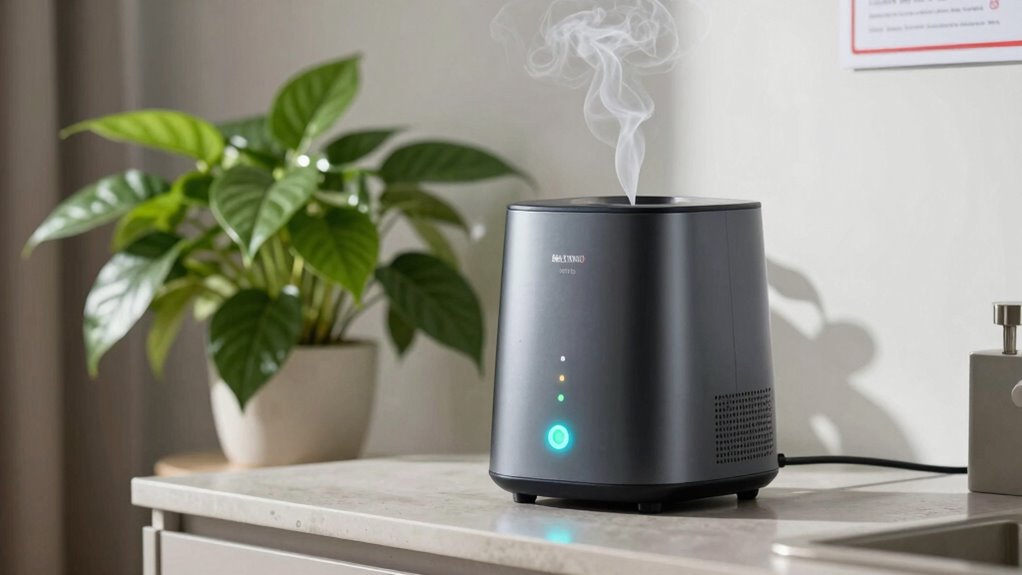
Ionizers purify air by generating charged ions and sometimes ozone. While they help reduce airborne particles, ozone emissions can pose health risks, like respiratory problems and irritation. Ozone forms naturally from electrical discharges and interacts with pollutants. It’s important to monitor indoor ozone levels to avoid overexposure, which can harm sensitive individuals. Understanding these ozone warnings is essential for safe use. Keep exploring to uncover more about ionizers and their impact on air quality.
Listen free for 30 days with Audible
Thousands of audiobooks and originals — cancel anytime.
As an affiliate, we earn on qualifying purchases.
Key Takeaways
- Ionizers generate ozone as a byproduct, which can help break down pollutants but may also pose health risks at elevated levels.
- Ozone warnings indicate potential respiratory issues, especially for sensitive individuals like children and those with pre-existing conditions.
- Proper ventilation is essential to prevent ozone buildup in indoor spaces when using ionizers for air purification.
- Federal guidelines and EPA standards exist to limit indoor ozone exposure, ensuring safety while using ionizers.
- Understanding the balance between ionizer benefits and ozone risks aids consumers in making informed decisions about air purification methods.
Top picks for "ionizer explain ozone"
As an affiliate, we earn on qualifying purchases.
Understanding Ionizers and Their Functionality
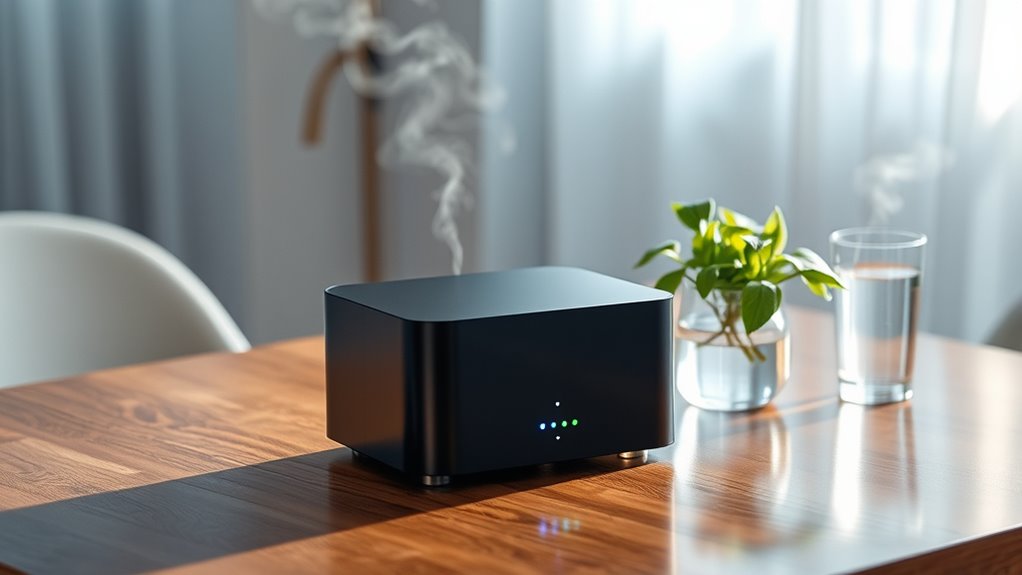
While you might have heard about ionizers, understanding how they work can enhance your appreciation for their benefits. Ionizers operate by generating electrical currents that transform air molecules. This process leads to ion production, where negatively charged ions are created. These ions attach themselves to airborne particles, like dust and allergens, effectively neutralizing them. As a result, the air you breathe becomes cleaner and fresher. The electrical currents also help disperse these ions throughout your living space, ensuring even distribution. By grasping this functionality, you can see how ionizers contribute to better air quality, reduce irritants, and create a healthier environment. Additionally, the use of smart appliances in conjunction with ionizers can further optimize air purification and overall indoor air quality. For instance, integrating your ionizer with smart thermostats can help maintain a consistent temperature that promotes better air circulation. Furthermore, many city dwellers benefit from implementing compact living solutions that maximize their space while ensuring air quality remains a priority. It’s essential to monitor filter indicators regularly to maintain optimal performance of your ionizer. Furthermore, maintaining a high contrast ratio in your viewing environment can enhance the visual experience, complementing the healthier air quality you achieve. With this knowledge, you’ll be more equipped to choose the right ionizer for your needs.
The Science of Ozone: What You Need to Know
Ozone plays a vital role in our atmosphere, and understanding how it forms can help you appreciate its effects on health. You’ll find that while ozone can protect us from harmful UV rays, it can also pose risks when present in high concentrations. Let’s explore the balance between its benefits and potential health impacts. Additionally, the development of energy-efficient cloud servers is crucial in minimizing environmental impact while managing ozone levels effectively. Utilizing proper filtration and pump protection can also help maintain air quality by reducing harmful emissions during industrial processes. Moreover, field recordings can capture authentic sounds of environmental changes that highlight the importance of maintaining a healthy atmosphere. Understanding color theory can also enhance our perception of air quality and its effects on well-being.
Ozone Formation Process
Understanding the ozone formation process is essential for grasping its role in both the atmosphere and indoor air quality. Ozone forms when ultraviolet light strikes oxygen molecules, causing them to split into individual atoms. These atoms can then collide with other oxygen molecules, creating ozone (O3). This process is part of the ozone lifecycle, which involves both formation and depletion. In the stratosphere, ozone plays a vital role in blocking harmful UV radiation, while at ground level, it can be a pollutant. You should be aware that factors like sunlight, temperature, and pollution levels can influence ozone formation. Additionally, bank SWIFT codes are crucial for ensuring secure transactions that can impact industries reliant on air quality technologies. Recognizing these dynamics helps you understand how ozone impacts your environment and health, especially in relation to ionizers and air purification. For instance, high-protein breakfast options can contribute to overall health, which may be influenced by air quality as well.
Health Effects of Ozone
How does ozone affect your health? Ozone can trigger a range of health issues, especially if you’re sensitive to it. Those with ozone sensitivity might experience respiratory problems, headaches, or throat irritation even at low levels. If you suffer from indoor allergies, ozone can exacerbate your symptoms by inflaming your airways. This is particularly concerning in spaces where ionizers are used, as they can produce ozone as a byproduct. Long-term exposure may lead to chronic respiratory conditions, so it is crucial to monitor your environment. Always check if your air purifiers comply with safety standards to minimize ozone production. Additionally, using products from companies with a strong reputation in customer service can help ensure you’re making informed choices. Furthermore, pickup owners should be aware that maintaining a clean truck bed can contribute to improved air quality while reducing harmful pollutants. Staying informed can help you maintain a healthier indoor atmosphere, reducing the risks associated with ozone exposure. Implementing eco-friendly practices in your home can further enhance air quality and reduce harmful pollutants.
How Ionizers Utilize Ozone for Air Purification
Ionizers create ozone through a specific generation process, which plays a vital role in purifying the air around you. This ozone interacts with airborne pollutants, breaking them down and improving your indoor air quality. However, it’s important to contemplate health implications, as excessive ozone exposure can have negative effects. Additionally, understanding timeless style guidance can enhance your approach to creating a healthier living environment that complements your overall aesthetic. Incorporating essential oils for respiratory health into your space can further support clean air and promote well-being. To maximize the benefits of ionizers, it is crucial to balance their use with proper ventilation techniques to avoid harmful ozone buildup. Furthermore, maintaining battery health tips can help ensure that your ionizer operates efficiently without contributing to indoor air quality issues. Caregivers should be aware that indoor air quality significantly impacts the health and well-being of seniors in their care.
Ozone Generation Process
While many people seek cleaner air, the ozone generation process in ionizers plays an essential role in achieving this goal. Understanding how this process works can enhance your awareness of ozone safety and its impact on air quality. Here are some key points about ozone generation:
- Ionizers produce ozone by using electrical discharges.
- Ozone molecules consist of three oxygen atoms, making them highly reactive.
- This reactivity helps break down pollutants and odors in the air, contributing to improved air quality.
- It’s indispensable to monitor ozone levels to guarantee safety.
- Overexposure to ozone can lead to respiratory issues.
- Regular seasonal maintenance of air purification systems can help mitigate ozone buildup and ensure optimal performance.
Air Purification Mechanism
When it comes to air purification, understanding how ionizers leverage ozone can considerably enhance your indoor air quality. These devices release ozone molecules into the air, which attach to pollutants, allergens, and odors. As ozone interacts with these particles, it effectively neutralizes them, breaking them down and improving overall air quality. This process plays a vital role in pollution control, especially in environments with high levels of airborne contaminants. By utilizing ozone, ionizers help to eliminate harmful substances, providing cleaner and fresher air for you and your family. It’s necessary to use them correctly to maximize their benefits while maintaining a safe environment. Ultimately, a well-functioning ionizer can transform your living space into a healthier haven. Furthermore, utilizing expert fashion insights can provide guidance on creating a harmonious indoor environment that complements your style. Additionally, understanding clean-home systems can further enhance your air quality management strategies.
Health Considerations Explained
Understanding the role of ozone in air purification also brings attention to health considerations associated with ionizers. While ionizers can improve air quality by reducing indoor allergens, they can also produce ozone, which may pose health risks. Here are some key points to keep in mind:
- Ozone can irritate your lungs and throat.
- High ozone levels may worsen asthma or other respiratory conditions.
- Ionizers should be used in well-ventilated areas to minimize risks.
- Regular maintenance of your ionizer can help control ozone production.
- Always monitor ozone levels in your space to guarantee safety.
Potential Health Risks Associated With Ozone Emissions
Ozone emissions from ionizers can pose significant health risks, especially if you’re regularly exposed to elevated levels. Indoor ozone can lead to various respiratory issues, including irritation of the throat, coughing, and exacerbation of asthma symptoms. You might not notice the effects immediately, but ozone toxicity can accumulate over time, increasing the risk of long-term health problems. Children, the elderly, and those with pre-existing conditions are particularly vulnerable to these risks. If you’re using an ionizer, it’s crucial to monitor the air quality in your home to guarantee it stays within safe limits. Being aware of the potential hazards associated with ozone emissions can help you make informed choices about your indoor air quality and overall health.
Regulations and Standards for Ozone Levels in Indoor Air
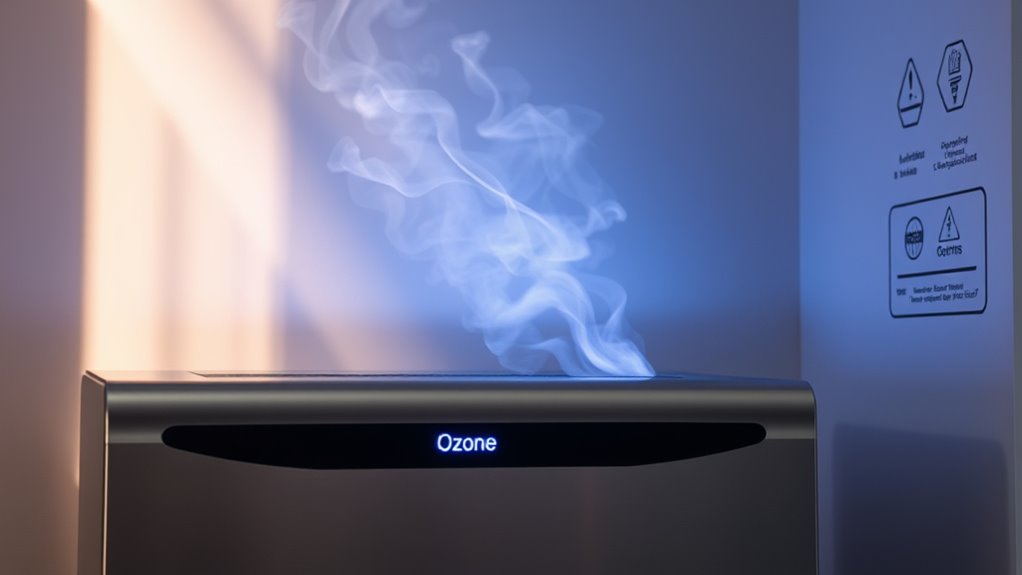
How do regulations guarantee safe indoor air quality regarding ozone levels? Federal regulations set strict safety standards to protect you from harmful ozone exposure in your home or workplace. These guidelines help ensure that air purifiers, including ionizers, don’t emit excessive ozone. Here are some key points to consider:
- The EPA monitors ozone levels in indoor air.
- Standards limit indoor ozone concentrations to safe levels.
- Manufacturers must comply with testing protocols.
- Consumers can check for compliance labels on products.
- Regular assessments help maintain air quality.
Comparing Ionizers With Other Air Purification Methods
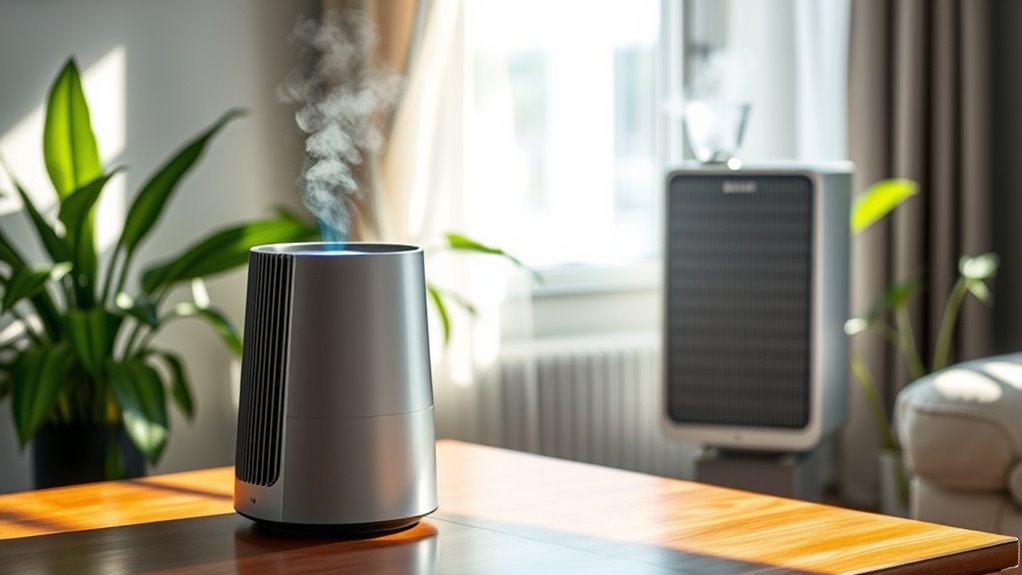
While regulations guarantee that ionizers operate within safe ozone levels, it’s important to compare them with other air purification methods to understand their effectiveness. Here’s a quick overview:
| Method | Effectiveness |
|---|---|
| Ionizers | Reduce airborne particles and odors, emit some ozone |
| HEPA Filters | Capture 99.97% of particles, including dust and allergens |
| UV Sterilization | Kills bacteria and viruses, effective for pathogens |
| Combination Systems | Use multiple methods for extensive air purification |
Each method has its strengths. HEPA filters excel in particle removal, while UV sterilization targets germs. By knowing their differences, you can choose the best option for your indoor air quality needs.
Making an Informed Decision: Is an Ionizer Right for You?
When considering an ionizer for your home, it’s essential to weigh its benefits against your specific air quality needs. Here are some key factors to help you make an informed decision:
- Cost Comparison: Evaluate the initial purchase price against long-term maintenance costs.
- Consumer Reviews: Look for feedback from users to gauge effectiveness and reliability.
- Ozone Emissions: Be aware of potential ozone output and its impact on health.
- Room Size: Choose an ionizer suitable for the size of your space for ideal performance.
- Allergy and Asthma Concerns: Consider how an ionizer may affect your symptoms.
Frequently Asked Questions
Can Ionizers Help With Allergies and Asthma Symptoms?
Yes, ionizers can help improve air quality, providing potential allergy relief for those suffering from asthma and allergies. They work by releasing charged particles that attach to airborne allergens, making them easier to capture. However, be cautious; some ionizers produce ozone, which can irritate your lungs. It’s essential to choose a model that minimizes ozone output while effectively cleaning the air, ensuring a healthier environment for you and your family.
How Often Should I Replace My Ionizer’s Filters?
Replacing your ionizer’s filters is like changing the oil in your car; it keeps everything running smoothly. You should check your filters every 3 to 6 months, depending on usage and air quality. Regular filter maintenance helps maintain peak performance, so don’t wait too long for a replacement. If you notice decreased efficiency or increased allergens, it’s time to replace them sooner. Keeping up with this frequency ensures fresh, clean air for you.
Do Ionizers Produce Any Noticeable Odors?
Yes, ionizers can produce noticeable odors, especially when they’re actively working to improve air quality. Some users report a slight metallic or fresh smell, often associated with the process of odor neutralization. This happens when the ionizer releases charged particles that work to eliminate pollutants in the air. If you detect a strong or unpleasant odor, it might be a sign to check the device or its filters for maintenance.
Can Pets Be Affected by Ionizer Emissions?
Think of your furry friend as a delicate flower in a garden. You want to protect them from harmful emissions, right? Ionizers can emit ozone, which might affect your pet’s health if they’re exposed for extended periods. While some pets adapt well, others may experience respiratory issues or discomfort. To guarantee pet safety, monitor their reactions and consider using ionizers in moderation, keeping your beloved companion’s well-being at the forefront of your mind.
What Is the Lifespan of an Ionizer Unit?
The lifespan of an ionizer unit typically ranges from 5 to 10 years, depending on its maintenance schedule and device durability. If you regularly clean and replace filters as needed, you’ll extend its life. Make certain to follow the manufacturer’s recommendations for upkeep. By taking good care of your ionizer, you not only enhance its performance but also ensure you get the most value out of your investment.
Conclusion
In the end, choosing an ionizer comes down to understanding its benefits and potential risks. As the saying goes, “you can’t have your cake and eat it too.” While ionizers can improve air quality by reducing pollutants, the ozone they produce may pose health concerns. Weigh your options carefully and consider your specific needs. By staying informed, you can make the right decision for your home and health, ensuring a cleaner environment without compromising safety.
Summer Picks
summer essentials
As an affiliate, we earn on qualifying purchases.