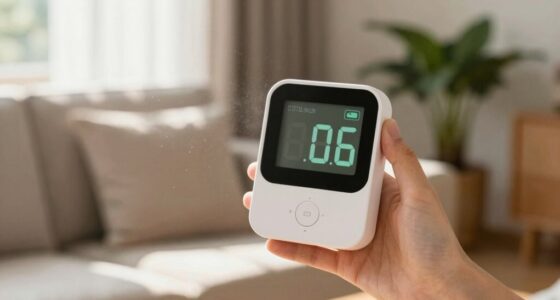
Clutter can secretly harm your indoor air quality by trapping dust, allergens, and mold in hidden spots. When you move around or open windows, these particles get stirred up and spread through your home. Over time, cluttered areas become hubs for pollutants that worsen allergies and respiratory issues. Keeping your space tidy improves airflow, reduces hidden allergens, and creates a healthier environment. To see how tackling clutter can truly transform your air quality, keep exploring this important connection.
Listen free for 30 days with Audible
Thousands of audiobooks and originals — cancel anytime.
As an affiliate, we earn on qualifying purchases.
Key Takeaways
- Clutter creates hidden spaces where dust, allergens, and mold can accumulate unnoticed.
- Disturbing clutter releases trapped airborne particles, worsening indoor air quality.
- Clutter hinders proper ventilation, trapping stale air and pollutants inside the environment.
- Managing clutter reduces dust retention and mold growth, improving overall air cleanliness.
- Combining clutter control with cleaning and air purifiers significantly enhances indoor air quality.
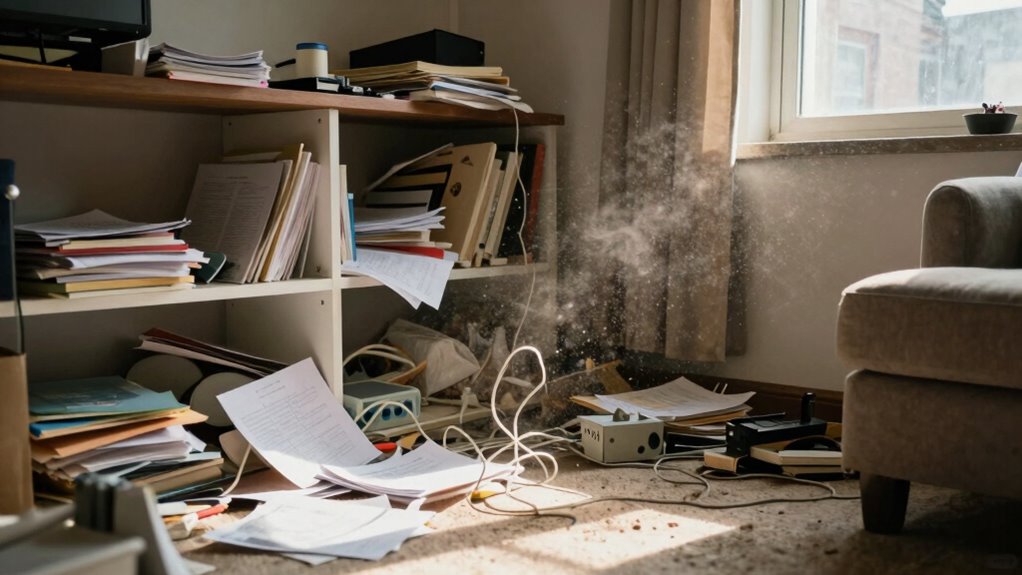
You might not realize it, but clutter in your home can substantially impact indoor air quality. When your space is cluttered, it creates hidden pockets where dust, allergens, and even mold can accumulate. These particles are easily stirred up whenever you move around, opening windows, or even just walking through your space. Over time, this buildup can lead to poorer air quality, which may cause respiratory issues, allergies, or aggravate existing health conditions. Clutter management becomes more than just an aesthetic concern; it’s an essential step toward maintaining a healthier indoor environment.
Clutter acts like a trap for airborne pollutants. When you leave clothes, papers, or other belongings strewn about, they collect dust and other debris. These items often harbor dust mites, pet dander, and mold spores, all of which are common triggers for allergy and asthma symptoms. As you go about daily activities, these particles are disturbed and become airborne, making it easier to breathe in contaminated air. The more clutter you have, the more surface area there is for these pollutants to settle and accumulate, which complicates efforts to improve your indoor air quality. Additionally, clutter can hinder proper ventilation, trapping stale air inside. Dust retention can be significantly increased in cluttered spaces, further compromising air quality. Regularly decluttering can also promote better air circulation, helping to keep indoor air fresher and reducing the buildup of these pollutants. Keeping clutter under control also reduces the likelihood of hidden mold, which can develop unnoticed in tight spaces and further degrade air quality.
Clutter traps dust, pet dander, and mold spores, worsening indoor air quality and triggering allergies and asthma.
Effective clutter management plays a key role in reducing airborne pollutants. By organizing your belongings and creating designated storage spaces, you eliminate many of the hiding spots for dust and allergens. Regularly cleaning and dusting surfaces, especially those hidden beneath piles of clutter, helps remove trapped particles before they get stirred into the air. Using air purifiers equipped with HEPA filters can further trap airborne particles, but they work best when combined with ongoing clutter management. Clearing clutter not only improves the visual appeal of your home but also significantly reduces the sources of indoor pollutants. Proper clutter control can make a noticeable difference in indoor air quality and overall health.
HEPA air purifier for dust and allergens
As an affiliate, we earn on qualifying purchases.
As an affiliate, we earn on qualifying purchases.
Frequently Asked Questions
How Does Clutter Affect Air Quality Over Time?
Clutter worsens air quality over time by trapping airborne dust and mold spores. As dust settles into cluttered spaces, it becomes easier for these particles to become airborne again, especially when disturbed. Mold growth thrives in hidden, damp clutter, releasing spores into the air. This buildup can cause allergies and respiratory issues, making it essential to declutter regularly to maintain healthier indoor air quality.
Can Decluttering Improve Allergy Symptoms?
Yes, decluttering can improve your allergy symptoms. When you reduce clutter, you enhance air circulation, which helps disperse allergens and prevents dust accumulation. Less clutter means fewer hiding spots for dust mites, mold, and pet dander, all common allergens. Improved air flow also means allergens are less likely to settle and build up, creating a cleaner environment that can considerably ease allergy symptoms over time.
What Specific Pollutants Are Trapped by Clutter?
Clutter acts like a silent trap for tiny airborne invaders, quietly gathering dust mites and mold spores in every nook. These pollutants cling to fabric, paper, and piled objects, creating a haven for allergens. When you clear clutter, you’re not just tidying your space — you’re releasing trapped dust mites and mold spores, reducing their presence in the air. This breathes new life into your environment, helping you breathe easier and feel more comfortable.
How Quickly Does Clutter Impact Indoor Air?
Clutter can impact indoor air almost immediately by disrupting air circulation and trapping dust. When you leave items piled up, air struggles to flow freely, causing dust accumulation in hidden corners. This buildup can lead to increased allergens and pollutants in your space within days. To improve air quality quickly, declutter regularly, guarantee good ventilation, and clean dust from surfaces. Your efforts will help create a healthier indoor environment faster.
Are Certain Types of Clutter More Harmful Than Others?
Imagine clutter as a shadow cast over your space—some shapes darker than others. Certain types, like fabric piles or paper stacks, harbor more hidden pollutants, making them more harmful. Clutter accumulation in these areas traps dust, mold, and chemicals, worsening indoor air quality. You should prioritize clearing sensitive zones, as these clutter types release more pollutants over time, directly impacting your health and breathing comfort.
As an affiliate, we earn on qualifying purchases.
Conclusion
So, next time you see clutter piling up, ask yourself: is it just a mess, or could it be quietly affecting your indoor air quality? Clearing your space isn’t just about tidiness; it’s about breathing easier and living healthier. Don’t overlook the connection—taking action now can make a real difference in your environment and well-being. Are you ready to declutter and improve your indoor air today?
As an affiliate, we earn on qualifying purchases.
dusting and cleaning tools for hidden spots
As an affiliate, we earn on qualifying purchases.
As an affiliate, we earn on qualifying purchases.
NFL season / tailgating Picks
team gear
As an affiliate, we earn on qualifying purchases.