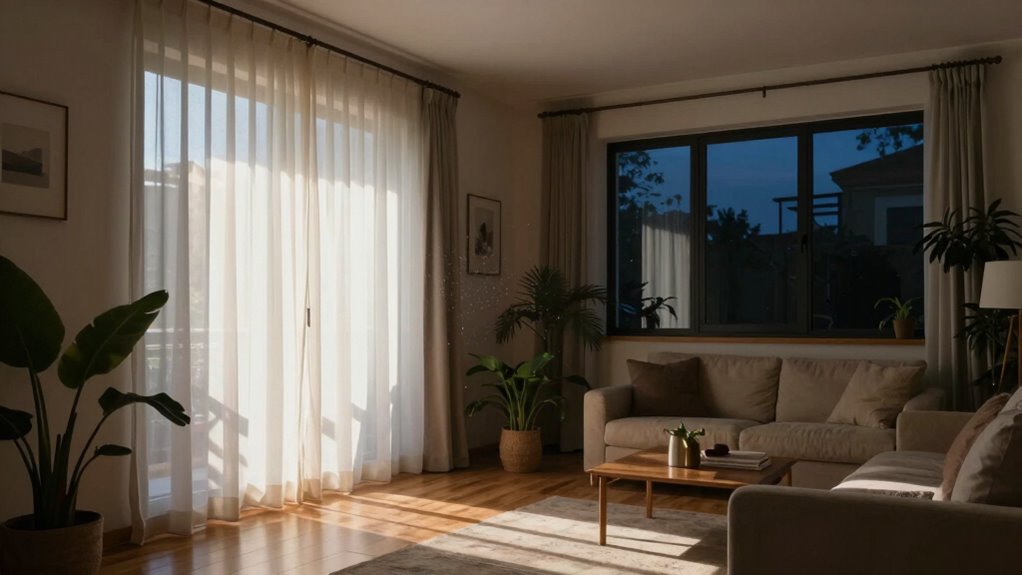
From morning to midnight, your indoor air quality changes as activity levels and ventilation vary. In the morning, fresh air enters through windows, clearing out overnight buildup, but if ventilation is poor, pollutants can linger. During the day, activities like cooking and electronics increase indoor pollutants, often making the air feel stuffy. In the evening, air stabilizes if ventilation is maintained, but overnight buildup can occur without proper exchange. Keep exploring to understand how to optimize your indoor air quality around the clock.

Get health and wellness essentials delivered free — and shop member deals
- Fast, free delivery on millions of items
- Access to Prime Big Deal Days deals on October 6–7
- Prime Video, Amazon Music and more included
Key Takeaways
- Morning air quality improves with natural ventilation, but poor systems can lead to stale, pollutant-laden air.
- Indoor pollutants increase during daytime activities like cooking and electronics use, reducing air quality midday.
- Without proper ventilation, pollutants and humidity tend to accumulate, causing lower air quality in the afternoon.
- Evening ventilation practices, such as opening windows, help refresh indoor air, leading to better nighttime conditions.
- Midnight air is optimal if ventilation is maintained, but inadequate systems can cause pollutant buildup overnight.
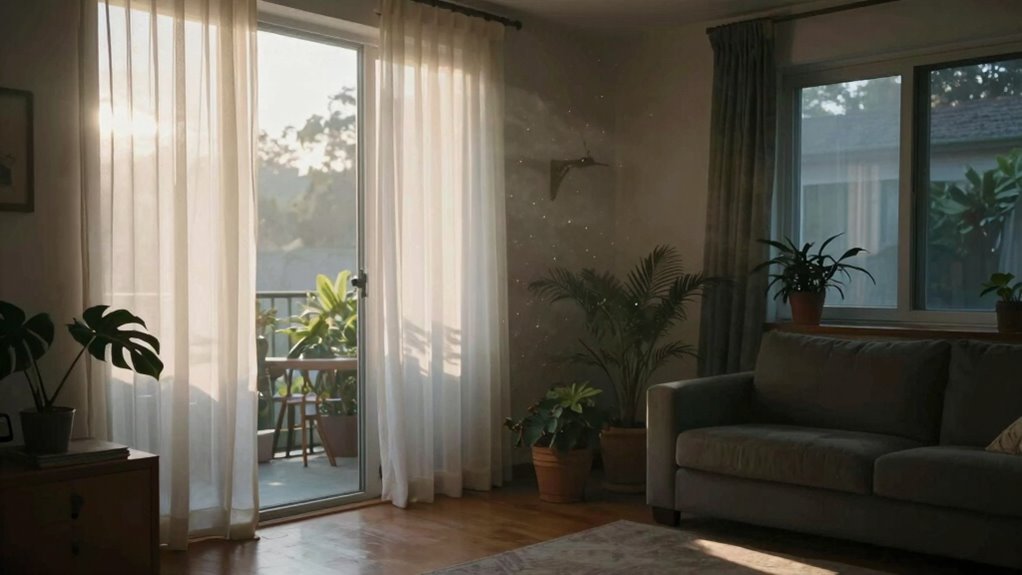
Have you ever wondered how indoor air quality shifts throughout the day? It’s a question worth asking because the air you breathe inside your home or office isn’t static; it constantly changes based on your activities, the time of day, and the ventilation systems in place. In the morning, as you start your day, fresh air often enters your space through windows and ventilation systems, which helps clear out any stale, accumulated air from the night. If your ventilation systems are modern and well-maintained, they actively work to bring in clean air and exhaust indoor pollutants, setting the stage for better air quality. However, if your ventilation is poor or outdated, indoor air can quickly become stuffy and laden with dust, allergens, or other pollutants that build up overnight.
As the day progresses, your indoor air quality is influenced heavily by your activity levels. Morning activities like cooking, showering, or even just turning on lights and electronics introduce additional pollutants into the environment. If your ventilation systems aren’t robust enough to handle these changes, you might notice a decline in air quality as the day advances. The continuous presence of people, pets, and household appliances can raise levels of carbon dioxide, humidity, and other indoor pollutants, making the air feel stale or heavy. During peak hours, the air quality can fluctuate markedly, especially if windows remain closed or if the ventilation isn’t effectively removing these pollutants.
By midday and into the afternoon, indoor air quality often reaches its lowest point if ventilation isn’t properly managed. Without fresh air exchange, pollutants linger longer, and humidity levels may increase, creating an environment conducive to mold growth or respiratory discomfort. This is precisely when good ventilation systems come into play; they can actively help regulate humidity, remove pollutants, and introduce fresh air, maintaining healthier indoor conditions. Additionally, consistent use of air filtration can further reduce the presence of airborne contaminants, significantly improving indoor air quality. Proper air exchange rates are essential to ensure that stale air doesn’t remain trapped inside, especially during periods of high activity. When ventilation is optimized, it can also help control indoor temperature fluctuations, contributing to overall comfort.
As evening approaches and activity levels decrease, indoor air begins to stabilize again. Windows might be opened to let in cooler, fresher air, or your ventilation systems might switch to a mode that exhausts indoor air while bringing in filtered outdoor air. By the time midnight rolls around, indoor air quality is often at its best if these systems are functioning correctly, as pollutants have been cleared out and fresh air has replaced stale indoor air. Still, if ventilation is inadequate or if the space remains sealed for long periods, indoor pollutants can accumulate overnight, leading to poorer air quality when morning comes. Overall, understanding how your indoor environment changes from morning to midnight underscores the importance of effective ventilation systems to maintain consistently healthy air. Proper maintenance and ventilation design play a crucial role in ensuring your indoor environment remains safe and comfortable throughout the day.
air purifier for indoor air quality
As an affiliate, we earn on qualifying purchases.
As an affiliate, we earn on qualifying purchases.
Frequently Asked Questions
How Does Indoor Humidity Fluctuate Throughout the Day?
Your indoor humidity fluctuates throughout the day, typically dipping in the morning and rising in the evening. In the morning, cooler air causes indoor condensation, lowering humidity levels. As the day heats up, humidity increases, especially with activities like cooking or showering. To manage this, humidity control tools like dehumidifiers help maintain comfort and prevent mold. Staying aware of these changes guarantees a healthier indoor environment.
What Specific Pollutants Increase Overnight?
You might worry about indoor air quality, especially at night. Pollutant sources like dust, pet dander, and mold spores increase overnight, while nocturnal emissions release carbon dioxide and bacteria into the air. These factors can cause allergies or respiratory issues, making you feel uncomfortable. To protect yourself, guarantee proper ventilation and air purification, so your indoor environment stays healthier and more comfortable throughout the night.
Do Air Purifiers Affect Indoor Air Changes?
Air purifiers greatly affect indoor air changes by improving air quality through advanced air purifier technology and high filtration efficiency. As you run an air purifier, it actively removes pollutants like dust, allergens, and VOCs, ensuring cleaner air throughout the day. This continuous filtration helps stabilize indoor air quality, especially overnight when pollutants tend to accumulate, making your environment healthier and more comfortable.
How Does Outdoor Air Quality Influence Indoor Air at Night?
As night falls, outdoor pollution seeps like an unwelcome tide into your home through open windows or inadequate ventilation strategies. You notice the air thickening, carrying pollutants that dance around your space. The quality of outdoor air directly influences your indoor environment, making it essential to seal gaps and use filtration to keep the harmful whispers at bay. Effective ventilation strategies help you breathe easier, even when the outside world isn’t so kind.
Can Indoor Plants Improve Air Quality at Midnight?
Indoor plants can improve air quality at midnight by effectively reducing nocturnal pollutants like carbon dioxide and volatile organic compounds. Their plant efficacy depends on the type and care, but many plants continue to purify air even in darkness through processes like absorption and passive filtration. Keep in mind, though, that while plants help, they shouldn’t be your sole solution for maintaining healthy indoor air, especially during nighttime.
As an affiliate, we earn on qualifying purchases.
Conclusion
As night falls and the world slows down, your indoor air gently shifts, whispering stories of the day gone by. Though it may seem calm, subtle changes continue beneath the surface, quietly nurturing or challenging your space. Embrace these quiet evolutions, knowing they weave a delicate balance that supports your comfort and well-being. In this gentle dance of air, you find a subtle reminder that even in stillness, life’s quiet currents persist, guiding you into restful nights.
air quality monitor for indoor use
As an affiliate, we earn on qualifying purchases.
As an affiliate, we earn on qualifying purchases.
As an affiliate, we earn on qualifying purchases.
Fall Picks
fall essentials
As an affiliate, we earn on qualifying purchases.