To spot an indoor air problem quickly, watch for unusual odors, changes in airflow, and visible dust. Keep an eye on humidity levels and inspect your HVAC system for signs of clogging or mold. Listen for any strange noises from your vents or appliances that could indicate issues. Regular checks can help prevent bigger problems down the line. Keep going to learn more about maintaining a healthy indoor air environment.
Listen free for 30 days with Audible
Thousands of audiobooks and originals — cancel anytime.
As an affiliate, we earn on qualifying purchases.
Key Takeaways
- Monitor airflow from vents; diminished airflow often indicates potential indoor air quality issues.
- Pay attention to unusual or persistent odors, which can signal air contamination or ventilation problems.
- Observe temperature inconsistencies, as they may point to disruptions in the ventilation system.
- Check for increased allergy symptoms, as fluctuations can reflect changes in indoor air quality.
- Inspect for mold or mildew in damp areas, as their presence often indicates poor air quality.
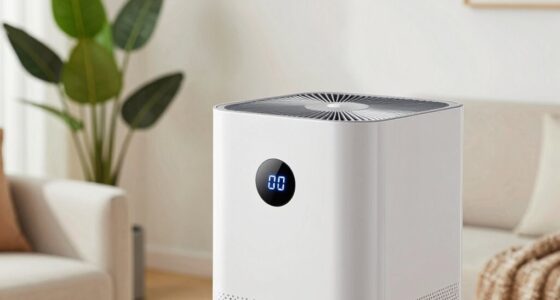
air quality monitor with odor detection
As an affiliate, we earn on qualifying purchases.
As an affiliate, we earn on qualifying purchases.
Recognizing Unusual Odors

Have you ever walked into a room and noticed an odd smell lingering in the air? That unusual odor might signal an indoor air problem. You might be dealing with outdoor odor infiltration, where smells from outside seep into your living space. This can happen through open windows, doors, or even tiny cracks in your walls. To combat this, air purifier effectiveness is essential. A reliable air purifier can filter out those unwanted odors, improving your indoor air quality. It’s vital to choose a model designed to tackle specific smells, ensuring it works efficiently. Additionally, consider using wellness technology such as smart air quality monitors to help detect and manage air quality issues in your home. Furthermore, maintaining good ventilation practices can also assist in reducing stale air and enhancing freshness. Moreover, understanding the types of air purifiers available can help you make an informed decision on which one best suits your needs. Incorporating natural filtration systems can also enhance your overall air quality by reducing pollutants. Creating a home with timeless design principles can also contribute to a healthier indoor environment. If you notice persistent odors despite using an air purifier, it might be time to investigate the sources and take action for a fresher, healthier environment.
As an affiliate, we earn on qualifying purchases.
Monitoring Humidity Levels

Monitoring humidity levels in your home is vital for maintaining a healthy indoor environment. By measuring these levels, you can guarantee they stay within the ideal range, preventing issues like mold growth and discomfort. Additionally, maintaining a stable indoor environment can also help ensure that your whole-home backup power system functions properly during outages. Regularly using smart appliances that monitor and adjust humidity can enhance your home’s air quality. Implementing easy homemade flautas as a family cooking activity can also promote a sense of community while enjoying delicious meals. Let’s explore how you can effectively control humidity and why it matters. Furthermore, using bike generators can provide sustainable energy solutions while also promoting physical activity. Regularly checking your humidity can also protect sensitive equipment, such as deep-sky imaging gear, which can be affected by excess moisture.
Importance of Humidity Control
Although many people overlook it, maintaining ideal humidity levels is crucial for a healthy indoor environment. Proper humidity control can prevent mold growth, reduce allergens, and improve overall air quality. You’ll want to make certain your humidifier maintenance is up to date, as a well-maintained humidifier can effectively add moisture to dry air, especially in winter months. Conversely, a dehumidifier is indispensable in humid conditions, as its efficiency helps remove excess moisture, keeping your space comfortable and preventing damage to your home. By monitoring and adjusting humidity levels, you create a balanced atmosphere that promotes well-being. Additionally, maintaining optimal humidity can support respiratory system health, as dry air may exacerbate breathing issues. Furthermore, humidity control is essential for sauna builds, as excessive moisture can lead to structural damage and affect the overall experience. Don’t underestimate the power of humidity control—it’s a key component in maintaining a safe and healthy indoor environment.
Measuring Humidity Levels
To maintain a healthy indoor environment, knowing how to measure humidity levels is essential. You can use a hygrometer, a simple tool that provides accurate readings of the moisture in the air. Regularly checking humidity helps you identify any imbalances that could affect your comfort and health. During HVAC maintenance, ensure your system is calibrated to maintain ideal humidity. This not only enhances air quality but also maximizes indoor plant benefits, promoting healthier growth and reducing allergens. By keeping tabs on humidity levels, you can prevent problems like mold and dust mites, ensuring a more pleasant living space. Additionally, maintaining proper humidity levels can help prevent skin damage associated with dry air. Furthermore, age-proof living spaces can greatly benefit from consistent humidity management, as it supports overall comfort for residents. Ensuring that humidity levels are within the recommended range helps to prevent mold growth, which can lead to serious health issues. Creating organized spaces can also contribute to better air circulation, enhancing the overall indoor environment. Moreover, utilizing smart home technology to monitor air quality can provide real-time insights and alerts. So, invest in a hygrometer and make it a habit to monitor those levels regularly.
Ideal Indoor Humidity Range
When you aim for a comfortable indoor environment, keeping humidity levels within the ideal range of 30% to 50% is essential. This balance prevents issues like mold growth and improves overall air quality. To monitor humidity effectively, consider using a reliable humidity sensor. Make sure you regularly check its calibration to ensure accurate readings. If your indoor humidity exceeds 50%, a dehumidifier can help restore balance, but its efficiency depends on how well it’s maintained. Regularly clean the unit and check for any mechanical issues to maximize its performance. By staying proactive with humidity levels, you’ll create a healthier living space that’s more comfortable for you and your family. Additionally, whole-house water filtration systems can significantly improve air quality by reducing moisture levels from water sources in the home. Implementing robotic home solutions can further enhance your indoor environment by automating cleaning tasks and reducing allergens. Regular maintenance of your vehicle’s air filtration system is essential for ensuring optimal performance and enhancing indoor air quality. Furthermore, maintaining a proper contrast ratio in your home cinema setup can enhance the visual experience, making it more enjoyable for family movie nights. Monitoring indoor humidity is particularly crucial for preventing mold growth, which can have serious health implications.
As an affiliate, we earn on qualifying purchases.
Identifying Visible Dust and Allergens

How can you tell if your indoor environment is harboring dust and allergens? Start by checking for visible dust on surfaces like shelves, furniture, and electronics. If you notice a layer of dust accumulating, it’s a sign your space needs attention. Allergens can also hide in carpets and upholstery, so keep an eye out for sneezing or itchy eyes when you’re indoors. Effective air purifier placement can help reduce dust and allergens in your home. Consider positioning it in high-traffic areas for maximum impact. Additionally, indoor plant benefits can’t be overlooked; certain plants naturally filter the air and can absorb pollutants. Plant-based ice cream options are also an interesting trend that can improve indoor air quality by increasing humidity levels, which may help in reducing dust circulation. Combining these strategies will create a healthier indoor environment for you and your family.
As an affiliate, we earn on qualifying purchases.
Checking for Mold and Mildew

While you’re cleaning your home, don’t forget to check for mold and mildew, as these can pose significant health risks. Start your mold detection efforts in damp areas like bathrooms and basements, where these fungi often thrive. Look for dark spots or a musty smell, which are clear signs of growth. If you spot any, it’s essential to act quickly. For effective mildew prevention, guarantee proper ventilation in these spaces, and consider using dehumidifiers to keep humidity levels low. Regularly inspect areas prone to moisture, such as around windows and plumbing. By staying vigilant and addressing any mold or mildew issues promptly, you can maintain a healthier indoor environment for you and your family.
Observing Changes in Airflow

You might notice diminished air volume in your space or pick up on unusual odors that weren’t there before. These changes can signal underlying airflow issues that need your attention. Additionally, keep an eye out for temperature inconsistencies, as they can indicate problems with your ventilation system.
Diminished Air Volume
As air quality deteriorates indoors, observing changes in airflow becomes essential for identifying potential problems. Diminished air volume can lead to increased indoor pollutants and discomfort. Here are three signs to watch for:
- Weak airflow from vents – If you notice less air coming from your HVAC system, it’s time to investigate.
- Stale odors – A lack of airflow can cause odors to linger, indicating poor air circulation.
- Indoor plants struggling – If your plants aren’t thriving, it might mean they’re not getting enough fresh air.
Consider using air purification systems and strategically placing indoor plants to improve air volume and quality. Addressing these issues early can help maintain a healthier indoor environment.
Unusual Odors Present
Have you noticed any unusual odors lingering in your home? These scents can be more than just annoying; they often signal an indoor air problem. If air freshener scents seem to mask persistent odors instead of eliminating them, it’s time to investigate further. Pay attention to pet odor indicators, which might suggest inadequate ventilation or moisture issues. If your home’s airflow is disrupted, odors can become trapped, leading to an unhealthy environment. It’s essential to identify the source of these unusual smells, as they could indicate mold, mildew, or other contaminants. Addressing these odors promptly not only improves your home’s air quality but also enhances your overall comfort and well-being. Don’t ignore the signs—act quickly!
Temperature Inconsistencies Noted
While noticing temperature inconsistencies in your home, it’s essential to take into account how airflow might be affecting your comfort. Poor airflow can lead to uneven temperatures, which may signal underlying issues. Here are three things to consider:
- Check vents and registers: Ensure they’re not blocked or dirty, as this impacts ventilation efficiency.
- Inspect ductwork: Leaks or blockages can disrupt proper airflow, causing hot or cold spots in your home.
- Conduct air quality testing: This can reveal how well your current ventilation system is working and if it’s contributing to temperature inconsistencies.
Addressing these factors can greatly enhance your indoor environment and comfort level. Remember, effective airflow is essential for maintaining a healthy home atmosphere.
Noticing Increased Allergy Symptoms

If you’ve noticed an uptick in allergy symptoms, you’re not alone; many people experience this issue, especially when spending time indoors. Poor indoor air quality can trigger allergies, making it essential to identify the source. You might consider the air purifier effectiveness in reducing allergens like dust and pet dander. Investing in a good air purifier can considerably improve your indoor environment. Additionally, incorporating indoor plants can provide benefits; they naturally filter the air and increase humidity, which can alleviate dryness that aggravates allergies. Keep an eye on how your symptoms fluctuate with changes in your indoor space. By addressing air quality, you can create a more comfortable living environment and potentially reduce those pesky allergy symptoms.
Evaluating Ventilation Systems

To maintain healthy indoor air quality, evaluating your ventilation systems is essential. Poor ventilation can lead to increased allergens and pollutants, compromising your home’s air purification efforts. Here are three key aspects to consider:
- Airflow Rates: Check if your system delivers adequate airflow to all areas. Restricted airflow can hurt ventilation efficiency.
- Duct Integrity: Inspect your ducts for leaks or blockages. Damaged ducts reduce efficiency and can introduce pollutants into your space.
- System Maintenance: Regularly service your ventilation system to ensure it’s functioning at its best. A well-maintained system enhances air purification and keeps indoor air fresh.
Inspecting HVAC Filters

Inspecting your HVAC filters is vital for maintaining good air quality in your home. You need to contemplate how often you should replace them, the different types available, and the signs that indicate they’re clogged. By staying on top of this, you can guarantee your system runs efficiently and your indoor air stays clean.
Filter Replacement Frequency
Regularly checking your HVAC filters is essential for maintaining indoor air quality and system efficiency. A clogged filter can reduce air purifier effectiveness and make your system work harder. Here’s how often you should replace your filters:
- Every 1-3 months for standard fiberglass filters.
- Every 6 months for pleated filters.
- Once a year for HEPA filters.
In addition to replacing your filters, don’t forget to schedule a ductwork inspection. This helps identify any hidden issues that could further compromise your air quality. Staying on top of filter replacement not only improves airflow but also enhances the performance of your HVAC system, ensuring you breathe cleaner air in your home.
Filter Types Comparison
After understanding how often to replace your HVAC filters, it’s important to contemplate the different types available. Each filter type has unique features affecting air purification and filter lifespan.
| Filter Type | Air Purification Efficiency | Average Lifespan |
|---|---|---|
| Fiberglass | Low | 1-3 months |
| Pleated | Medium | 3-6 months |
| HEPA | High | 6-12 months |
| Electrostatic | High | 6-12 months |
| Activated Carbon | Medium to High | 3-6 months |
Choosing the right filter can enhance your indoor air quality considerably. Keep in mind your home’s specific needs and the filter’s lifespan for ideal performance.
Signs of Clogging
While keeping your HVAC system running efficiently, you should watch for signs of clogging in your filters. Clogged filters can markedly affect air purifier effectiveness and overall ventilation system maintenance. Here are three key signs to look for:
- Reduced Airflow: If you notice weak airflow from your vents, it might be time to check your filters.
- Visible Dust and Dirt: Accumulation of dust on your filters indicates they need cleaning or replacement.
- Unpleasant Odors: Musty or stale smells can signal that your filters are clogged and need attention.
Listening for Unusual Noises

When you’re inside your home, paying attention to unusual noises can be crucial for identifying potential indoor air problems. Start by practicing noise detection; listen for any irregular sounds that might indicate issues with your HVAC system or ventilation. For instance, a hissing noise might suggest a refrigerant leak, while rattling sounds could point to loose components. Pay close attention to changes in sound patterns—if a normally quiet system suddenly becomes loud, it’s a red flag. These sounds can provide clues about airflow problems or even mold growth behind walls. Trust your instincts; if something doesn’t sound right, it’s worth investigating further. Taking action early can help maintain a healthier indoor environment for you and your family.
Using Air Quality Monitors

Using air quality monitors is a proactive way to guarantee your home environment stays healthy. By tracking various pollutants, you can make informed decisions to improve air quality. Here are three benefits of using these monitors:
- Measure Air Purifier Effectiveness: You’ll see how well your air purifier is working and if adjustments are necessary.
- Identify Indoor Plant Benefits: Monitors can help you determine the best plants for improving air quality, enhancing both aesthetics and health.
- Real-Time Alerts: Get notified of sudden changes in air quality, allowing you to take immediate action.
Frequently Asked Questions
How Often Should I Check My Indoor Air Quality?
You should check your indoor air quality at least once a season. Regular HVAC maintenance is essential to keep your system running efficiently and to prevent issues that affect air quality. Additionally, schedule a mold inspection every year or if you notice dampness or musty odors. Taking these steps helps you maintain a healthy environment and guarantees you’re addressing any potential air quality problems before they become serious.
What Are Common Sources of Indoor Air Pollution?
Common sources of indoor air pollution include dust, pet dander, volatile organic compounds (VOCs) from paints and cleaners, and mold. You can mitigate these issues through regular HVAC maintenance, which helps keep your air clean and systems functioning efficiently. Additionally, practicing mold prevention by controlling humidity and ensuring proper ventilation will markedly improve your indoor air quality. Stay proactive, and you’ll create a healthier environment for yourself and your loved ones.
Can Indoor Plants Improve Air Quality?
Indoor plants can work wonders in improving air quality—it’s like having your own mini air purification factory! With their amazing plant benefits, they absorb toxins and release fresh oxygen, transforming your space into a gust of fresh air. Picture lush greenery not just beautifying your home but also battling indoor pollutants. So, go ahead and fill your space with vibrant plants; your lungs will thank you for this leafy upgrade!
How Does Outdoor Air Quality Affect Indoor Air?
Outdoor air quality considerably affects indoor air because of air exchange rates. When windows or doors open, outdoor pollution can flow inside, impacting your home’s air quality. High levels of outdoor pollutants, like smog or allergens, can reduce your indoor comfort and health. Even with closed windows, air can still seep in through cracks, so it’s important to monitor outdoor conditions. Keeping an eye on this helps you maintain a healthier indoor environment.
Are Air Purifiers Effective for All Pollutants?
Imagine walking into a room, breathing in fresh air—but wait! Not all air purifiers tackle every pollutant. While they excel at removing dust and allergens, they’ve got limitations. For instance, they struggle with gases like volatile organic compounds and some odors. You’ll need to choose a model designed for specific pollutant removal, ensuring you’re truly enhancing your indoor air quality. So, don’t just grab any purifier; research its capabilities first!
Conclusion
By staying proactive and attentive to your indoor air quality, you can spot potential problems before they escalate. It’s easy to think that if you can’t see an issue, there isn’t one. But even invisible pollutants can affect your health. Regularly checking for odors, humidity, and allergens can help you breathe easier. Don’t wait for symptoms to appear—taking these steps guarantees a healthier environment for you and your loved ones. Your lungs will thank you!
NFL season / tailgating Picks
team gear
As an affiliate, we earn on qualifying purchases.