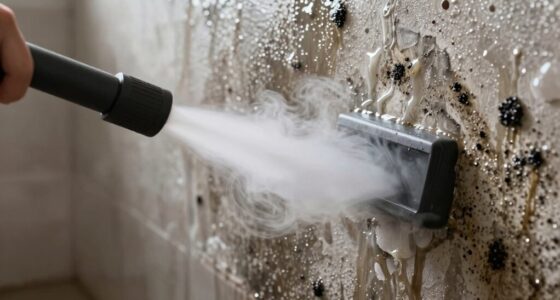
To prevent slime in your dehumidifier bucket, you should clean and disinfect it regularly, using a mixture of vinegar and water or a manufacturer-recommended cleaner. Keep the surrounding area dry and well-ventilated to reduce excess humidity. Check and maintain filters, coils, and drainage systems often to prevent water stagnation. Using distilled water and ensuring proper drainage also help. Maintaining these habits consistently can keep your unit slime-free—continue exploring these tips to stay ahead of buildup.

Get health and wellness essentials delivered free — and shop member deals
- Fast, free delivery on millions of items
- Access to Prime Big Deal Days deals on October 6–7
- Prime Video, Amazon Music and more included
Key Takeaways
- Regularly clean and dry the bucket, using vinegar-water solution for natural disinfection.
- Keep the surrounding area dry, well-ventilated, and avoid excessive humidity.
- Check and clean filters, coils, and drainage components every few weeks.
- Use distilled or filtered water to reduce mineral deposits that foster slime growth.
- Add periodic disinfectants and maintain a consistent cleaning schedule to prevent slime buildup.
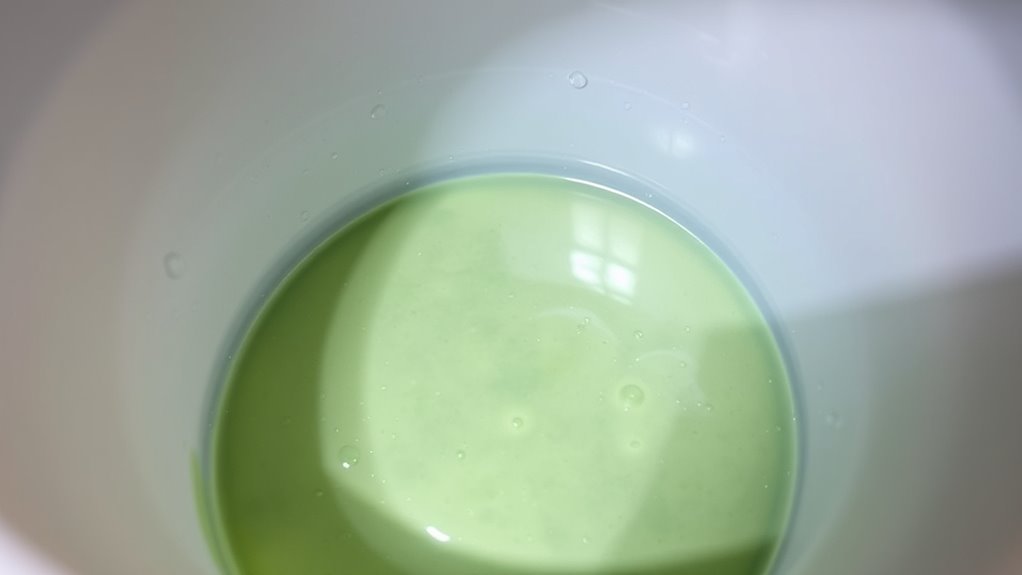
If you’ve ever noticed a slimy, mold-like substance in your dehumidifier bucket, you’re not alone. It’s a common issue many people face, and it’s usually caused by mold, algae, or bacteria thriving in the damp environment. Left unchecked, this slime can not only make your unit smell bad but also potentially spread germs or cause clogs. The good news is that you can prevent this buildup by taking simple, consistent steps. First, make sure you empty and clean your bucket regularly. Don’t let water sit for days; mold and bacteria flourish in stagnant moisture. When you empty the bucket, rinse it thoroughly with soap and water, and consider using a mixture of half vinegar and half water to disinfect. Vinegar is natural and effective at killing mold spores and bacteria without harsh chemicals. After cleaning, dry the bucket completely before reinserting it into the dehumidifier, as moisture lingering on surfaces encourages slimy growth. Regular maintenance and proper cleaning techniques are essential to keep your dehumidifier free from slime.
Regularly clean and dry your dehumidifier bucket to prevent mold and slime buildup.
Another effective way to prevent slime is to keep the environment around your dehumidifier dry and well-ventilated. Mold and bacteria thrive in humid conditions, so using your unit in a space with good airflow reduces the chances of buildup. If you notice excessive humidity, consider running a fan or opening windows to help air circulate. Additionally, check your dehumidifier’s filters and coils regularly. Dirty filters can trap moisture and debris, creating an ideal environment for slime to develop. Clean these components as recommended by the manufacturer, typically every few weeks, to maintain sufficient airflow and reduce moisture retention.
Using distilled or filtered water instead of tap water can also make a difference. Tap water often contains minerals and impurities that can promote mold growth. If your unit allows, switch to purified water, especially if you notice frequent slime issues. Keep an eye on your dehumidifier’s drainage system as well. If your unit has a drainage hose or pump, ensure it’s clear and functioning properly. Clogs or leaks can cause water to stagnate in unintended places, providing a breeding ground for slime.
Finally, consider adding a small amount of bleach or commercial disinfectant to the water in your bucket periodically, but only in moderation and following the manufacturer’s instructions. This helps keep the environment inhospitable for mold and bacteria. By maintaining a clean, dry, and well-ventilated space and following these simple habits, you greatly reduce the chances of slime forming in your dehumidifier bucket. Consistency is key—regular cleaning and proper maintenance will keep your unit running smoothly and free from slimy buildup.
dehumidifier bucket cleaning kit
As an affiliate, we earn on qualifying purchases.
As an affiliate, we earn on qualifying purchases.
Frequently Asked Questions
Can Dehumidifier Bucket Slime Cause Health Issues?
Yes, dehumidifier bucket slime can cause health issues. The slimy buildup often contains mold, bacteria, and fungi, which can trigger allergic reactions, respiratory problems, or infections if you’re exposed to it regularly. To protect yourself, empty and clean the bucket frequently, and keep the area well-ventilated. Regular maintenance helps prevent the growth of harmful microorganisms, reducing health risks associated with slime buildup.
What Are Natural Remedies to Prevent Slime Buildup?
You can prevent slime buildup naturally by regularly cleaning your dehumidifier bucket with vinegar or a mild bleach solution, which kills bacteria and mold. Keep the area dry and guarantee proper airflow around the unit. Using distilled water reduces mineral deposits that foster slime. Additionally, adding a few drops of tea tree oil or essential oils to the water can help inhibit microbial growth, keeping your dehumidifier cleaner longer.
How Often Should I Clean My Dehumidifier Bucket?
Imagine your dehumidifier’s bucket as a tiny, damp pond that needs regular tending. You should clean it once a week to keep slime and mold at bay. Empty the water, scrub away any residue, and dry it thoroughly before reinserting. This routine prevents slime buildup, keeps your device running efficiently, and guarantees your air stays fresh and healthy. Regular maintenance is your best defense against sticky, slimy surprises.
Are Certain Dehumidifier Models More Prone to Slime?
Yes, some dehumidifier models are more prone to slime buildup. Units with less effective drainage or those that don’t circulate air well tend to develop slime faster. You should choose models with self-draining features or easy-to-clean buckets. Regularly empty and clean the bucket, and ensure proper ventilation around your device. This helps prevent slime formation, regardless of the model you select.
Can Using Distilled Water Reduce Slime Formation?
Yes, using distilled water can help reduce slime formation in your dehumidifier bucket. Since distilled water lacks minerals and impurities that promote bacterial growth, it minimizes the chances of slime developing. You should also clean the bucket regularly and empty it frequently. Avoid using tap water, which contains minerals and bacteria that contribute to slime buildup. This proactive approach keeps your dehumidifier functioning efficiently and prevents unpleasant slime.
As an affiliate, we earn on qualifying purchases.
Conclusion
To keep your dehumidifier bucket slime-free, remember that regular cleaning is your best armor against this unwelcome visitor. Think of your bucket as a garden—neglect it, and unwanted weeds will take over; nurture it with frequent washes, and it’ll stay clear and fresh. By staying diligent, you prevent slime from taking root, ensuring your device works efficiently. Don’t let slime be the villain in your home’s story—take action, and keep your space clean and healthy.
As an affiliate, we earn on qualifying purchases.
As an affiliate, we earn on qualifying purchases.
Fall Picks
fall essentials
As an affiliate, we earn on qualifying purchases.