
Robot vacuums help control dust by reaching tight spaces and under furniture where dust hides. They navigate easily around obstacles and avoid falls, ensuring thorough cleaning without manual effort. Regular maintenance of filters and brushes keeps them working efficiently, trapping allergens and keeping indoor air cleaner. Routine use prevents dust buildup and keeps your home healthier. Want to discover how these features work together to improve your indoor air quality even more? Keep exploring!

Get health and wellness essentials delivered free — and shop member deals
- Fast, free delivery on millions of items
- Access to Prime Big Deal Days deals on October 6–7
- Prime Video, Amazon Music and more included
Key Takeaways
- Reaches tight spaces and under furniture for thorough dust removal.
- Equipped with sensors to avoid obstacles and prevent falls, ensuring efficient coverage.
- Regular maintenance of filters and brushes maintains optimal dust and allergen filtration.
- Routine upkeep prolongs vacuum life and maintains cleaning performance.
- Improves indoor air quality by effectively capturing dust and allergens.
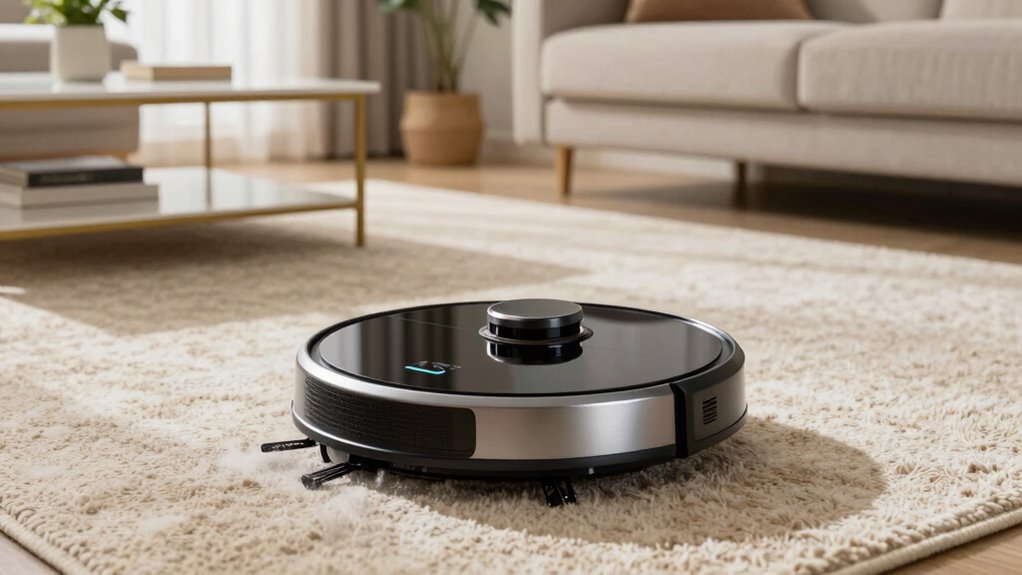
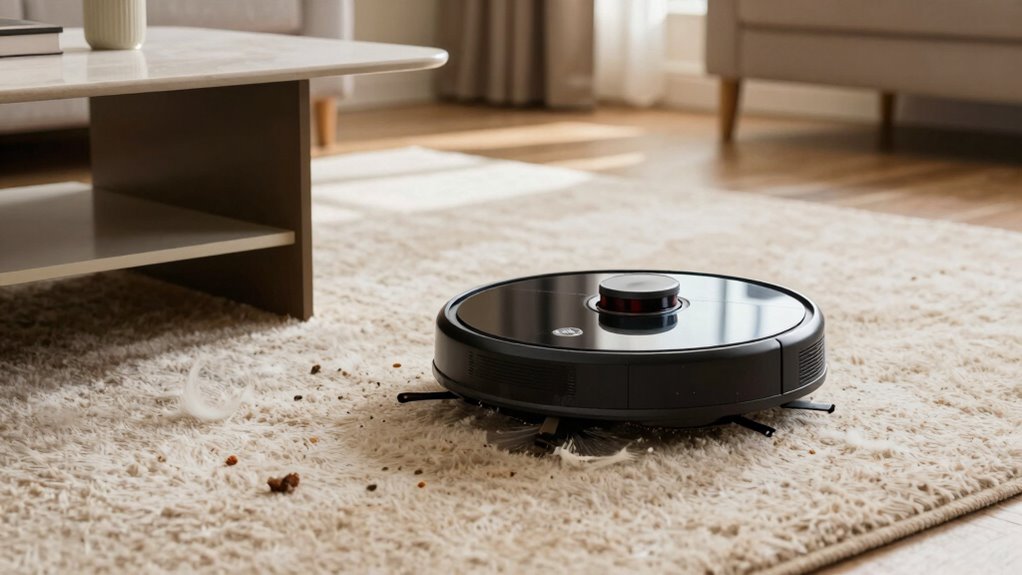
Robot vacuums also excel at reaching tight spaces and underneath furniture, areas where dust tends to hide and accumulate. Their compact design allows them to navigate under beds, sofas, and cabinets, ensuring no corner is left untouched. This thorough cleaning capability reduces dust buildup that can trigger allergies or asthma. Additionally, many models feature sensors to avoid obstacles and prevent falls, allowing them to cover your entire floor space efficiently. As a result, you get a more complete clean that manual vacuuming might not always achieve. Regular maintenance, such as cleaning brushes and checking filters, helps maintain the efficiency of allergen filtration systems**, ensuring optimal dust and allergen removal. Proper filter maintenance is crucial for improving indoor air quality, as it ensures allergens and dust are effectively captured. To maximize their dust control benefits, you need to keep your robot vacuum in top shape. Regular robot vacuum maintenance includes cleaning brushes, checking for blockages, and ensuring that sensors and filters are functioning properly. When you do this, you boost allergen filtration and prolong your vacuum’s lifespan. Incorporating routine maintenance practices can significantly enhance the vacuum’s ability to trap dust and allergens. Routine upkeep also helps prevent mechanical issues that could reduce cleaning effectiveness. The more diligent you are about maintenance, the better your vacuum performs at trapping dust and allergens, creating a healthier indoor environment. By integrating routine maintenance** into your cleaning schedule, you guarantee your robot vacuum continues to serve as an effective ally in dust control, giving you peace of mind and relief from allergy symptoms.
robot vacuum with allergen filtration
As an affiliate, we earn on qualifying purchases.
As an affiliate, we earn on qualifying purchases.
Frequently Asked Questions
How Often Should I Run My Robot Vacuum for Optimal Dust Control?
You should run your robot vacuum at least 3-4 times a week for effective dust control. This frequency helps prevent dust buildup and keeps your space cleaner. With good battery life, your robot can clean longer, and advanced navigation technology ensures thorough coverage. Regular use maintains a dust-free environment, and scheduling it automatically helps you stay consistent without extra effort.
Can Robot Vacuums Handle Pet Hair Effectively?
Robot vacuums handle pet hair removal quite well, especially models with strong suction and specialized brushes. To keep them performing at their best, regular vacuum maintenance is crucial. While they excel at gathering pet hair from floors and carpets, occasional manual cleanup ensures ideal results. With consistent care, your robot vacuum can efficiently manage pet hair, reducing mess and making your home tidier and more comfortable.
Do Robot Vacuums Improve Air Quality in the Long Term?
Yes, robot vacuums can improve air quality in the long term. They excel at dust particle filtration, removing allergens and tiny particles from your floors regularly. This continuous cleaning reduces dust buildup, preventing it from becoming airborne. Additionally, robot vacuums enhance air circulation improvement by efficiently sweeping debris, which helps maintain a cleaner environment. Over time, this consistent maintenance supports healthier indoor air quality for you and your family.
Are Robot Vacuums Suitable for Allergy Sufferers?
Think of a robot vacuum as a vigilant guardian, quietly battling allergy triggers and dust accumulation. If you’re an allergy sufferer, it’s suitable because it continuously removes allergens, preventing them from settling deep into carpets and upholstery. Its small size and smart navigation reach tight corners and hidden spots, reducing dust and allergens. This constant vigilance helps improve your air quality, making your space more comfortable and healthier to breathe.
How Do Robot Vacuums Compare to Traditional Dusting Methods?
Robot vacuums are more efficient than manual cleaning when it comes to controlling dust accumulation. Unlike traditional dusting methods, they continuously clean hard-to-reach areas, reducing dust buildup. You don’t have to spend time sweeping or vacuuming manually, which often stirs dust into the air. Instead, robot vacuums work automatically to keep your space cleaner and dust-free, making them a practical upgrade for maintaining a healthier environment.
As an affiliate, we earn on qualifying purchases.
Conclusion
Robot vacuums are a game-changer for dust control, making it easier to keep your home clean effortlessly. With their advanced sensors and consistent cleaning schedules, they reduce airborne dust and allergens, improving your indoor air quality. Did you know that some models can clean up to 99% of dust and allergens in your home? Incorporating a robot vacuum into your routine can markedly boost your dust management, giving you a healthier, more comfortable living space with less effort.
robot vacuum with obstacle sensors
As an affiliate, we earn on qualifying purchases.
As an affiliate, we earn on qualifying purchases.
As an affiliate, we earn on qualifying purchases.
Fall Picks
fall essentials
As an affiliate, we earn on qualifying purchases.