Filter thickness might seem like a key quality factor, but it’s not the whole story. Thicker filters aren’t always better; design and construction play major roles in their effectiveness. Performance metrics like filtration efficiency and airflow resistance tell you more about how well a filter works. A well-made, thinner filter can outperform a thicker, poorly designed one. If you want to know why performance metrics matter more, keep exploring—there’s more to discover.
Key Takeaways
- Filter thickness alone doesn’t guarantee better performance; design quality and construction are crucial.
- Performance metrics like filtration efficiency and airflow resistance provide more reliable comparisons than marketing claims.
- Well-designed thinner filters can outperform thicker, poorly made ones by optimizing media and airflow.
- Thicker filters can increase costs without improving filtration if not properly engineered for airflow and effectiveness.
- Properly engineered filters balance thickness, media, and airflow to maintain system efficiency and pollutant removal.

Have you ever wondered if the marketing hype around air filter thickness truly reflects their effectiveness? Many manufacturers emphasize thicker filters, suggesting they’re automatically better at trapping pollutants. But the truth is, thickness alone doesn’t tell the whole story. To really understand a filter’s performance, you need to look at performance metrics—how well it filters air, how long it lasts, and how it impacts airflow. Thicker filters can sometimes improve performance, but only if they’re designed properly. Conversely, a thicker filter that’s poorly made might not perform any better than a thinner, well-engineered one. This is where performance metrics come into play, providing clear, measurable data on filtration efficiency, dust holding capacity, and airflow resistance. These numbers are more meaningful than marketing claims, helping you decide which filter actually delivers real benefits. Additionally, filter design plays a crucial role in ensuring that increased thickness translates to better filtration without compromising airflow or increasing costs. Proper filter construction is essential for maximizing the benefits of thicker filters while maintaining system efficiency. Manufacturing costs also play a critical role in the debate over filter thickness. Thicker filters generally require more material, which increases manufacturing expenses. Some companies might use this as a selling point, implying that a thicker filter justifies a higher price. But higher costs don’t always mean better performance. Manufacturers that focus on optimizing performance metrics, like using advanced filtration media or innovative designs, can produce effective filters without unnecessary thickness. This allows for cost-effective solutions that still meet high filtration standards. In fact, innovations in filter media can enable thinner filters to perform just as well as thicker ones, reducing costs and airflow resistance. This means they can keep costs down while still delivering high-quality filtration. As a consumer, you shouldn’t assume that a more expensive, thicker filter is automatically better. Instead, look for products that balance manufacturing costs with proven performance data. Another factor to consider is airflow. A thicker filter might seem like it would reduce airflow, but if it’s designed with a low-resistance media, it won’t hinder your system’s efficiency. Properly engineered filters strike a balance—they’re thick enough to trap pollutants effectively but thin enough to maintain good airflow. This balance is crucial because poor airflow can strain your HVAC or air purification system, reducing its lifespan and efficiency. **Understanding the performance metrics** can help you better evaluate the true value of a filter beyond marketing claims. So, while marketing might promote thick filters as the ultimate solution, it’s your understanding of performance metrics and manufacturing quality that truly guides you toward the right choice. In short, don’t get caught up in the marketing hype around filter thickness. Instead, focus on performance metrics that measure how well a filter performs and consider manufacturing costs that influence quality and price. The right filter isn’t necessarily the thickest one—it’s the one that offers the best combination of filtration efficiency, durability, and airflow at a reasonable cost. That’s what truly matters for effective air purification.

K&N High-Flow Original Lifetime Universal Clamp-On Air Filter: High Performance, Premium: Flange Diameter: 4 In, Filter Height: 5.5 In, Flange Length: 1.125 In, Shape: Round Tapered, RG-1001RD
ENGINEERED POWER: State-of-the-art air filter media is designed to increase horsepower and acceleration as well as improve overall…
As an affiliate, we earn on qualifying purchases.
As an affiliate, we earn on qualifying purchases.
Frequently Asked Questions
How Is Filter Thickness Measured and Standardized Across Different Brands?
You measure filter thickness by using precise tools like calipers or micrometers, ensuring consistency across brands. Standards often specify minimum thickness levels, considering material composition and manufacturing standards to guarantee quality. Different brands follow these guidelines, enabling you to compare filters accurately. By understanding these measurements and standards, you can better assess filter durability and performance, rather than relying solely on marketing claims.
Does Thicker Filter Material Always Mean Better Filtration?
Think of filter thickness as a double-edged sword; thicker doesn’t always mean better filtration. While increased thickness can boost filter durability and improve material density, it may also restrict airflow, reducing efficiency. You need to balance these factors because a thicker filter isn’t inherently superior. Instead, focus on how well the filter captures particles and maintains airflow—quality, not just size, determines true filtration performance.
Can Thicker Filters Impact Air Flow and System Efficiency?
Thicker filters can impact airflow restriction, making it harder for air to pass through, which may reduce system efficiency. This increased restriction can strain your system, potentially leading to decreased durability over time. While thicker filters often trap more particles, they might require more frequent maintenance or replacement to maintain ideal airflow. Balancing filter thickness with airflow needs ensures your system stays efficient and durable without unnecessary strain.
Are Thicker Filters More Cost-Effective Over Their Lifespan?
Thicker filters often prove more cost-effective over their lifespan because they last longer and maintain filter durability. An average thicker filter with high material density can double its lifespan compared to thinner options, saving you money on replacements. This increased durability means fewer replacements and less frequent maintenance, ultimately reducing long-term costs. So, investing in thicker filters can be a smart choice for both your budget and system efficiency.
How Does Filter Thickness Influence Maintenance Frequency?
Thicker filters typically extend the maintenance frequency because they have a longer filter lifespan. They can hold more dust accumulation before becoming clogged, reducing how often you need to replace or clean them. This means less downtime and maintenance effort for you. By choosing a thicker filter, you guarantee better dust capture and longer intervals between replacements, ultimately saving you time and money while maintaining cleaner air quality.

Air Purifiers for Home with High Efficiency Filter Up to 1076 Ft² for Pet Hair, Odors, Pollen, Smoke, Compact Air Cleaner with 3 Speeds, Timer, Aroma Quiet 360°Intake Filter, White
Effortless Operation: Simplified control panel with intuitive design makes it easy to operate. No complicated setup—just one tap,…
As an affiliate, we earn on qualifying purchases.
As an affiliate, we earn on qualifying purchases.
Conclusion
Remember, when choosing a filter, thickness often matters more than flashy marketing. Thicker filters generally trap more particles, improving air quality and protecting your health. For instance, a study shows that filters with a 5-inch thickness can remove up to 99% of allergens, compared to just 80% with thinner options. So, don’t be swayed solely by brand promises—opt for the thicker, more effective filter to truly make a difference in your environment.

Core Mini Replacement Filter Compatible with LEVOIT Core Mini Air Purifier,Core Mini-P, Replace Part #Core Mini-RF, 2 Filter & 10 Fragrance Sponge
【Fully Compatible with Core Mini/Core Mini-P】The premium Core Mini replacement filter is specially designed for LEVOIT Core Mini-P…
As an affiliate, we earn on qualifying purchases.
As an affiliate, we earn on qualifying purchases.
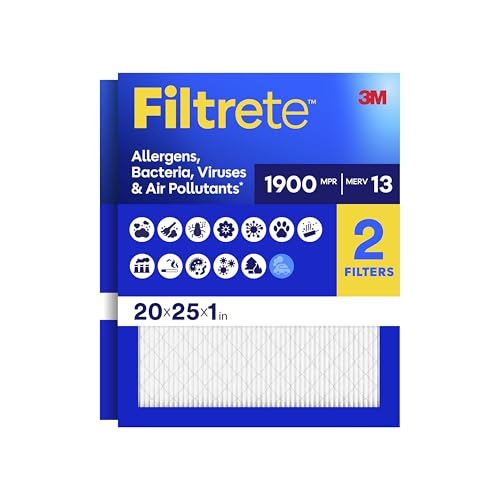
Filtrete 20x25x1 Air Filter, MERV 13 MPR 1900, Allergens, Bacteria, Viruses & Air Pollutants, 3-Month AC/Furnace Filters, Cleaner Air Reliable Airflow, 2 HVAC Filters(Act Size 19.62×24.62×0.78 in)
MAKE YOUR HOME YOUR SANCTUARY: 2-pack of 3-month pleated Filtrete 20x25x1 MERV 13 MPR 1900 AC Furnace Air…
As an affiliate, we earn on qualifying purchases.
As an affiliate, we earn on qualifying purchases.