
TL;DR

Get health and wellness essentials delivered free — and shop member deals
- Fast, free delivery on millions of items
- Access to Prime Big Deal Days deals on October 6–7
- Prime Video, Amazon Music and more included
Interest in seasonal fall fruits and vegetables recommended by nutrition professionals is rising sharply in autumn, as it does each year. Produce such as apples, winter squash, Brussels sprouts, pears and root vegetables are long-established parts of the season’s harvest. The specific trigger for the current spike in coverage is not confirmed.
Search interest and media coverage of fall fruits and vegetables favored by nutrition professionals are climbing as the season settles in, part of a predictable annual pattern in which audiences look for guidance on eating with the harvest. The topic — lists of autumn produce such as apples, winter squash, Brussels sprouts, pears, sweet potatoes and leafy greens framed around what dietitians recommend — is drawing renewed attention across wellness outlets. The specific item or event driving the current wave of interest has not been confirmed.
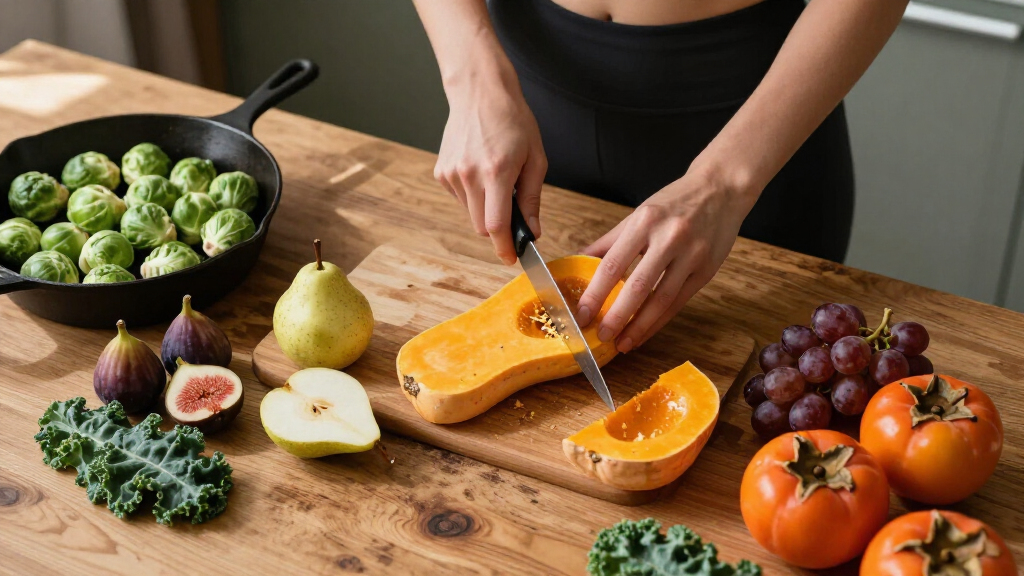
The subject matter itself is not new. Autumn harvest produce is a long-established category, and the items that typically appear on nutritionist-curated fall lists are stable from year to year. Common inclusions are apples and pears, which store well into the colder months; winter squashes such as butternut, acorn and delicata; cruciferous vegetables including Brussels sprouts, cabbage and cauliflower; root vegetables like beets, carrots, parsnips and turnips; and hardy greens such as kale and Swiss chard. Pomegranates, cranberries, grapes and figs also appear frequently in seasonal roundups.
What these foods share, according to long-standing nutritional science, is a high density of fiber, vitamins and minerals relative to their calories. U.S. dietary guidance, including the federal Dietary Guidelines for Americans, has for years encouraged higher fruit and vegetable consumption generally, and public health authorities such as the Centers for Disease Control and Prevention have repeatedly reported that most Americans fall short of recommended intakes. Seasonal produce lists are a common editorial format used by wellness publications to translate that general advice into timely, shop-able recommendations.
The current signal is a spike in attention to this specific framing — “fall fruits and vegetables nutrition experts love” — tracked through wellness content channels. Comparable surges occur each autumn, when harvest availability, farmers market seasons and the lead-up to holiday cooking all raise demand for produce guidance. No new study, official announcement or expert release has been identified as the trigger for the present uptick.
Why Seasonal Produce Lists Draw Readers
The recurring popularity of these lists reflects a practical consumer need. Fruits and vegetables in season are generally more available, fresher and often less expensive than out-of-season imports, making autumn a natural moment for households to expand their produce purchases. For readers trying to follow established dietary advice — most adults are advised to fill roughly half their plate with fruits and vegetables — seasonal framing makes the recommendation concrete.
There is also an economic dimension. Apple, squash, cranberry and root vegetable harvests move through wholesale and retail channels in the fall, and consumer attention to these items can influence demand at farmers markets and grocery stores. Nutrition communicators, for their part, use the season as an anchor for public health messaging, since people are more receptive to produce advice when the foods are visibly prominent in stores.
Readers should note that these lists are editorial curation, not new scientific findings. The underlying recommendation — eat more fruits and vegetables, with variety across types and colors — is long-standing consensus guidance, not a development specific to this season.
The Established Science Behind the List
The nutritional case for autumn produce items is well documented over decades. Winter squashes and sweet potatoes are known sources of beta-carotene; cruciferous vegetables are studied for their fiber and vitamin content; apples and pears contribute soluble fiber; dark leafy greens supply vitamin K, folate and iron. None of this is disputed, and none of it changed recently.
The editorial format — a ranked or curated list of seasonal foods “nutrition experts love” — has become a staple of wellness media each fall, alongside similar lists for spring and summer. The format’s recurrence is itself the strongest evidence that the current interest spike is seasonal rather than event-driven. In prior years, similar waves of coverage have coincided with harvest timelines, the start of the academic year and early holiday meal planning.
General dietary guidance in the United States has long encouraged fruit and vegetable variety. Federal nutrition resources maintain seasonal produce guides, and many state agriculture departments publish annual harvest calendars listing when specific items reach markets.
What the Trend Signal Does Not Show
The verified information in this case is limited to the metadata: a wellness-topic item titled “10 Fall Fruits and Vegetables Nutrition Experts Love” circulating via RSS and generating elevated attention. Which ten items the list contains, which experts were consulted, and which publication produced it are not confirmed from the available signal.
It is also unclear whether the current spike exceeds the usual autumn baseline or simply reflects the normal seasonal cycle. No baseline comparison figure is available for the present uptick, so its magnitude relative to prior years cannot be stated. No named dietitian, study, or official release associated with this specific wave of coverage has been identified, and any such attribution should be treated as unconfirmed until a primary source is published.
The Rest of the Season’s Produce Calendar
If the pattern of prior years holds, attention to fall produce topics will likely remain elevated through the harvest window and peak around holiday meal planning in November and December, when squash, cranberries, Brussels sprouts and root vegetables feature heavily in recipes. Coverage typically tapers after the new year, when editorial focus shifts toward resolutions-oriented nutrition content.
Readers seeking reliable produce guidance can consult federal seasonal produce resources, state agriculture department harvest calendars, or registered dietitians. Anyone making significant changes to their diet for health reasons should discuss them with a qualified healthcare professional.
Key Questions
Is there a new study behind the renewed interest in fall produce?
No new study has been identified. The current attention appears to be a recurring seasonal spike in wellness coverage. The underlying nutrition science on these foods is long-established and unchanged.
Which fruits and vegetables typically appear on these fall lists?
Common items include apples, pears, winter squashes (butternut, acorn, delicata), sweet potatoes, Brussels sprouts, cabbage, beets, carrots, parsnips, kale, pomegranates, cranberries, grapes and figs. The exact ten items in the trending list are not confirmed.
Are seasonal fruits and vegetables actually better for you?
Seasonal produce is generally fresher, more available and often cheaper, which can make it easier to eat more fruits and vegetables overall. The health recommendation itself — eat a varied, plant-rich diet — applies year-round regardless of season.
Do most Americans eat enough fruits and vegetables?
No. According to recurring CDC surveillance findings, most American adults fall short of recommended intake levels — a long-documented gap that seasonal produce content aims to help close.
Where can I verify seasonal produce availability in my area?
Federal nutrition resources publish seasonal produce guides, and most state agriculture departments maintain harvest calendars listing when specific fruits and vegetables reach local markets.
Source: rss
Fall Picks
fall essentials
As an affiliate, we earn on qualifying purchases.