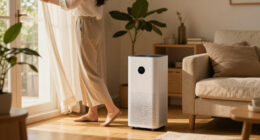
Dry throat in winter often stems from low humidity and constant heating. When heaters run continuously, they dry out the air, leading to throat irritation and discomfort. Cold air outside constricts blood vessels, further reducing throat moisture. To combat this, you can use humidifiers, keep indoor plants, and seal drafts to maintain ideal humidity levels. Staying hydrated is also key to preventing dryness. Let’s explore more strategies to create a comfortable and healthy indoor environment.

Get health and wellness essentials delivered free with Prime
- Fast, free delivery on millions of items
- Prime Video, Amazon Music and more included
- Member-only deals all year
Key Takeaways
- Low indoor humidity from heating systems contributes significantly to dry throat and respiratory discomfort during winter months.
- Regular use of humidifiers is crucial for maintaining optimal humidity levels (30-50%) to alleviate throat dryness.
- Heating systems often reduce indoor humidity, leading to increased throat irritation, coughing, and skin dryness.
- Incorporating moisture-retaining plants and indoor activities can naturally increase humidity and improve air quality.
- Balancing heating with effective humidity control enhances overall comfort and reduces susceptibility to respiratory issues in winter.
humidifiers for winter dry throat
As an affiliate, we earn on qualifying purchases.
As an affiliate, we earn on qualifying purchases.
Understanding Dry Throat Symptoms

When winter arrives, you might notice your throat feels dry and scratchy. This discomfort often stems from lowered humidity levels indoors, especially when heating systems run continuously. You may experience symptoms like a persistent cough, difficulty swallowing, or even a hoarse voice. To combat these issues, consider practicing throat soothing techniques, such as drinking warm teas or using throat lozenges. Additionally, humidifier maintenance plays a vital role in alleviating dryness. Regularly clean and refill your humidifier to guarantee it effectively adds moisture to the air. A well-maintained humidifier is also essential for recovery and can help your body cope with the discomfort associated with winter dryness. Furthermore, maintaining ideal humidity levels in your home can significantly improve overall air quality and contribute to a healthier living environment. Incorporating eco-friendly natural pools into your outdoor space can also enhance humidity levels around your home. For optimal results, ensure your home has a reliable whole-home backup power system to keep your heating and humidifying devices operational during winter storms. By staying proactive in caring for your throat and maintaining ideal humidity levels, you can considerably reduce the discomfort associated with winter dryness and enjoy a more comfortable season.
As an affiliate, we earn on qualifying purchases.
The Impact of Winter Weather on Throat Health

Winter weather can really take a toll on your throat health. The cold air outside and the dry heat inside your home can lead to irritation and discomfort. Understanding these effects can help you find ways to keep your throat feeling better during the colder months. One effective way to combat dryness is by using clean-home systems that maintain optimal humidity levels in your living space. Maintaining proper humidity levels can also promote better sleep quality, as sleep science shows that a comfortable environment is crucial for restorative rest. Additionally, hydration is essential for throat health, as it helps to maintain moisture and reduce irritation. Consider using portable power solutions to run humidifiers that help elevate indoor humidity levels during winter. Keeping your environment balanced with proper humidity levels can also enhance overall wellness.
Cold Air Effects
As temperatures drop, the cold air can wreak havoc on your throat, leaving it feeling dry and irritated. Cold exposure constricts blood vessels, reducing moisture in your throat and worsening any scratchiness you experience. Additionally, lower air quality during winter can exacerbate these symptoms, as cold air often carries dust and allergens that irritate your throat further. You might notice that your voice becomes raspy or that you cough more often due to this dry environment. It’s essential to stay hydrated and perhaps consider a humidifier when you’re indoors to counteract the harsh effects of winter weather on your throat. Taking these steps can help you maintain throat comfort even in the coldest months. Furthermore, using a humidifier can help combat dry air and improve overall respiratory health during winter months. Maintaining optimal humidity levels is crucial, as it can greatly influence your throat’s health and comfort during the winter season. The importance of energy-efficient solutions also extends to maintaining a healthy indoor environment, as proper humidity levels can support better throat health. Additionally, using a humidifier can create optimal conditions that allow for better breathing and throat comfort during the winter months. A well-hydrated throat can also enhance vocal quality and reduce the risk of vocal strain during winter.
Indoor Heating Impact
While you might enjoy the warmth of indoor heating during the cold months, it can considerably impact your throat health. The dry air produced can lead to irritation and discomfort. To combat this, consider the humidifier benefits; adding moisture helps soothe your throat. Additionally, using an air purifier can filter out allergens and pollutants, providing cleaner air to breathe. Proper vehicle maintenance can also help ensure a comfortable indoor environment by reducing dust and allergens.
| Impact of Indoor Heating | Solutions |
|---|---|
| Dry throat | Use a humidifier |
| Irritation | Install an air purifier |
| Increased coughing | Maintain humidity levels |
| Sinus congestion | Drink plenty of water |
| Fatigue | Take regular breaks |
As an affiliate, we earn on qualifying purchases.
How Indoor Heating Affects Humidity Levels

When you turn on your heating system during winter, it can considerably drop the humidity levels in your home. This decrease can lead to dry air, making your throat feel uncomfortable. Let’s explore how different heating systems contribute to this issue and what you can do to combat dry air. Additionally, maintaining a comfortable indoor environment is essential for overall well-being, as it can impact your health and productivity. Investing in premium home essentials that promote better air quality can significantly improve your living space. One effective way to enhance your indoor air quality is to monitor humidity levels, as proper humidity can alleviate discomfort caused by dry air. Furthermore, incorporating ventilation considerations in your home design can help maintain optimal humidity levels and improve air circulation. Additionally, using an air purifier can help reduce allergens and improve overall air quality in your home.
Heating Systems Explained
Indoor heating systems play an essential role in maintaining comfort during winter, but they can considerably lower humidity levels in your home. Different heater types, like forced air and radiant heaters, often dry out the air as they warm your space. This can lead to discomfort, including dry throats and irritated skin. To counteract this, consider using a humidifier. The humidifier benefits include adding moisture back into the air, which helps maintain a balanced environment. It’s especially useful when you’re using heating systems that strip humidity. By understanding how your heating system affects humidity, you can take steps to keep your home cozy and healthy all winter long, ensuring you breathe easier and feel more comfortable. Additionally, understanding the impact of humidity on overall health can help you make informed choices about your indoor environment. Furthermore, maintaining proper water chemistry in your pool can also contribute to a healthier indoor climate by reducing allergens and improving overall air quality.
Humidity Decrease Factors
As you heat your home, it’s important to recognize how different heating methods can considerably lower humidity levels. Traditional heating systems, like forced air, tend to dry out the air because they circulate warm air without adding moisture. This decrease in humidity can lead to discomfort, including dry throats and irritated skin. You might find that using a humidifier can effectively combat these issues. The benefits of humidifiers include not just alleviating dryness but also improving overall air quality. By maintaining ideal humidity levels, you can create a more comfortable living environment. So, consider how your heating choices impact humidity, and think about incorporating a humidifier to enhance both comfort and air quality during winter months.
Solutions for Dry Air
While heating your home can keep you warm and cozy, it often leads to dry air that can negatively impact your comfort. To combat this, consider using a humidifier. The humidifier benefits include adding moisture back into the air, which can soothe your throat and skin. You’ll notice a significant improvement in your overall comfort level. Additionally, air purifiers can help by removing allergens and pollutants from your indoor environment, allowing you to breathe easier. Combining these two devices creates a more pleasant atmosphere, especially during the winter months. Don’t let dry air ruin your cozy evenings; invest in a humidifier and air purifier to maintain a healthy indoor climate. Your throat and overall well-being will thank you!
As an affiliate, we earn on qualifying purchases.
The Role of Humidity in Respiratory Comfort

Humidity plays a crucial role in your respiratory comfort, especially during the cold winter months. When the air is dry, your nasal passages can become irritated, leading to discomfort and increased susceptibility to respiratory issues. That’s where the benefits of using a humidifier come in. A humidifier adds moisture to the air, helping to keep your nasal passages hydrated. This not only alleviates dryness but also supports your body’s natural defenses against infections. By maintaining ideal humidity levels, you can breathe easier and feel more comfortable indoors. So, don’t overlook the importance of humidity; investing in a humidifier can greatly enhance your winter experience and promote better respiratory health.
Identifying the Signs of Low Humidity

When the air turns dry, you might notice certain signs that indicate low humidity levels in your home. You’ll likely experience dry skin, chapped lips, and a persistent dry throat. If you’re waking up with discomfort or noticing static electricity zapping you, that’s a clear sign too. Additionally, furniture may crack or warp, and you might see an increase in dust and allergens in your space. These issues not only affect your comfort but also your overall air quality. Investing in a humidifier can bring significant benefits, such as alleviating these symptoms and improving air quality. By maintaining ideal humidity, you can create a more pleasant living environment, enhancing your health and well-being during dry winter months.
Tips for Maintaining Optimal Humidity at Home

To keep your home comfortable during the winter months, maintaining ideal humidity levels is essential. Start by investing in a good humidifier and commit to regular humidifier maintenance; clean it often to prevent mold and bacteria growth. Aim for indoor humidity levels between 30-50%. Alongside your humidifier, consider adding indoor plants. They not only enhance your home’s aesthetics but also naturally increase humidity through transpiration. Spider plants and peace lilies are great options. When cooking or showering, leave the doors open to let steam circulate and boost humidity. You can also air-dry laundry indoors, which adds moisture to the air. By combining these tips, you’ll create a more comfortable environment and reduce the risk of dry throat.
Natural Remedies for Alleviating Dry Throat

If you’re struggling with a dry throat this winter, natural remedies can provide much-needed relief. Start by sipping on herbal infusions like chamomile or ginger tea. These soothing drinks not only hydrate but also offer anti-inflammatory benefits. You might also consider using aromatherapy diffusers with essential oils like eucalyptus or peppermint. The gentle mist can help add moisture to the air, making it easier for you to breathe and keep your throat comfortable. Another effective method is gargling warm salt water, which can reduce irritation and promote healing. Finally, don’t forget to keep your environment humidified, as this can considerably alleviate dryness. With these simple remedies, you can find relief and enjoy the season comfortably.
The Importance of Staying Hydrated

Staying hydrated is essential, especially during the winter months when dry air can exacerbate throat discomfort. You might not realize how much your hydration habits affect your overall health. Low fluid intake can lead to dry throat and make it harder to stay comfortable. Aim to drink plenty of water throughout the day, even if you don’t feel thirsty. Herbal teas and broths can also help maintain your hydration levels. You can easily incorporate fruits and vegetables with high water content into your meals for an extra boost. By prioritizing your fluid intake, you’ll not only soothe your throat but also improve your overall wellness during the colder months. Stay aware of your hydration habits, and your body will thank you.
When to Seek Medical Advice for Persistent Symptoms

If your dry throat lasts longer than a week, it’s time to contemplate seeking medical advice. Pay attention to any associated symptoms, like difficulty swallowing or a persistent cough, as these could indicate a more serious issue. Trust your instincts—don’t hesitate to reach out to a healthcare professional if you’re concerned.
Duration of Symptoms
While a dry throat in winter can be a common annoyance, you should pay attention to how long your symptoms last. If you notice your dry throat persists beyond a few days, consider these points:
- Duration: If symptoms last more than a week, it’s time to consult a healthcare professional.
- Severity: If your throat feels increasingly painful or swollen, seek advice.
- Humidity: If using a humidifier doesn’t improve your airway hydration, check with a doctor.
- Other Symptoms: If you develop additional symptoms, like a cough or fever, don’t hesitate to ask for help.
Being proactive about your health ensures you can enjoy the winter months without ongoing discomfort.
Associated Symptoms to Watch
Persistent dry throat symptoms can often accompany other signs that signal a need for medical attention. If you experience persistent pain, difficulty swallowing, or a fever, it’s time to consult a healthcare professional. These symptoms might indicate an underlying condition that needs treatment. While humidifiers can provide significant benefits by adding moisture to the air, they may not resolve all issues. Additionally, throat lozenges can offer temporary relief but shouldn’t replace medical advice. If your symptoms last more than a week or worsen despite these remedies, don’t hesitate to seek help. Staying proactive about your health guarantees you address any serious issues promptly, keeping your throat and overall well-being in check during winter.
Creating a Balanced Indoor Environment for Comfort

Creating a balanced indoor environment is essential for your comfort, especially during the dry winter months. Here are a few tips to help you achieve that:
Creating a comfortable indoor atmosphere is vital, particularly in the dry winter months.
- Use a Humidifier: Regular humidifier maintenance keeps your air moist and helps alleviate dry throat symptoms.
- Add Indoor Plants: They naturally increase humidity and improve air quality, not to mention they brighten up your space.
- Seal Drafts: Check windows and doors for leaks to retain heat and moisture indoors.
- Ventilate: Open windows briefly to refresh air, even in winter, to prevent stale air buildup.
Frequently Asked Questions
Can Pets Contribute to Indoor Dryness During Winter?
Yes, pets can contribute to indoor dryness during winter. Pet dander can irritate your throat and exacerbate dry air conditions. Additionally, when pets shed, they can reduce humidity levels in your home. To counteract this, consider adding indoor plants that naturally increase moisture in the air. Keeping your pets groomed can also help minimize dander and improve overall air quality, making your living space more comfortable during the dry winter months.
Are There Specific Foods That Help Soothe a Dry Throat?
Yes, certain foods can help soothe a dry throat. Incorporate soothing remedies like honey, which coats your throat, or warm broths that provide hydration. Dietary solutions such as bananas and avocados can also be beneficial due to their soft texture and moisture content. Don’t forget about herbal teas; they not only warm you up but can also alleviate irritation. Staying hydrated with water throughout the day is essential too!
How Does Smoking Affect Throat Dryness in Winter?
Smoking can markedly worsen throat dryness during winter. When you smoke, the tobacco irritation reduces moisture in your throat, leaving it feeling dry and scratchy. This effect is compounded by the cold air and low humidity typical of winter. Your body struggles to combat the dryness, making it uncomfortable to swallow or speak. If you want relief, cutting back on smoking could help improve your throat’s condition and overall comfort.
Can Air Purifiers Improve Throat Comfort in Winter?
Picture a gentle breeze weaving through your home, bringing life to the dry winter air. An air purifier can indeed improve your throat comfort during chilly months. By filtering out dust and allergens, it helps create a cleaner environment. Plus, it can increase winter humidity levels, making your throat feel more at ease. With an air purifier, you’re not just breathing; you’re inviting comfort and relief into your space.
Does Drinking Herbal Tea Help With Throat Dryness?
Yes, drinking herbal tea can definitely help with throat dryness. These herbal remedies provide soothing effects and enhance throat hydration, making you feel more comfortable. Warm teas, like chamomile or ginger, not only hydrate your throat but also offer anti-inflammatory properties. Plus, sipping on herbal tea can be a calming ritual, reducing stress, which might also contribute to throat discomfort. So, grab a cup and enjoy the benefits!
Conclusion
In winter, your throat can feel as dry as a desert due to the cold air and indoor heating. By understanding the importance of humidity and taking steps to maintain it, you can keep your throat comfortable and healthy. Remember to stay hydrated and explore natural remedies to soothe any discomfort. If your symptoms persist, don’t hesitate to seek medical advice. Creating a balanced indoor environment will make winter much more bearable for you and your throat.
Halloween Picks
halloween
As an affiliate, we earn on qualifying purchases.