
TL;DR

Get health and wellness essentials delivered free — and shop member deals
- Fast, free delivery on millions of items
- Access to Prime Big Deal Days deals on October 6–7
- Prime Video, Amazon Music and more included
The FDA expanded remibrutinib’s indication to treat adults with symptomatic dermographism whose symptoms are inadequately controlled by H1 antihistamines. In the RemIND phase III trial cohort, 29.3% of participants taking remibrutinib had a complete response at 12 weeks, compared with 14.0% taking placebo.
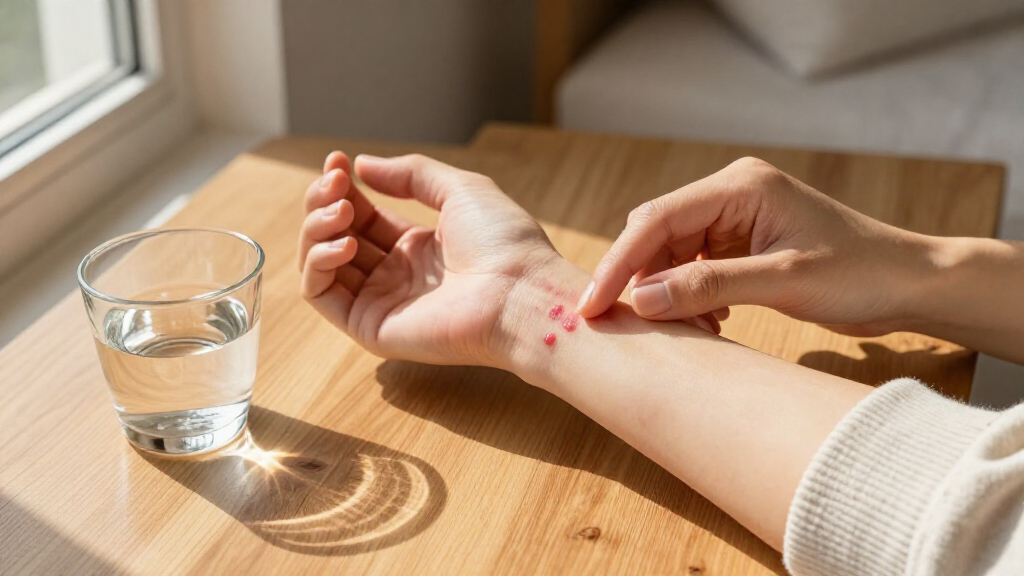
The FDA has expanded remibrutinib’s approved use to include adults with symptomatic dermographism whose condition is inadequately controlled by H1 antihistamines, Novartis announced. The decision adds an oral treatment option for a form of chronic inducible urticaria and follows phase III trial results showing more complete responses with the drug than with placebo.
Remibrutinib, sold under the brand name Rhapsido, is an oral Bruton’s tyrosine kinase (BTK) inhibitor. The expanded indication permits its use as an initial treatment for eligible adults who remain symptomatic despite H1 antihistamines, according to the announcement reported by MedPage Today. The source does not specify any additional prescribing restrictions or patient selection criteria.
The FDA action was supported principally by the symptomatic dermographism cohort of the phase III RemIND trial. Participants had chronic inducible urticaria that remained symptomatic despite treatment with second-generation H1 antihistamines. At week 12, 29.3% of participants receiving remibrutinib met the trial’s criteria for complete response, compared with 14.0% of those receiving placebo; the reported P value was 0.0229. Responses were observed as early as two weeks after treatment began.
The study assessed complete response using the Total Fric Score. The report says remibrutinib had a consistent safety profile in clinical trials with follow-up to 24 weeks. Adverse events occurring in at least 3% of patients included nasal congestion, sore throat, nasopharyngitis, bleeding, headache, nausea and abdominal pain. The supplied report does not provide event rates for individual side effects or further details about serious adverse events.
A New Option After Antihistamines
The expanded indication gives adults with persistent symptomatic dermographism a prescription option beyond H1 antihistamines, the treatment patients in the supporting trial had already tried without adequate control. The 12-week results offer a specific measure of benefit: a greater share of participants on remibrutinib achieved complete response than on placebo. They do not mean that every patient will respond, and the reported figures do not describe how much individual patients’ symptoms changed.
Novartis said this makes remibrutinib the first prescription drug approved for both chronic spontaneous urticaria and symptomatic dermographism. The company also said the two conditions together occur in more than 90% of people with chronic hives. That prevalence figure is a company-reported statement in the source material, rather than a separate estimate detailed in the trial results. For patients and clinicians, the practical development is an additional treatment choice for adults whose symptoms persist despite antihistamines.
remibrutinib Rhapsido for dermographism
As an affiliate, we earn on qualifying purchases.
As an affiliate, we earn on qualifying purchases.
The Trial Behind the FDA Action
Symptomatic dermographism is described in the report as the most common form of chronic inducible urticaria. It involves symptoms brought on by a physical trigger, while chronic spontaneous urticaria is another form of chronic hives. The FDA expansion concerns the dermographism indication; it does not change the treatment’s stated eligibility to adults whose symptoms are inadequately controlled by H1 antihistamines.
The RemIND study enrolled people with chronic inducible urticaria who continued to have symptoms despite second-generation H1 antihistamines. In the dermographism cohort, the main reported comparison was the proportion reaching complete response at 12 weeks. The source gives the response percentages, P value and earliest reported timing of response, but does not provide the cohort size, confidence intervals or additional outcome measures. Follow-up for the reported safety profile extended to 24 weeks.
H1 antihistamine alternative treatments
As an affiliate, we earn on qualifying purchases.
As an affiliate, we earn on qualifying purchases.
Questions Beyond the 12-Week Results
The supplied report does not state how many participants were in the symptomatic dermographism cohort, provide confidence intervals, or detail results across other measures of symptom control and quality of life. It also does not give comparative rates for each adverse event, describe the full serious-event profile, or report safety follow-up beyond 24 weeks. The reported trial figures therefore capture a specific outcome and time point, not every aspect of treatment benefit or risk.
Further details about the FDA’s prescribing information, including dosing and any monitoring instructions, are not included in the source material. It is also unclear from the report whether additional analyses or longer-term follow-up are planned. Patients should discuss treatment choices and individual risks with a qualified health professional.
chronic inducible urticaria medication
As an affiliate, we earn on qualifying purchases.
As an affiliate, we earn on qualifying purchases.
Prescribing Details and Longer Follow-Up
The immediate next step for clinicians and patients is to consult the FDA-approved prescribing information for the full indication, dosing instructions, warnings and precautions. The available report confirms the expanded use but does not reproduce those details. Clinicians will also weigh the trial’s response results and reported adverse events against each patient’s symptoms and medical history.
Further published RemIND results or longer-term safety data could add information on how durable responses are and how benefits and risks compare over time. The source material does not announce a date for additional results or a separate FDA review milestone. Until further details are available, the confirmed evidence described here is the 12-week placebo comparison and safety follow-up reported through 24 weeks.
As an affiliate, we earn on qualifying purchases.
Key Questions
What did the FDA approve remibrutinib to treat?
The expanded indication covers adults with symptomatic dermographism whose condition is inadequately controlled by H1 antihistamines. The drug is remibrutinib, marketed as Rhapsido.
What were the main trial results?
In the symptomatic dermographism cohort of the phase III RemIND trial, 29.3% of participants taking remibrutinib had a complete response at 12 weeks, compared with 14.0% on placebo. Complete response was assessed using the Total Fric Score.
How soon were responses observed?
The report says responses were observed as early as two weeks after starting remibrutinib. It does not say that every participant responded by that point.
What adverse events were reported?
Events reported in at least 3% of patients included nasal congestion, sore throat, nasopharyngitis, bleeding, headache, nausea and abdominal pain. The supplied report does not give individual event rates.
Is remibrutinib the first drug approved for this condition?
Novartis described remibrutinib as the first prescription drug approved for both chronic spontaneous urticaria and symptomatic dermographism. That wording is the company’s claim as reported in the source material.
Source: rss
Halloween Picks
halloween
As an affiliate, we earn on qualifying purchases.