TL;DR

Get health and wellness essentials delivered free with Prime
- Fast, free delivery on millions of items
- Prime Video, Amazon Music and more included
- Member-only deals all year
A Sixty and Me report by an herb farmer and cosmetic formulator describes five plants used in skincare and summarizes research into their possible effects. The source presents study findings, not proof that homegrown herbs or products containing them will produce particular results; it also highlights local growing as a way to shorten ingredient supply chains.
A report published by Sixty and Me describes five plants—calendula, green tea, fennel, hops and lavender—that an herb farmer and cosmetic formulator considers useful in skincare. The account summarizes research into possible skin effects and explains how growing some ingredients locally can shorten supply chains, while stopping short of showing that any particular homemade preparation or product will deliver those benefits.
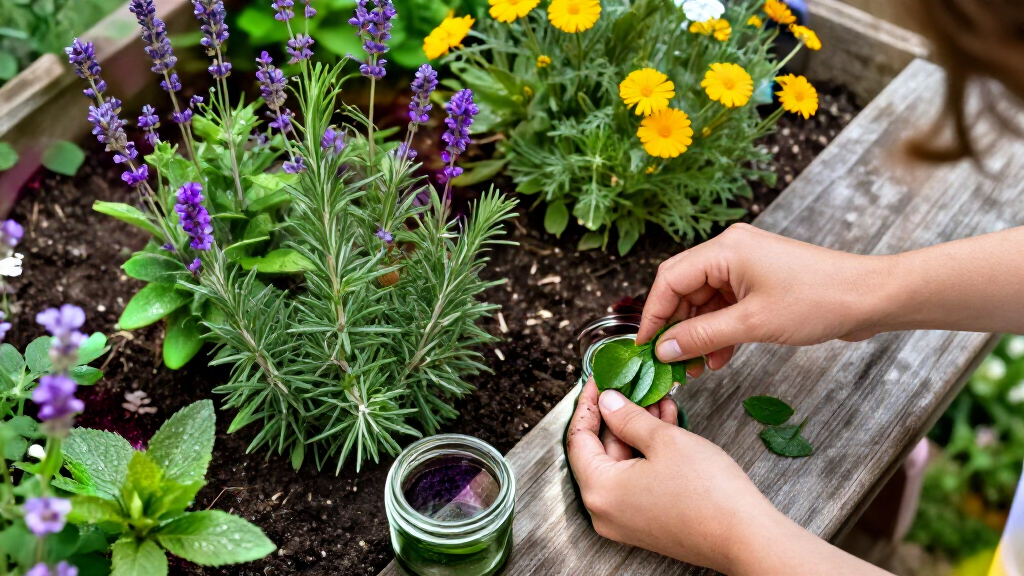
The author says calendula grows on the Colorado farm and is valued for compounds including carotenoids and flavonoids. The report points to research on calendula extracts involving skin repair, antioxidant and anti-inflammatory activity, hydration and elasticity. It also describes laboratory findings related to UVB-associated oxidative damage and collagen. Those findings concern particular extracts and research settings; the source does not specify that they establish a benefit from applying garden flowers directly to skin.
Green tea is the exception among the five: the author does not grow it, because the plant prefers warmer conditions than the farm’s Colorado climate. The report highlights catechins, including EGCG, and research into topical preparations and photoaging-related effects. It also summarizes studies of fennel preparations that reported changes in hydration, water loss through skin, texture, redness and pigmentation. Results depend on the preparation and study, details the supplied account does not fully enumerate.
The report describes hops as a source of polyphenols and flavonoids, with research on topical preparations reporting possible effects on hydration, redness, pigmentation and the appearance of wrinkles. It notes interest in hops compounds with phytoestrogenic activity, but does not establish a treatment for skin changes associated with menopause. The fifth plant, lavender, is grown on the farm and distilled into hydrosol. The author discusses its use for soothing skin and its aroma’s possible relationship to relaxation and sleep, while noting that aromatherapy evidence varies by preparation and circumstance.
Local Herbs, Formulation and Supply
The report links ingredient choice to more than a botanical name on a label. Its author argues that growing and processing ingredients locally can reduce reliance on ingredients that have been grown, processed, packaged, stored and shipped elsewhere. That may shorten a supply chain and reduce some upstream packaging and transport, although the source provides no emissions figures or other quantitative comparison.
There is also a practical distinction between a plant’s potential chemistry and a finished cosmetic. How an ingredient is extracted, prepared, preserved and formulated affects what is in a product. The author frames farm-to-skin as a process that includes understanding the plants and reviewing evidence, not simply adding any plant material to skincare. That distinction matters to readers weighing botanical claims: research on an extract is not automatically evidence for every product containing the same plant.
As an affiliate, we earn on qualifying purchases.
From Garden Plant to Skincare Ingredient
The account is a first-person report from someone who identifies as both an herb farmer and cosmetic formulator, rather than a clinical guideline or a report of a new trial. It presents research on five different plants, but the strength and kind of evidence vary across them. Some of the claims cited involve laboratory research, while others refer to studies of topical preparations; the supplied material does not provide study names, sample sizes or full methods for readers to compare.
The author says several plants grow at the Colorado Aromatics farm, with green tea explicitly excluded because of the climate. Lavender is distilled there into hydrosol, a water-based product made during distillation. The source also says the farm uses regenerative agriculture, but gives no independent assessment or measured environmental outcomes. These details frame the author’s approach; they do not independently verify product performance or sustainability claims.
“That’s really what “farm to skin” means to me.”
— The report’s author, an herb farmer and cosmetic formulator
As an affiliate, we earn on qualifying purchases.
Evidence and Product Effects
The supplied report does not identify the studies behind each effect in enough detail to assess their design, size or strength. It also does not establish that reported findings apply to all extracts, concentrations, formulations or users. In particular, research on topical extracts is not the same as evidence for an unprocessed homegrown plant, and the account gives no comparative trial of the five ingredients.
Environmental benefits are also described without quantified data on transport, packaging, land use or production. The report does not provide a complete product formulation or directions for preparing these plants at home. The precise effects, safety and suitability of a finished product therefore remain dependent on its ingredients and formulation, which are not detailed here.
As an affiliate, we earn on qualifying purchases.
What Readers Can Check
The report does not announce a forthcoming study, product launch or regulatory decision. Readers interested in a botanical ingredient can look for the specific extract and concentration named on a product label, then check whether cited research used a comparable preparation. Study details and finished-product formulation are needed to judge how closely research findings relate to a product’s claims.
For the farm-to-skin approach, the next useful evidence would include transparent sourcing and processing information, alongside measurable data supporting environmental claims. The article itself leaves those questions open and presents its five plants as the author’s selections, not a universal skincare routine.
lavender hydrosol for soothing skin
As an affiliate, we earn on qualifying purchases.
As an affiliate, we earn on qualifying purchases.
Key Questions
Which five plants does the report discuss?
It discusses calendula, green tea, fennel, hops and lavender. The author says several grow on the Colorado farm, but does not grow green tea there because it needs a warmer climate.
Does the report prove these herbs improve skin?
No. It summarizes research reporting possible effects from particular extracts or preparations. The source does not provide enough study detail to establish that every formulation, or a homegrown plant used directly, will have the same effects.
What does “farm to skin” mean in the article?
The author uses the phrase for growing useful plants, processing ingredients, understanding their chemistry and considering research before deciding whether they belong in a skincare formulation.
Why does the author grow some ingredients locally?
The author says local growing and processing can shorten supply chains and reduce some upstream packaging and transport. The report gives no quantified environmental comparison.
Source: rss
Halloween Picks
halloween
As an affiliate, we earn on qualifying purchases.