AIThis post was created with the assistance of artificial intelligence (AI).

TL;DR

Personal health tracking devices use sensors and software to estimate measures such as steps, heart rate, sleep, and oxygen levels. They can help you notice trends and support routines, but accuracy varies by device and activity, and a consumer reading is not a diagnosis. Choose a device for a clear purpose, check its evidence and privacy practices, and discuss medical decisions with a qualified health professional.

A watch can tell you that you took 8,000 steps yesterday, but it cannot tell you by itself what those steps mean for your health. Personal health tracking devices turn body signals and daily habits into tidy numbers, colorful charts, and sometimes alerts that catch your attention while you’re making coffee. This guide explains what these devices measure, why the numbers can vary, and how to choose one that fits your needs. You’ll also learn how to handle alerts, protect sensitive data, and use tracking as a helpful conversation starter with a clinician rather than as a substitute for care. The useful question isn’t whether a tracker is perfect. It’s whether its information helps you make a sensible next decision without letting a score run your day.
At a glance
Personal Health Tracking Devices: What to Know
Key insight
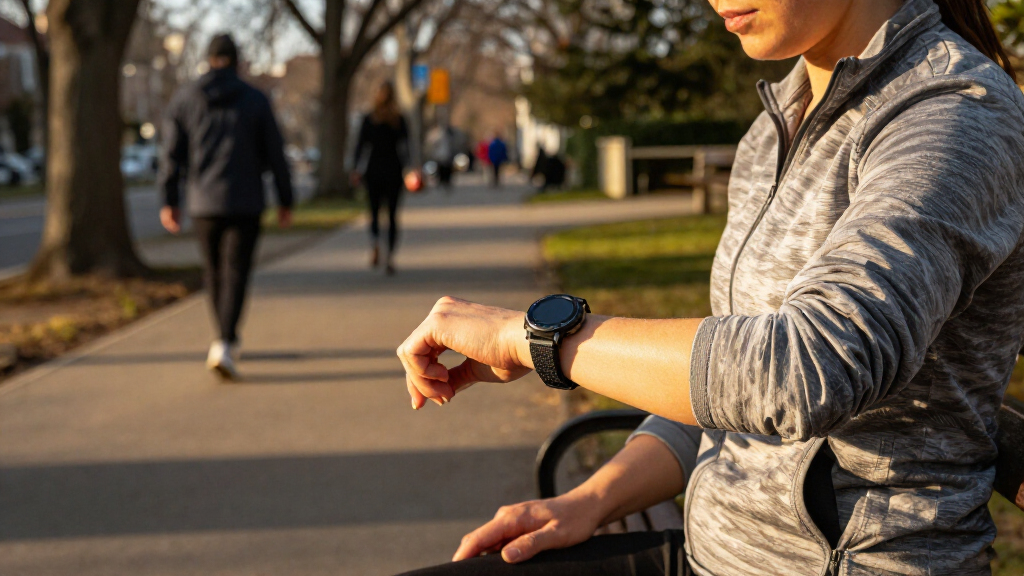
A wrist heart-rate sensor detects changes in blood flow near the skin, so its readings generally fare better during steady activity than during rapid movement or some strength exercises.
Key takeaways
1

Use tracker readings to notice patterns over time, not to diagnose yourself from a single number.

2

Expect step, heart-rate, sleep, and oxygen estimates to vary with the device, activity, fit, and person.

3

For blood pressure or glucose used in medical decisions, follow your clinician’s advice and use an appropriate validated device.

4

Before buying, check purpose, comfort, phone compatibility, ongoing costs, and the app’s data practices.

5

Treat alerts as prompts to seek context; don’t use a consumer reading alone to judge an urgent health problem.

Step by step
1
How to Pick a Tracker That Fits Your Real Routine
Choose a device by starting with the job you want it to do, then checking whether you can comfortably use it day after day.
Before you orderOffer from Amazon

Get health and wellness essentials delivered free with Prime

  • Fast, free delivery on millions of items
  • Prime Video, Amazon Music and more included
  • Member-only deals all year
Start your free Prime trial Free trial for eligible customers · Cancel anytime
As an affiliate, we earn on qualifying purchases.

What Personal Health Tracking Devices Can Tell You

Personal health tracking devices use sensors and software to collect information about your activity, sleep, heart rate, or other measures. They range from smartwatches and fitness bands to rings, connected scales, blood pressure monitors, glucose monitors, and medical-grade wearable sensors. The shape may change, but the basic idea is similar: a device gathers signals and turns them into readings or trends. A fitness band might count steps and estimate active minutes. A ring may track sleep timing and temperature trends, while a connected cuff records blood pressure. Some devices use sensors to collect information about one measure; others combine several readings in an app. A weekly chart can make a gradual change easier to spot than trying to remember how you felt on Tuesday. Think of a tracker like a weather station for personal health tracking: it can show patterns, but one reading doesn’t explain the whole climate. If you sleep poorly for one night after a late flight, that single data point matters less than a repeated shift over several weeks. The device reports an estimate; your life supplies the context. Features have expanded beyond basic step counts and heart-rate tracking. Depending on the product and location, you may see temperature or oxygen estimates, stress-related scores, longer-term trend views, and irregular-rhythm notifications. These features do different jobs, and their regulatory status varies by feature and country. Check what a specific feature is cleared or authorized to do where you live, since product claims and rules can change.

Products Worth Considering

Philips Sonicare ProtectiveClean 5300 Rechargeable Electric Toothbrush with 3 Brush Heads, Black

Philips Sonicare ProtectiveClean 5300 Rechargeable Electric Toothbrush with 3 Brush Heads, Black

Philips Sonicare DiamondClean 9300 Electric Toothbrush, 2 Brush Heads, Black

Philips Sonicare DiamondClean 9300 Electric Toothbrush, 2 Brush Heads, Black

As an affiliate, we earn on qualifying purchases.

Which Readings Are Useful—and Where Accuracy Can Slip

A tracker is most useful when you understand what a reading estimates and when the sensor may struggle. Step counts can reveal broad activity trends, for example, but your watch and phone may disagree because they detect movement differently. That mismatch usually says more about measurement methods than about which device has the one true number. Wrist heart-rate sensors use light to detect changes in blood flow near the skin. They tend to work better during steady movement, such as a relaxed jog, than during rapid movement, strength training, or activity that disrupts contact with your wrist. A snug fit may help, though a band that pinches is no good for all-day wear. If your watch shows an odd spike while you’re lifting groceries, pause and consider the context before drawing conclusions. Sleep features usually estimate duration and stages from movement and physiological signals. A device may label a night as “light” or “deep” sleep, but those labels are not the same as results from a clinical sleep study. If you wake rested but your app gives you a low sleep score, don’t let a simplified number erase your own experience. Blood oxygen estimates can shift with fit, movement, circulation, or cold skin. Blood pressure and glucose carry higher medical stakes: a smartwatch estimate is not automatically equivalent to a validated cuff, and noninvasive glucose claims deserve careful scrutiny. If you rely on these measures for health decisions, follow a clinician’s advice and use an appropriate validated device.

How to Pick a Tracker That Fits Your Real Routine

Choose a device by starting with the job you want it to do, then checking whether you can comfortably use it day after day. A shopper who wants a nudge to take a lunchtime walk needs a different feature set from someone asked by a clinician to record blood pressure at home. The price tag alone won’t tell you which one fits. Use these checks before you buy:
  1. Name your goal. Decide whether you want general activity awareness, a particular measurement, or support managing a health condition.
  2. Check evidence and authorization. Look for independent testing and, for medical use, authorization for the specific feature where you live.
  3. Try the fit and daily routine. Consider comfort, screen readability, language, dexterity, charging frequency, and whether you can wear it during sleep or exercise.
  4. Check compatibility and full cost. Confirm the phone, operating system, apps, subscriptions, and replacement accessories you’ll need.
  5. Review data controls. Find out what the app collects, where data is stored, who can access it, and whether you can export or delete it.

Picture a person who wants to take more walks after work. A simple band that feels comfortable and holds a charge may serve them better than a feature-packed watch that sits on the charger every evening. If your goal is a medical measurement, ask your clinician which type of device is suitable before paying for a product that may only offer an estimate. The best match is the one that serves your actual routine and purpose.

How to Read Alerts Without Letting Them Take Over

Treat an alert as a prompt to check the situation, not as a diagnosis or a guarantee that something is wrong. Consumer devices can flag unusual readings or patterns, but the meaning depends on the feature, the device, and what is happening to you. An alert can be useful information to discuss with a qualified health professional; the number alone cannot explain your health. Suppose your watch sends an irregular-rhythm notification while you’re sitting on a train. Note when it happened and what you were doing, then follow the device’s guidance and contact a clinician for advice about what to do next. Don’t assume the notification proves a condition, and don’t ignore serious symptoms because a watch shows a reassuring reading. For urgent breathing problems, a consumer oxygen estimate should not be your sole guide to seeking help. A tracker can support self-management when you need to keep a record. For example, someone asked to measure blood pressure at home may use a validated cuff and a simple log to bring readings to an appointment. That record gives a clinician something concrete to review. Follow the professional’s instructions about the device and measurement routine; a smartwatch estimate may not be an acceptable substitute. Numbers often look more certain than they are. Like a car’s dashboard warning light, an alert points you toward a check—it doesn’t provide a full inspection. Save relevant readings or trends if your clinician wants them, and ask what signals should prompt a call, a routine appointment, or urgent care.

Protect Your Data and Keep Tracking in Perspective

Health-related data can be sensitive, so check the app’s privacy settings and sharing permissions before you start wearing a device. Look for details about where information is stored, whether it may be used for advertising or research, how to secure your account, and how to delete or export your data. Privacy rules differ by location and by service; a consumer app may not have the same legal protections as a healthcare provider. For example, if you connect a new smartwatch to a phone, review which apps can see your activity and whether friends, family, or other services can view your records. A few minutes in settings can prevent a step-count app from sharing more than you expected. Strong account security also matters because a health dashboard can reveal routines, sleep times, and other personal details. Tracking can also shape how you feel. A daily score may encourage you to move, yet checking it every hour can make an ordinary fluctuation feel like a verdict. If a sleep score leaves you tense before breakfast, try looking at a weekly pattern instead of judging each night. Some people may find that less frequent checking—or no tracking—works better for their wellbeing. Use the information that helps you act, and let the rest pass. A missed step goal after a rainy day is not a personal failure; it’s a data point about one day. If tracking is causing persistent worry or interfering with sleep, consider changing notifications, taking a break, or discussing the concern with a qualified professional.

Frequently Asked Questions

How accurate are smartwatches and fitness trackers?

Accuracy depends on the device, measure, fit, activity, and person. Step counts can help show broad trends, while wrist heart-rate sensors often perform better during steady movement than rapid motion or some strength exercises. Treat the reading as an estimate, not a universal measurement standard.

Can a smartwatch diagnose an irregular heartbeat or heart attack?

A device may offer an irregular-rhythm notification, but a consumer alert does not by itself diagnose a condition. It also cannot rule out an emergency. Ask a qualified health professional how to interpret a notification, and seek urgent care for serious or concerning symptoms.

Are wearable sleep-stage measurements reliable?

Wearables estimate sleep stages using movement and physiological signals. Their labels are not equivalent to a clinical sleep study, so use them as rough patterns rather than a clinical assessment. If an app’s score conflicts with how you feel or you have ongoing sleep concerns, discuss those concerns with a professional.

Can a watch measure blood pressure or glucose accurately?

Some products offer estimates, but those features are not automatically interchangeable with validated blood pressure cuffs or appropriate glucose monitors. If you need either measure for medical decisions, ask your clinician which device and method to use. Check authorization for the specific feature where you live.

Who can see the health data my tracker collects?

Access depends on the device, app settings, connected services, and local rules. Review sharing permissions, account security, data storage, and options to export or delete information. A consumer app may not receive the same legal protections as a healthcare provider.

Can tracking become stressful?

Yes, some people find frequent scores or alerts stressful, especially when they treat every fluctuation as a warning. You can change notification settings, check longer-term trends less often, or take a break. If tracking affects your wellbeing, consider discussing it with a qualified professional.

Conclusion

Pick a device for one clear purpose, learn what its readings can and can’t tell you, and use the patterns to support practical choices or a conversation with your clinician. Your tracker can keep the notes; you and a qualified professional bring the context. Let the numbers inform your day, then put the screen away and get on with living it.
This article is for informational purposes only and is not medical advice. Always consult a qualified healthcare professional about your specific situation.
You May Also Like

Bioengineered Chewing Gum May Offer A Way To Fight HPV And Other Microbes

Scientists develop bioengineered chewing gum that may help combat HPV and other pathogens, offering a new approach to infection prevention.

The Simple “Analog Basket” That Helps Me Unplug

A personal story about creating an accessible, physical activity basket to replace mindless screen time and promote genuine relaxation.

Regeneron Pharmaceuticals Surges In Global Coverage

Regeneron Pharmaceuticals experiences a significant increase in global media mentions, signaling heightened public and industry interest.

Another Win For Novel Drug, This Time In EGFR-Mutated Lung Cancer

A phase III China trial found longer progression-free survival with izalontamab brengitecan than chemotherapy after EGFR-targeted treatment stopped working.