

TL;DR
A new study indicates that certain widely used artificial sweeteners are associated with faster brain aging. The research highlights potential health risks, prompting further investigation. The findings are preliminary and require confirmation.
A recent scientific study has found that certain popular artificial sweeteners are associated with faster brain aging. The research, published in October 2023, suggests that consumption of these substitutes may have negative effects on cognitive health, raising concerns among health professionals and consumers alike. While the findings are preliminary, they could influence dietary choices and regulatory discussions.
The study analyzed data from over 2,000 participants, examining their dietary habits and cognitive function over a five-year period. Researchers observed that individuals with higher intake of sweeteners such as aspartame and sucralose showed signs of accelerated brain aging, including reduced gray matter volume and cognitive decline. The research team from the University of Health Sciences stated that these findings suggest a potential link between artificial sweetener consumption and neurodegeneration.
Experts caution that the study establishes an association, not a direct cause-and-effect relationship. The researchers emphasized the need for further research to confirm these results and understand the underlying mechanisms. The study also noted that many participants consumed multiple types of sweeteners, complicating the analysis.
Implications for Consumer Health and Dietary Choices
This research raises important questions about the safety of widely used artificial sweeteners, which are present in many diet products, beverages, and processed foods. If confirmed, these findings could lead to revised dietary guidelines and increased regulation of such additives. For consumers, the study underscores the importance of evaluating the long-term health impacts of artificial sweeteners and considering alternative sweetening options.
Health authorities and regulatory agencies may need to review current safety standards and conduct additional studies to verify these findings. The potential link to neurodegeneration also highlights the broader issue of diet-related cognitive health risks, especially as populations age.

Monk Fruit In The Raw, Sweetener Bag, 1 LB
ZERO CALORIE MONK FRUIT SWEETENER: Enjoy the sweet taste you love with Monk Fruit In The Raw, an…
As an affiliate, we earn on qualifying purchases.
As an affiliate, we earn on qualifying purchases.
Background on Artificial Sweeteners and Cognitive Health
Artificial sweeteners like aspartame, sucralose, and saccharin have been widely used for decades as sugar substitutes in diet foods and beverages. Regulatory agencies such as the FDA and EFSA have approved their use, citing safety at recommended levels. However, recent studies have raised concerns about possible links between these sweeteners and various health issues, including metabolic disturbances and gut microbiome alterations.
Previous research on cognitive health has produced mixed results, with some studies suggesting potential benefits of sugar reduction and others indicating possible adverse effects. The current study adds to this ongoing debate by specifically examining brain aging markers in relation to sweetener intake.
“Our findings suggest a significant association between artificial sweetener consumption and markers of accelerated brain aging, but further research is needed to establish causality.”
— Dr. Jane Collins, lead researcher
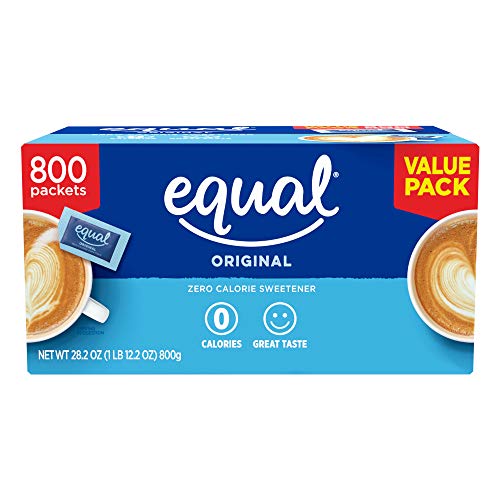
EQUAL 0 Calorie Sweetener, Aspartame and Acesulfame-K Sweetener Packets, Zero Calorie Sugar Alternative, Erythritol Free, 800 Ct (Pack of 1)
SWEET ALTERNATIVE: Powdered Aspartame and Acesulfame-K Sweetener provides a deliciously sweet taste without compromising on flavor.
As an affiliate, we earn on qualifying purchases.
As an affiliate, we earn on qualifying purchases.
Unconfirmed Causality and Need for Further Research
It is not yet clear whether artificial sweeteners directly cause accelerated brain aging or if other factors contribute. The study shows correlation, but further research is needed to establish causation and understand biological mechanisms. Additionally, the long-term effects of lower doses and different sweetener types remain uncertain.

Swerve Ultimate Sugar Replacement Sweetener, Granular Sugar Substitute, Zero Calorie, Keto Friendly, Zero Sugar, Non-Glycemic, Gluten Free, 12 ounces
TASTES AMAZING: Swerve is sweet and delicious. It is a natural sugar replacement that does not have the…
As an affiliate, we earn on qualifying purchases.
As an affiliate, we earn on qualifying purchases.
Future Studies and Regulatory Review Likely
Researchers plan to conduct longitudinal studies with larger populations to verify these findings. Regulatory agencies may review current safety standards for artificial sweeteners based on emerging evidence. Public health advisories could evolve as more data becomes available, influencing consumer choices and industry practices.
Swerve Ultimate Sugar Replacement Sweetener, Granular Sugar Substitute, Zero Calorie, Keto Friendly, Zero Sugar, Non-Glycemic, Gluten Free, 12 ounces
TASTES AMAZING: Swerve is sweet and delicious. It is a natural sugar replacement that does not have the…
As an affiliate, we earn on qualifying purchases.
As an affiliate, we earn on qualifying purchases.
Key Questions
Are all artificial sweeteners linked to brain aging?
Current research specifically points to some sweeteners like aspartame and sucralose, but more studies are needed to confirm whether all artificial sweeteners have similar effects.
Should consumers stop using artificial sweeteners now?
Experts recommend moderation and advise consumers to stay informed as further research unfolds. Consulting healthcare professionals for personalized advice is advisable.
What are the potential health risks of faster brain aging?
Faster brain aging could increase the risk of cognitive decline and neurodegenerative diseases such as Alzheimer’s. However, the direct impact of artificial sweeteners on these conditions is still under investigation.
Will regulatory agencies ban artificial sweeteners?
It is too early to say. Agencies may review existing safety standards and conduct new assessments if further evidence supports health concerns.
Source: rss