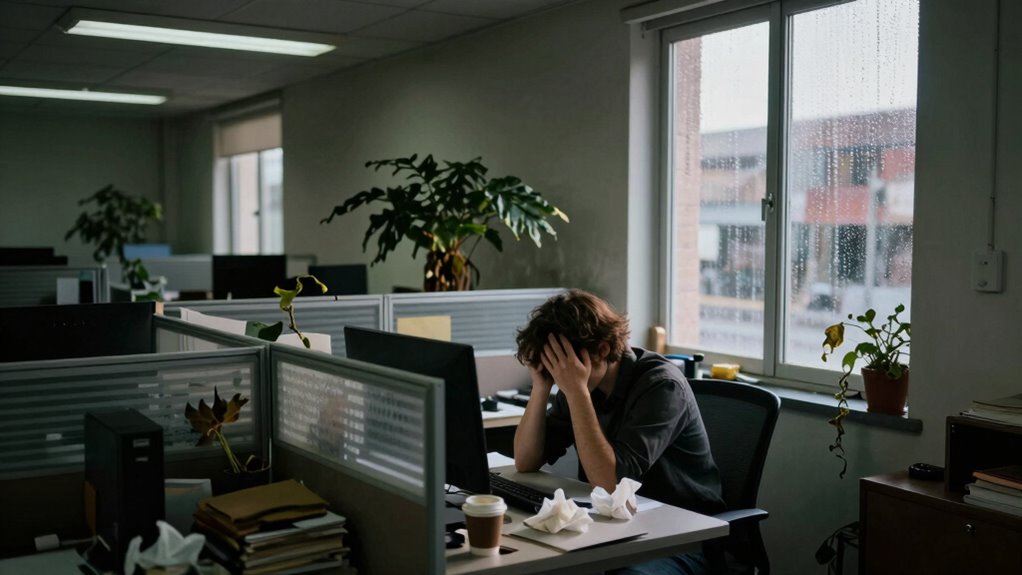

Sick Building Syndrome (SBS) is a real issue that affects many people. If you notice symptoms like headaches or fatigue while indoors, it might be related to poor air quality and indoor pollutants. Factors such as inadequate ventilation, chemical-filled building materials, and moisture can worsen these symptoms. While some skeptics blame psychological factors, it’s vital to take into account the environmental impacts. There’s much more to explore about SBS and how you can create a healthier indoor environment.
Key Takeaways
- Sick Building Syndrome (SBS) involves real health symptoms linked to indoor environments, often improving when individuals leave the affected building.
- Common symptoms of SBS include headaches, fatigue, and respiratory issues, indicating a potential health risk for occupants.
- Poor indoor air quality, inadequate ventilation, and toxic building materials are primary contributors to SBS symptoms.
- Some skeptics attribute SBS symptoms to psychological factors rather than environmental causes, leading to ongoing debates about its validity.
- Awareness and proactive management of indoor air quality can help prevent SBS and improve occupant well-being.

Purivortex Air Purifiers for Bedroom, Covers Up to 880 Sq Ft, PX500 Black
- Covers Large Areas: Covers up to 880 sq ft
- Fast Air Purification: Purifies a 215 sq ft room in 15 min
- High-Efficiency Filtration: Removes 99.97% of pollutants
As an affiliate, we earn on qualifying purchases.
As an affiliate, we earn on qualifying purchases.
Understanding Sick Building Syndrome: Definitions and Symptoms
What exactly is Sick Building Syndrome (SBS), and how can it affect you? SBS refers to a situation where occupants of a building experience a range of symptoms linked to the indoor environment, often caused by indoor pollutants. You might notice symptoms like headaches, fatigue, or respiratory issues that seem to improve when you leave the building. The variability of these symptoms can be puzzling; some people might feel fine, while others may struggle profoundly. Factors like ventilation, humidity, and the presence of chemicals can exacerbate the issue, making it essential to be aware of your surroundings. Understanding SBS can help you identify potential problems and advocate for a healthier indoor environment, ensuring that you feel your best while at work or home. Additionally, just like color accuracy is important for optimal visual experiences in home theaters, ensuring good air quality is crucial for a healthy indoor atmosphere. Implementing an effective air purifier can significantly enhance the air quality and mitigate the symptoms associated with SBS. In fact, enhancing your indoor environment could be as vital as maintaining a healthy battery life for electric bikes, which is essential for peak performance. Moreover, unplanned weather changes can also impact indoor air quality by affecting ventilation and humidity levels, further complicating the situation. The integration of smart appliances can also contribute to better air quality management and overall comfort in modern living spaces.

V2262-50 7 Inch Bathroom Exhaust Fan, 50 CFM, 1.0 Sones, 7" Ceiling Exhaust Fan, for 8 Inch Diameter Rough-in Opening, Ideal Ventilation for Bathroom, Laundry Room, Mobile Home, Kitchen & Garage
- Effective Ventilation: Removes odors, moisture, and grease
- Quiet Operation: Reduces vibrations for quieter use
- Durable Design: Built for long-lasting performance
As an affiliate, we earn on qualifying purchases.
As an affiliate, we earn on qualifying purchases.
Common Causes of Sick Building Syndrome
Identifying the symptoms of Sick Building Syndrome is just the start; understanding its causes is key to addressing the problem. One major cause lies in poor air quality, often stemming from inadequate ventilation and the buildup of pollutants. If you’re working in a space with stale air, it can lead to discomfort and health issues. Additionally, certain building materials can contribute to the problem. For instance, materials that emit volatile organic compounds (VOCs) can compromise your indoor environment. These include paints, adhesives, and even some furniture. By recognizing these common causes, you can take proactive steps to improve air quality and choose safer building materials, ultimately creating a healthier workspace for yourself and others. Implementing proper ventilation techniques can significantly enhance indoor air quality and mitigate the effects of Sick Building Syndrome. Furthermore, maintaining clean piercings is essential to prevent infection and irritation in body modifications, which can also contribute to overall well-being. Moreover, understanding the importance of composting to improve soil health can inspire you to create a more sustainable environment, benefiting both indoor and outdoor spaces. Incorporating water chemistry principles into your building maintenance can also help in creating a healthier atmosphere for occupants. Furthermore, prioritizing quality assurance practices in building design can lead to safer and more efficient environments for all users.

LEVOIT Air Purifier for Home Allergies and Pets Hair Smokers in Bedroom, H13 True HEPA Filter, 24db Filtration System Cleaner Odor Eliminators, Remove 99.97% Dust Smoke Mold Pollen, Core 300, White
- AHAM Verified for Performance: Independently tested for air quality and efficiency
- Powerful Filtration System: 56W motor with 143 CFM CADR
- Effective for Large Rooms: Cleans 222 sq ft 4.8 times/hour
As an affiliate, we earn on qualifying purchases.
As an affiliate, we earn on qualifying purchases.
The Role of Indoor Air Quality and Ventilation
While you might not realize it, indoor air quality and ventilation play essential roles in your overall well-being at work. Poor air quality can lead to discomfort and health issues, making it important to prioritize effective air filtration systems. These systems help remove pollutants, allergens, and other harmful particles from the air you breathe. Understanding airflow dynamics is also critical; it ensures that air circulates effectively throughout the space. Proper ventilation allows fresh air to replace stale air, reducing the risk of accumulating toxins. By focusing on improving indoor air quality and optimizing ventilation, you can create a healthier workspace that enhances productivity and well-being. Additionally, investing in sauna and cold-plunge systems can significantly enhance your daily performance. Don’t underestimate the impact of clean air and good airflow on your daily performance. Additionally, investing in premium, thoughtfully curated essentials can significantly enhance the quality of your indoor environment. Moreover, ensuring that your home has a reliable whole-house filtration system can greatly contribute to better air quality by reducing contaminants that may affect your health.

DREO 3L Humidifiers for Bedroom, 30H Runtime, 26 dB Quiet, New Edition
- Large Capacity Tank: 3L tank for 30 hours of humidification
- Top-Fill Design: Easy to refill without spills
- Wide Coverage Area: Humidifies up to 300 sq ft
As an affiliate, we earn on qualifying purchases.
As an affiliate, we earn on qualifying purchases.
The Debate: Is Sick Building Syndrome a Real Health Risk?

Many people experience symptoms like headaches, fatigue, and respiratory issues in their workplaces, leading to discussions about Sick Building Syndrome (SBS). The debate continues over whether SBS is a genuine health risk or simply a product of psychological factors. Some argue that modern building materials and poor ventilation contribute considerably to these symptoms, while others believe that stress and workplace dynamics play a larger role. Additionally, the rise of AI Cybersecurity Jobs highlights the importance of creating safe and healthy workplace environments to protect employees from various risks. Proper ventilation is essential for maintaining air quality in office spaces, as indoor air pollution can significantly impact health and productivity. Furthermore, voiceover ads can be utilized to raise awareness about SBS and promote healthier workplace practices.
Here’s a quick overview of the perspectives:
| Supporters of SBS | Skeptics of SBS |
|---|---|
| Link symptoms to building materials | Attribute symptoms to psychological factors |
| Advocate for better air quality | Emphasize workplace stress and culture |
| Recommend building assessments | Question the validity of SBS diagnosis |
Ultimately, the debate remains complex and ongoing. Furthermore, the reliance on cloud services has been highlighted in various sectors, emphasizing the need for improved workplace environments to mitigate health risks.
Strategies for Prevention and Management of Sick Building Syndrome

To effectively prevent and manage Sick Building Syndrome (SBS), it is vital to focus on improving indoor air quality and creating a healthier workspace. Start with smart building design that maximizes ventilation and incorporates natural light. Regular maintenance of HVAC systems ensures pollutants are minimized. Utilizing energy-efficient cloud servers can also support remote work solutions that reduce the need for physical office spaces. Additionally, adopting high-quality imaging equipment can help in monitoring air quality more effectively. Implementing robotic cleaning solutions can further enhance the cleanliness of the workspace by reducing dust and allergens.
You should also promote employee awareness about SBS symptoms and encourage feedback on workplace conditions. This way, you’ll create a culture where everyone feels comfortable reporting concerns. Implementing air quality monitors can provide real-time data, helping you identify issues early.
Additionally, consider using non-toxic materials in your office space to further enhance air quality. By taking these proactive steps, you not only protect employee health but also boost productivity and morale. Using essential oils, such as eucalyptus oil, can help further improve the overall indoor air quality and promote a healthier environment.
Frequently Asked Questions
Can Sick Building Syndrome Affect Mental Health or Productivity?
Yes, sick building syndrome can considerably affect your mental health and workplace productivity. Poor air quality, inadequate lighting, and environmental toxins create discomfort and stress, leading to decreased focus and motivation. When you’re constantly battling headaches, fatigue, or irritability, your ability to perform at your best diminishes. By improving your work environment, you can enhance your well-being, which in turn boosts your productivity and overall job satisfaction. Prioritizing a healthy space is essential.
How Is Sick Building Syndrome Diagnosed by Medical Professionals?
When it comes to diagnosing sick building syndrome, “an ounce of prevention is worth a pound of cure.” Medical professionals assess your symptoms in relation to indoor air quality and use diagnostic criteria that consider environmental factors. They’ll often evaluate your work environment and may recommend air quality tests. By pinpointing the connection between your symptoms and your surroundings, they can help identify if the building’s conditions are affecting your health.
Are Specific Buildings or Locations More Prone to Sick Building Syndrome?
Yes, specific buildings or locations can be more prone to Sick Building Syndrome. Factors like poor ventilation systems and certain building materials play a significant role. If a building uses materials that emit volatile organic compounds or has inadequate airflow, it increases the likelihood of health issues among occupants. You should pay attention to the environment of your workspace, as these elements directly impact your well-being and comfort.
What Legal Rights Do Employees Have Regarding Sick Building Syndrome?
Think of your workplace as a ship; you deserve a safe voyage. You have legal rights regarding sick building syndrome, including employee protections that guarantee a healthy environment. If you experience health issues linked to your workspace, you can report them to your employer and may have the right to request inspections or accommodations. Familiarize yourself with OSHA regulations and local laws to safeguard your well-being and hold your employer accountable.
How Can Employees Advocate for Better Indoor Air Quality?
You can advocate for better indoor air quality by proposing ventilation improvements and initiating air quality monitoring in your workplace. Start by discussing your concerns with management, presenting data on how poor air quality affects health and productivity. Suggest forming a committee to regularly assess air quality and recommend solutions. Engaging colleagues can amplify your voice, making it clear that a healthier work environment benefits everyone. Don’t hesitate to bring in outside experts if necessary.
Conclusion
In summary, while some might dismiss Sick Building Syndrome as overhyped, it’s essential to recognize its potential impact on health and productivity. By prioritizing indoor air quality and addressing common causes, you can create a healthier work environment. After all, wouldn’t you want to guarantee that your workplace supports your well-being rather than detracts from it? Taking proactive steps can make all the difference in preventing and managing this condition effectively.