
TL;DR
Listen free for 30 days with Audible
Thousands of audiobooks and originals — cancel anytime.
Start your free trialAs an affiliate, we earn on qualifying purchases.
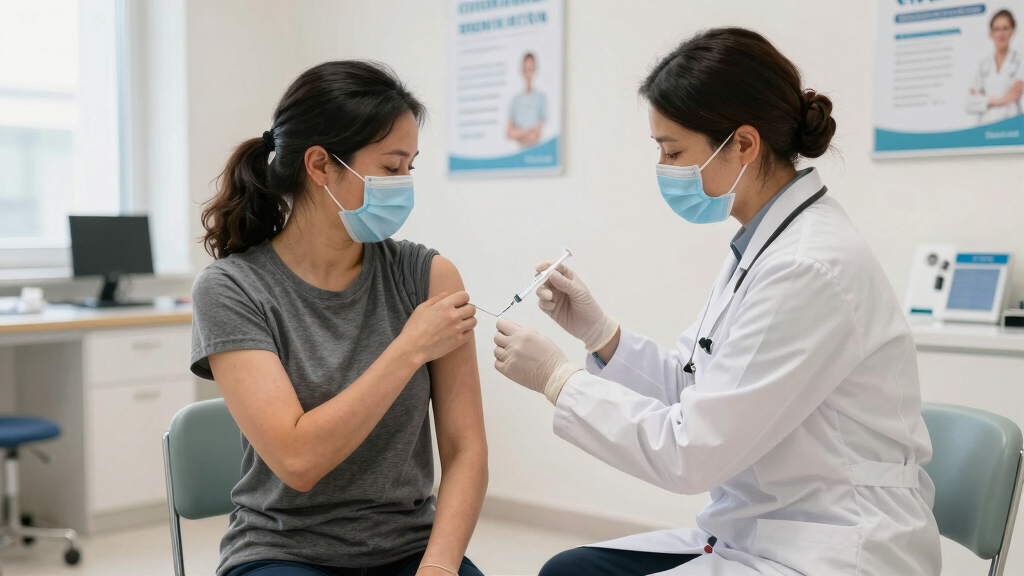
Germany’s Standing Committee on Vaccination (STIKO) has issued updated recommendations for COVID-19 vaccinations. The new guidelines specify target groups and dosing intervals based on current epidemiological data, aiming to optimize protection. The update reflects ongoing efforts to adapt vaccination strategies to the pandemic’s evolution.
The Standing Committee on Vaccination (STIKO) in Germany has released updated recommendations for COVID-19 vaccination, specifying new target groups and dosing intervals to enhance protection against the virus. This decision reflects ongoing adjustments to vaccination strategies amid changing pandemic conditions and emerging variants.
According to the official statement from STIKO, the new guidelines recommend booster doses for specific populations, including immunocompromised individuals, residents of care facilities, and those over 60 years of age. The committee also suggests extending the interval between the initial vaccine doses and boosters in certain groups, based on current epidemiological data and vaccine efficacy studies.
STIKO clarified that the recommendations are based on recent scientific evidence indicating the need for sustained immunity, especially among vulnerable populations. The guidelines do not mandate vaccination but serve as a framework for healthcare providers and policymakers to optimize immunization efforts.
Health authorities emphasize that these recommendations are subject to periodic review and may be adjusted as new data on virus variants and vaccine performance become available. The update aims to balance immunization coverage with logistical considerations in ongoing vaccination campaigns.
Implications for Germany’s COVID-19 Vaccination Strategy
The new recommendations are significant because they influence vaccination priorities and schedules across Germany, potentially affecting millions of residents. By targeting vulnerable groups and adjusting dosing intervals, STIKO aims to bolster immunity where it is most needed, potentially reducing severe cases and hospitalizations.
This update also signals ongoing efforts by German health authorities to adapt to the evolving pandemic landscape, including the emergence of new variants and vaccine effectiveness concerns. The guidelines could impact vaccine rollout plans, resource allocation, and public messaging around COVID-19 prevention.
COVID-19 booster vaccine for vulnerable populations
As an affiliate, we earn on qualifying purchases.
As an affiliate, we earn on qualifying purchases.
Background and Evolution of STIKO’s COVID-19 Recommendations
STIKO has regularly updated its COVID-19 vaccination guidelines since the start of the pandemic, reflecting new scientific insights and epidemiological developments. The most recent prior update focused on expanding booster eligibility to broader age groups and vulnerable populations.
In Germany, vaccination campaigns initially prioritized healthcare workers and at-risk populations, with booster doses introduced in late 2021. As the virus evolved, STIKO recommended shorter intervals and additional booster doses for immunocompromised persons, with ongoing revisions based on vaccine efficacy data and variant circulation.
The current update continues this trend, emphasizing targeted protection for high-risk groups and optimizing dosing schedules to maintain immunity levels in the population.
“The updated STIKO recommendations are based on the latest scientific evidence, aiming to strengthen protection for vulnerable populations and adapt our vaccination strategy to the current situation.”
— Prof. Lothar H. Wieler, President of RKI
COVID-19 vaccination schedule reminder app
As an affiliate, we earn on qualifying purchases.
As an affiliate, we earn on qualifying purchases.
Uncertainties Regarding Future Vaccine Adjustments
It remains unclear how frequently STIKO will review and update its recommendations in response to emerging variants or new vaccine data. The impact of the current guidelines on vaccination uptake and public compliance is also still being evaluated.
Additionally, the committee has not specified whether future updates will include new vaccine formulations or additional booster doses beyond those currently recommended.
immunocompromised person COVID-19 protection kit
As an affiliate, we earn on qualifying purchases.
As an affiliate, we earn on qualifying purchases.
Next Steps in Germany’s COVID-19 Vaccination Policy
STIKO is expected to monitor the impact of the new guidelines closely and may revise recommendations as new scientific evidence emerges. Health authorities will communicate any further updates and adjust vaccination campaigns accordingly.
Further data collection on vaccine effectiveness against variants and real-world outcomes will inform future decisions. Public health officials will also continue to promote vaccination among prioritized groups and address vaccine hesitancy.
COVID-19 vaccine storage refrigerator
As an affiliate, we earn on qualifying purchases.
As an affiliate, we earn on qualifying purchases.
Key Questions
Who are the main target groups for the new COVID-19 booster recommendations?
The recommendations primarily target immunocompromised individuals, residents of care facilities, and people over 60 years of age, among others identified as vulnerable populations.
Will the new guidelines change the vaccination schedule for the general population?
According to STIKO, the focus is on high-risk groups and specific dosing intervals. The general population may see minimal changes unless further updates are issued.
Are these recommendations mandatory for healthcare providers?
No, the guidelines are recommendations intended to guide healthcare providers and policymakers. Vaccination remains voluntary for individuals.
Could future updates include new vaccine formulations?
Yes, STIKO has indicated that future revisions may incorporate new vaccine types or formulations as they become available and are evaluated for safety and efficacy.
Source: google-trends
Pool season Picks
robotic pool cleaners
As an affiliate, we earn on qualifying purchases.