
TL;DR

Get health and wellness essentials delivered free — and shop member deals
- Fast, free delivery on millions of items
- Access to Prime Big Deal Days deals on October 6–7
- Prime Video, Amazon Music and more included
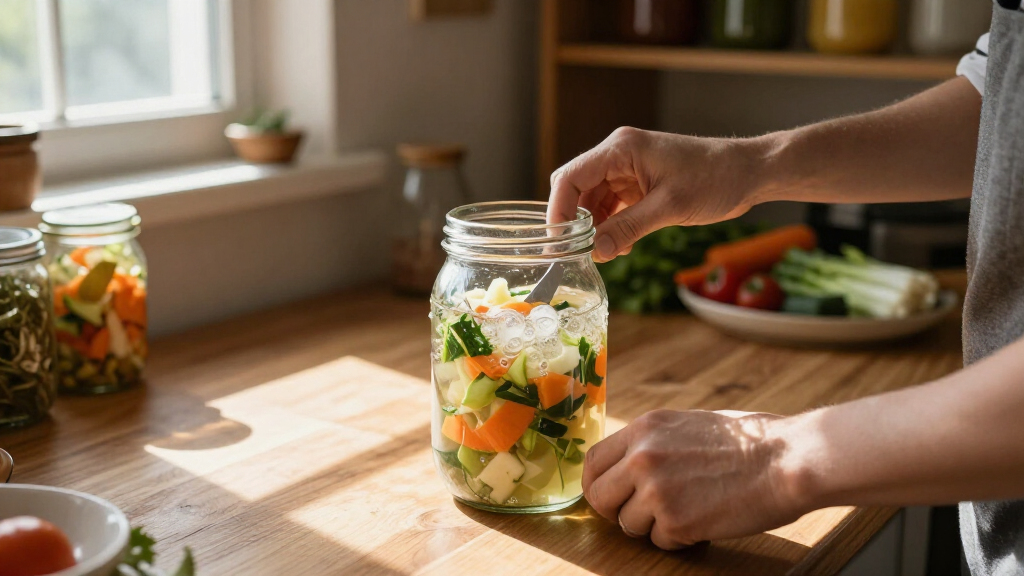
Recent reports indicate that a widely consumed fermented food might help eliminate nanoplastics from the body. While preliminary studies show promise, further research is needed to confirm these claims. The development has garnered significant public attention due to rising concerns over plastic pollution.
Recent reports have highlighted that a popular fermented food may help the body eliminate nanoplastics, substances increasingly found in the environment and food supply. Going To Museums, Movies, And Theater May Help Your Body Stay Younger While the claim is gaining traction among health enthusiasts and online communities, scientific confirmation remains limited. This development is significant because it could offer a dietary approach to address concerns over plastic pollution’s impact on human health.
Multiple sources and early-stage studies suggest that consuming a specific fermented food, widely known for its probiotic properties, might aid in flushing nanoplastics from the human body. The food in question is commonly used in traditional diets and has been linked to various health benefits, including gut health and immune support.
However, it is important to note that the current evidence is primarily based on preliminary research, animal studies, and anecdotal reports. No peer-reviewed clinical trials have yet confirmed that this fermented food can effectively remove nanoplastics or reduce their accumulation in humans.
Public interest has surged following social media posts and health blogs discussing the potential detoxification benefits. Scientists caution that while the idea is plausible—given the gut’s role in filtering toxins—the actual efficacy against nanoplastics remains unproven and requires rigorous scientific validation.
Potential Impact on Public Health and Awareness
If proven effective, this fermented food could represent a simple dietary intervention to mitigate the health risks associated with nanoplastics, which are increasingly detected in food, water, and human tissues. It could also raise awareness about environmental pollution and the importance of diet in managing toxin exposure. Nonetheless, experts emphasize that relying solely on food for detoxification is premature without solid scientific backing, and it should not replace established health advice or environmental actions to reduce plastic pollution.
As an affiliate, we earn on qualifying purchases.
Rising Concern Over Nanoplastics in Food and Environment
Nanoplastics—tiny plastic particles less than 100 nanometers in size—have become a growing concern due to their widespread presence in oceans, air, and food supplies. Studies have detected nanoplastics in seafood, drinking water, and even human tissues, raising questions about their health effects. Research into how these particles interact with the human body is still in early stages, but initial findings suggest they may accumulate in tissues and potentially cause health issues.
The idea that diet could influence nanoplastic detoxification is not new; however, recent spikes in online discussions and media coverage have brought renewed attention to specific foods believed to support detox processes. The current trend appears to be driven by a combination of scientific curiosity and public concern over environmental contamination.
As an affiliate, we earn on qualifying purchases.
Unconfirmed Scientific Evidence and Ongoing Research
Currently, there is no definitive scientific proof that this fermented food can effectively remove nanoplastics from the human body. Most claims are based on early-stage studies, animal models, or anecdotal reports. Researchers emphasize that well-designed clinical trials are needed to establish any causal relationship and determine safe, effective dosages.
It remains unclear how much of the nanoplastics could be eliminated through diet alone, or whether certain individuals might benefit more than others. The extent of nanoplastic accumulation in humans and the potential health implications are still under active investigation.
natural nanoplastics detox supplement
As an affiliate, we earn on qualifying purchases.
As an affiliate, we earn on qualifying purchases.
Next Steps in Scientific Validation and Public Guidance
Researchers are expected to conduct controlled clinical studies to test the detoxification potential of this fermented food against nanoplastics. Meanwhile, public health authorities are likely to monitor emerging evidence and issue guidance as appropriate. Consumers are advised to maintain a balanced diet and stay informed about ongoing research, without relying solely on dietary changes for detoxification.
As an affiliate, we earn on qualifying purchases.
Key Questions
Can eating this fermented food completely remove nanoplastics from my body?
There is currently no scientific evidence that this food can fully eliminate nanoplastics. More research is needed to confirm any detoxification effects.
Is it safe to consume large amounts of this fermented food for detox purposes?
While generally safe as part of a balanced diet, consuming large quantities without medical guidance is not recommended. Consult a healthcare professional for personalized advice.
How are nanoplastics harmful to human health?
Research suggests nanoplastics could accumulate in tissues and potentially cause inflammation or other health issues, but definitive effects are still being studied.
Should I start eating more fermented foods now?
Eating fermented foods can be part of a healthy diet, but they should not be relied upon solely for nanoplastic detoxification. Stay informed through scientific updates and consult health professionals for guidance.
Source: rss
Fall Picks
fall essentials
As an affiliate, we earn on qualifying purchases.