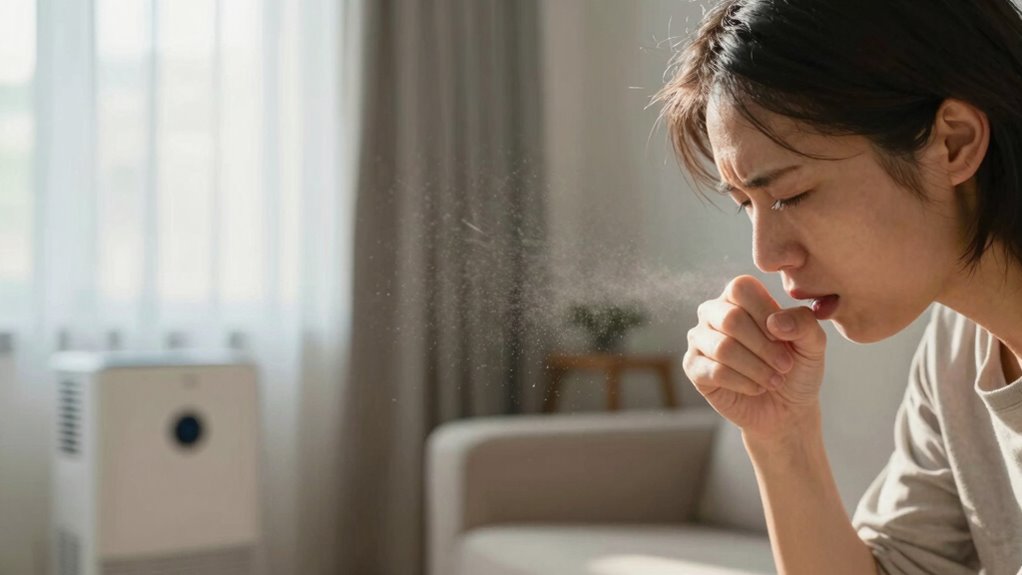

If your indoor air symptoms like headaches, dizziness, or respiratory issues persist despite cleaning and good ventilation, it’s time to get professional help. Ongoing symptoms, visible mold, or signs of hidden hazards mean you could be exposed to indoor pollutants or mold that aren’t easy to spot. Worsening health problems or new allergies also signal the need for expert assessment. Keep exploring to understand how professionals can help safeguard your indoor environment.
Key Takeaways
- Symptoms persist despite cleaning or ventilation efforts, indicating possible hidden indoor pollutants or mold.
- Visible mold, musty odors, or signs of hidden growth require professional assessment and remediation.
- New or worsening respiratory issues after renovations, new furniture, or cleaning suggest indoor air quality problems.
- Exposure to airborne toxins, VOCs, or allergens from household products calls for specialized testing.
- Chronic health problems linked to indoor environment, especially with no improvement over time, need expert evaluation.
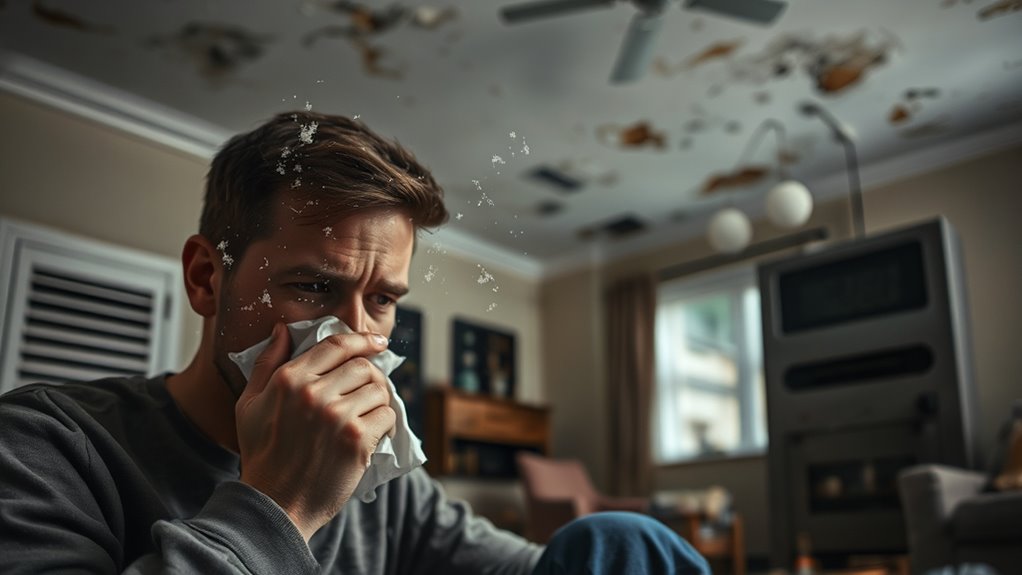
Indoor air quality can markedly impact your health, especially if you notice persistent symptoms like headaches, dizziness, or respiratory issues. When you spend a significant amount of time indoors, such as at home or work, you’re exposed to a range of potential pollutants like dust, mold, volatile organic compounds (VOCs), and allergens. If these irritants build up without intervention, they can cause ongoing health problems that don’t improve with simple remedies. Recognizing when to seek professional help is vital to protecting your well-being and guaranteeing your indoor environment is safe.
Poor indoor air quality can cause ongoing health issues; seek professional help if symptoms persist.
You should consider consulting an expert if your symptoms persist despite basic measures like increasing ventilation or cleaning regularly. For example, if you continue experiencing headaches, fatigue, or throat irritation over weeks or months, it indicates that something in your indoor environment might be seriously affecting your health. Persistent respiratory issues, such as coughing, wheezing, or shortness of breath, should also prompt professional assessment. These signs often point to exposure to mold or airborne toxins that require specialized testing and remediation.
Another key indicator that you need professional assistance is the presence of visible mold growth or a musty odor. Mold can grow behind walls, under flooring, or in hidden areas, making it difficult to detect without trained eyes. If you notice any signs of mold, don’t delay in calling a specialist. Mold exposure has been linked to respiratory problems, allergic reactions, and even more severe health concerns, especially for children, elderly individuals, or those with compromised immune systems. Mold remediation involves thorough cleaning and sometimes structural repairs, which are beyond routine cleaning efforts.
If you or your family develop new allergic reactions, asthma symptoms, or other respiratory conditions that seem to worsen indoors, it’s time to seek professional help. An indoor air quality specialist can perform detailed testing to identify pollutants, allergens, or toxins in your environment. They can assess ventilation systems, check for sources of VOCs, and recommend specific solutions to mitigate hazards. Ignoring these symptoms can lead to chronic health problems and may worsen existing conditions.
In addition, if you’ve recently renovated or introduced new furnishings, and symptoms emerge shortly after, it’s wise to have your indoor air tested. New furniture, paints, or carpets can emit VOCs, which can cause immediate or delayed health symptoms. Professionals can pinpoint these sources and suggest ways to improve air quality.
Ultimately, if your health symptoms seem to be linked to your indoor environment and don’t improve with basic actions, trusting trained experts becomes essential. They have the tools and knowledge to identify hidden hazards, eliminate pollutants, and create a healthier indoor space. Your health depends on recognizing these warning signs early and taking action to guarantee your indoor air is safe to breathe. Additionally, understanding indoor air quality and its effects can help you make informed decisions about maintaining a healthier environment.

Mold Test Kit for Home – 12 Simple Detection Tests,Test HVAC System,Home Surfaces,& Indoor Air Quality Testing Kits,DIY Mold Detector at Home,Includes Detailed Mold Identification Guide,air Tester
The Kayenqo Mold Test Kit contains 12 test plates, detailed mold guide and mold removal instructions, 12 swabs,…
As an affiliate, we earn on qualifying purchases.
As an affiliate, we earn on qualifying purchases.
Frequently Asked Questions
Can Allergies Cause Indoor Air Symptoms to Worsen?
Yes, allergies can definitely worsen indoor air symptoms. When you’re exposed to allergens like dust, pet dander, or mold indoors, your immune system reacts, causing symptoms like sneezing, congestion, or itchy eyes. These allergens can also trap in your indoor air, making it harder to breathe comfortably. To reduce symptoms, you might need to improve ventilation, clean regularly, or seek professional help to identify and eliminate specific allergens.
How Often Should I Test Indoor Air Quality?
You should test your indoor air quality at least once a year, or more often if you notice persistent symptoms or unusual odors. Think of it as giving your lungs a spa day—only instead of relaxing massages, you’re checking for mold, dust, and chemicals. Regular testing helps catch hidden issues early, saving you from ongoing discomfort and costly repairs down the line. Don’t wait—your lungs deserve better!
Are There Quick Fixes for Indoor Air Problems?
Yes, there are quick fixes for indoor air problems. You can increase ventilation by opening windows and doors, use air purifiers with HEPA filters, and clean surfaces regularly to reduce dust and allergens. Additionally, controlling humidity levels with dehumidifiers or fans helps prevent mold growth. While these steps can improve air quality quickly, persistent issues may require professional assessment and remediation for lasting relief.
What Professional Services Are Available for Air Quality Issues?
You can turn to HVAC specialists, indoor air quality consultants, or environmental health experts for professional assistance. They perform detailed inspections, identify pollutants, and recommend solutions like advanced filtration systems or air purifiers. Some services also include duct cleaning and mold remediation. By consulting these professionals, you guarantee your home’s air quality improves, reducing health risks and creating a safer, more comfortable environment for you and your family.
How Long Does It Typically Take to See Improvements After Remediation?
You’ll usually notice improvements within a few days to a week after remediation, depending on the severity of the indoor air quality issue. For minor problems, symptoms often lessen quickly as pollutants decrease. However, more serious contamination may take longer, sometimes several weeks, to fully resolve. Keep monitoring your symptoms and maintain good ventilation during this period to support faster improvements and guarantee a healthier indoor environment.
Mold Test Kit for Home – 12 Simple Detection Tests,Test HVAC System,Home Surfaces,& Indoor Air Quality Testing Kits,DIY Mold Detector at Home,Includes Detailed Mold Identification Guide,air Tester
The Kayenqo Mold Test Kit contains 12 test plates, detailed mold guide and mold removal instructions, 12 swabs,…
As an affiliate, we earn on qualifying purchases.
As an affiliate, we earn on qualifying purchases.
Conclusion
So, next time your indoor air turns into a toxic sitcom, don’t just suffer in silence. If your sneezes come with a side of dizziness or your cough feels more like a permanent guest, it’s time to call in the pros. After all, your lungs deserve better than a DIY disaster. Remember, ignoring these signs is like inviting trouble to stay – and trust us, that’s one guest you don’t want to host.
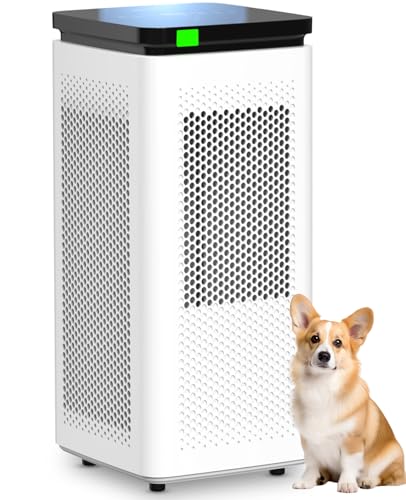
Air Purifiers for Home Large Rooms up to 3500 Ft², H13 True HEPA 0.1 Micron 99.97% Filtration with Carbon Filter, 235 CFM CADR, Removes Allergens, Pet Odor, Smoke, VOCs, 30dB Sleep Mode, PM2.5 Display
H13 True HEPA + Carbon Filter – Removes Allergens, Odors & Smoke: Equipped with H13 True HEPA (0.1μm,…
As an affiliate, we earn on qualifying purchases.
As an affiliate, we earn on qualifying purchases.
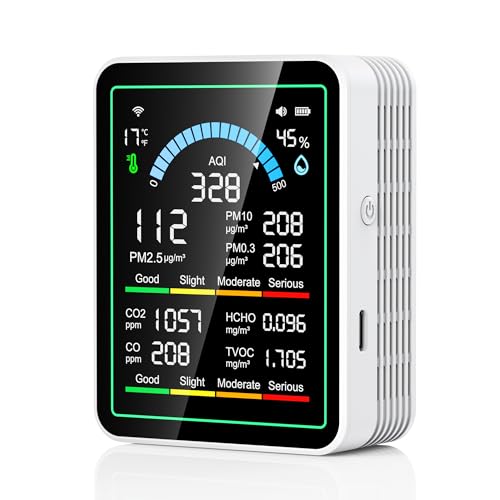
Air Quality Monitor Indoor, 10 in 1 Portable Smartair Quality Tester for CO2 | CO | TVOC | HCHO | Temp | AQI | PM0.3-1 Detection Hum for Home Cars Plants, Pets, Car, Hotel
【10-in-1 Smart Air Quality Monitor: Your All-Round Environmental Guardian】 This portable intelligent air quality tester delivers ultra-precise multi-gas…
As an affiliate, we earn on qualifying purchases.
As an affiliate, we earn on qualifying purchases.