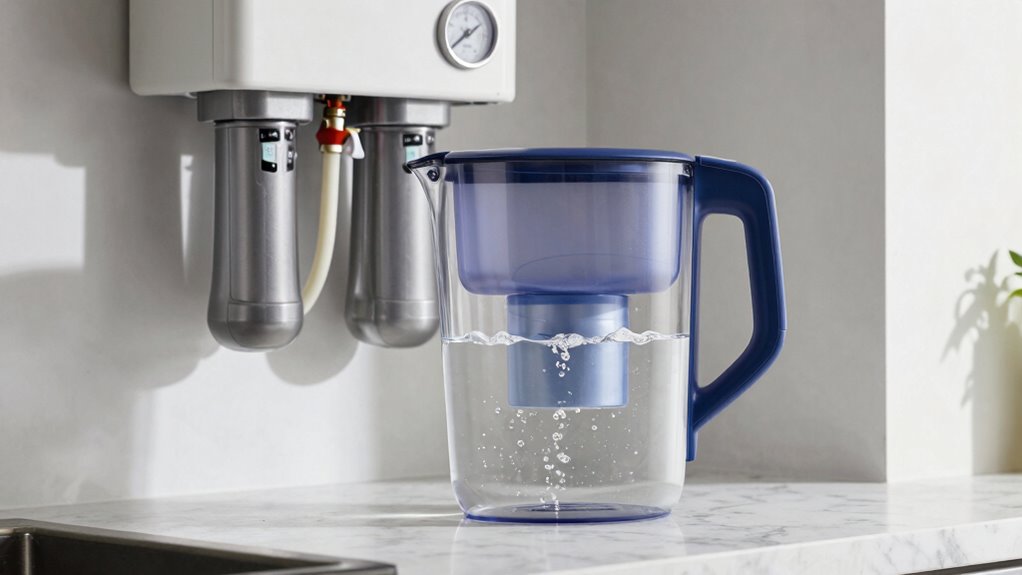

A bigger strategy for whole-home filtration guarantees you maintain consistent, high-quality water that keeps your family safe and healthy. It involves understanding your water’s specific conditions, investing in the right components, and regularly testing for contaminants. Proper maintenance prevents system breakdowns and adapts to changing needs. By planning ahead, you can avoid surprises and keep your water clean long-term. Stay with us to discover how a tailored approach makes all the difference.

Get health and wellness essentials delivered free — and shop member deals
- Fast, free delivery on millions of items
- Access to Prime Big Deal Days deals on October 6–7
- Prime Video, Amazon Music and more included
Key Takeaways
- Addressing diverse water contaminants requires a tailored, comprehensive filtration plan rather than a one-size-fits-all approach.
- Ongoing maintenance and regular testing are essential to ensure consistent water quality and system efficiency.
- Water conditions vary by location, demanding strategic upgrades and specialized filters for optimal protection.
- A proactive, long-term strategy reduces costs, prevents system failures, and adapts to changing household needs.
- Integrating water quality insights helps create a sustainable filtration system that maintains safety and performance.
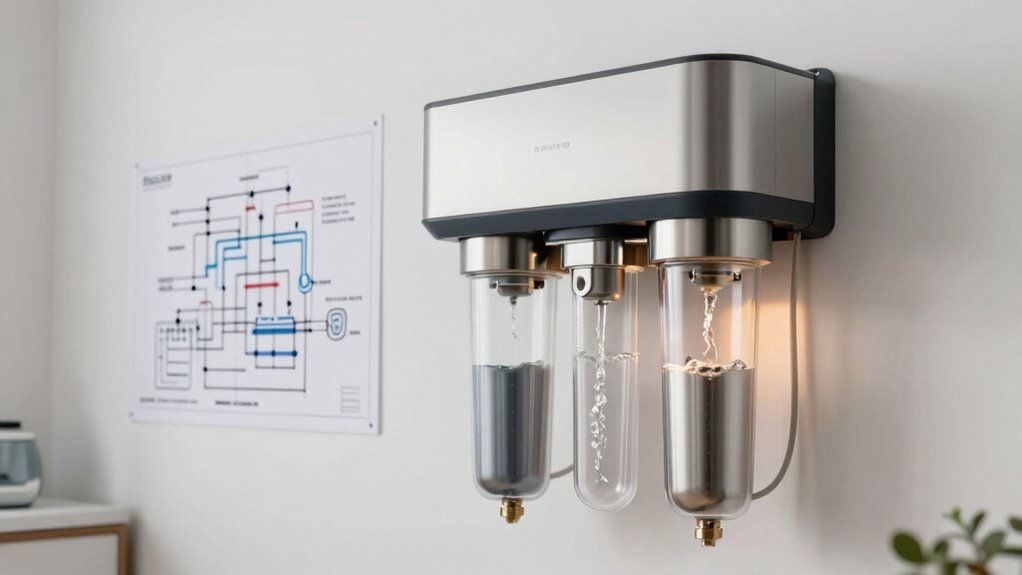
Are you aware of the benefits a whole-home filtration system can bring to your household? It’s more than just cleaner water—it’s about improving your home’s overall water quality and ensuring your family’s health. When you install a whole-home filtration system, you’re making a smart investment in your living environment. But to truly maximize its benefits, you need to think beyond just the initial setup. A bigger strategy involves understanding the importance of ongoing filtration maintenance and tailoring your approach to your specific water conditions.
Water quality can vary greatly depending on your location and source. Well water, municipal water, or even old plumbing can introduce contaminants or impurities that a standard filtration system might not fully address. That’s why a thorough strategy is essential. You don’t want to rely solely on the equipment; instead, you should develop a plan for regular filtration upkeep. Proper maintenance ensures that filters don’t become clogged or less effective over time, which could compromise water quality. It’s easy to forget that filters need inspection, cleaning, or replacement, but neglecting this can lead to reduced flow rates, foul odors, or worse—contaminants slipping through.
Regular filter inspections and maintenance prevent clogs, odors, and contaminants from compromising your water quality.
A broader filtration approach involves scheduling routine checks and staying informed about your water’s specific issues. For example, if your water has high mineral content, you might need specialized filters or additional treatment stages. If your water source has known contaminants like lead or chloramine, your filtration system should be capable of removing those effectively. Regular testing of your water quality helps you identify when it’s time to replace filters or upgrade your system, ensuring continuous safe water flow throughout your home. Being aware of water quality challenges can help you make more informed decisions about your filtration needs. Incorporating proper filtration maintenance into your routine is also crucial for preventing long-term issues and ensuring the system’s efficiency. Additionally, understanding the types of contaminants present in your water can guide you in choosing the most effective filtration solutions. Recognizing the importance of sustainable practices can help reduce environmental impact and support a healthier ecosystem.
You also have to think about the longevity of your filtration system. Investing in quality components and maintaining them properly reduces long-term costs and prevents unexpected breakdowns. It’s not just about installing filters; it’s about creating a sustainable plan that keeps your water clean year-round. Remember, filtration maintenance isn’t a one-time event, but an ongoing process that adapts to changing water conditions and household needs.
In essence, a broader filtration strategy means looking at your entire water system, understanding your specific water quality challenges, and prioritizing regular upkeep. This approach guarantees that your whole-home filtration system delivers the pure, safe water you need for drinking, cooking, and bathing. It’s about proactive management—so you’re not just reacting to problems, but preventing them altogether.
whole house water filtration system
As an affiliate, we earn on qualifying purchases.
As an affiliate, we earn on qualifying purchases.
Frequently Asked Questions
How Often Should I Replace My Filtration System Components?
You should replace your filtration system components based on their filtration lifespan and your replacement scheduling. Typically, filters need changing every 3 to 6 months, but check the manufacturer’s recommendations. Regular maintenance guarantees peak performance and water quality. Keep an eye on signs like reduced flow or odors, and don’t delay replacements, as consistent upkeep helps your whole-home filtration system work effectively and protects your health.
Can Whole-Home Filters Remove All Types of Contaminants?
Whole-home filters won’t wipe out all contaminant types, no matter how mighty they seem. They excel at filtering common contaminants like chlorine, sediment, and some metals, but face limitations with certain chemicals, viruses, and dissolved minerals. Recognize these filtration limitations and supplement your system when needed. Think of your filter as a strong shield, but not an all-encompassing armor, requiring a bigger strategy for total water purity.
What Is the Average Cost of Installing a Whole-Home Filtration System?
On average, installing a whole-home filtration system costs between $1,000 and $4,000, depending on water quality and system complexity. You’ll need to take into account the filter lifespan, which varies from 6 months to several years, impacting ongoing maintenance costs. Keep in mind that higher-quality systems can better address your water quality needs, but they may come with a higher initial investment. Proper planning guarantees your system effectively protects your home.
Do I Need Professional Help for Maintenance and Repairs?
Do you really want to risk DIY troubleshooting mistakes that could damage your system or void your warranty? While some maintenance tasks are simple, complex repairs and troubleshooting are best left to professionals. Hiring experts guarantees your system runs efficiently and protects your warranty coverage. Plus, professionals can spot issues early, saving you money and hassle down the line. Isn’t peace of mind worth investing in expert help?
How Does Water Pressure Affect Filtration System Performance?
Water pressure directly impacts your filtration system’s performance by affecting water flow. If pressure fluctuates or drops, the system may not filter effectively, leading to poor water quality. High pressure can cause damage or leaks, while low pressure reduces flow, hindering filtration. Regularly monitor your water pressure and address fluctuations promptly. Proper pressure guarantees ideal water flow, helps your system function efficiently, and extends its lifespan.
As an affiliate, we earn on qualifying purchases.
Conclusion
Think of your whole-home filtration system as the foundation of a sturdy house. When you build on a solid base, everything else stands strong. By developing a bigger strategy, you’re not just patching leaks—you’re creating a sanctuary of pure, healthy water for your family. Don’t settle for a quick fix; invest in an all-encompassing plan that protects your home and well-being for years to come. Your sanctuary deserves nothing less than a well-crafted, robust foundation.
sediment and contaminant water filter
As an affiliate, we earn on qualifying purchases.
As an affiliate, we earn on qualifying purchases.
As an affiliate, we earn on qualifying purchases.
Fall Picks
fall essentials
As an affiliate, we earn on qualifying purchases.