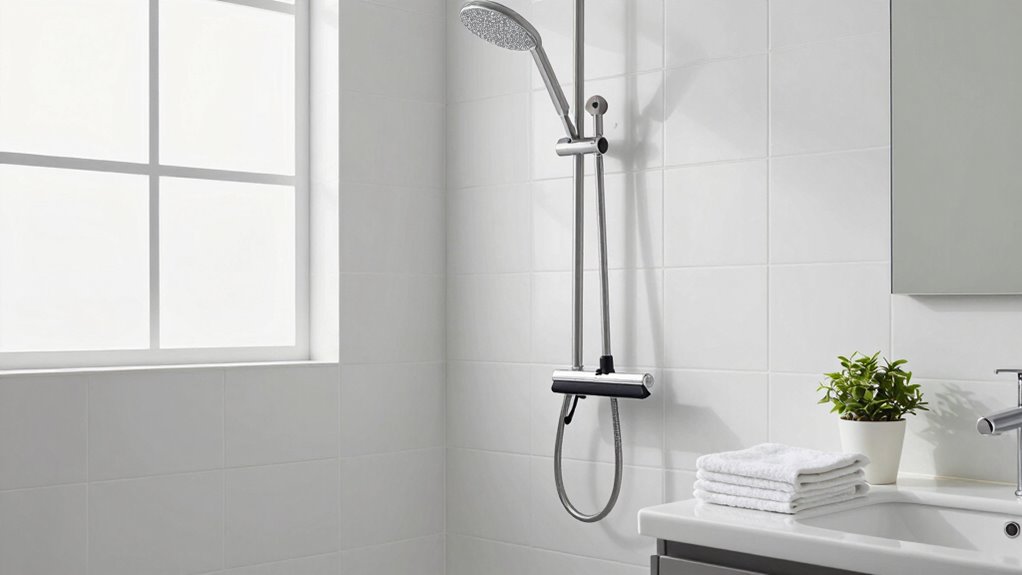

To prevent bathroom mold, adopt a simple 10-minute daily habit. Wipe down surfaces like countertops and tiles after use to remove moisture. Use exhaust fans during and after showers to lower humidity levels. Open windows for fresh air, especially during low outdoor humidity. Regularly inspect for leaks and mold around sinks and tubs. Applying mold-resistant paint can add extra protection. Want to learn more about maintaining a mold-free bathroom? There are easy DIY solutions ahead!
Key Takeaways
- Wipe down bathroom surfaces, especially around sinks and showers, daily to remove moisture and prevent mold growth.
- Run the exhaust fan during and for at least 20 minutes after showers to eliminate excess humidity.
- Inspect and repair caulking around tubs and sinks regularly to prevent water seepage and mold development.
- Open windows for ventilation during low outdoor humidity to improve airflow and reduce indoor moisture levels.
- Use natural cleaners like vinegar or baking soda to maintain cleanliness and deter mold formation effectively.

Voltset 4 Inch Duct Fan, Inline Ventilation Exhaust Fan, 280 CFM Duct Intake High Efficiency Air Fan for Vent Bathroom, Kitchen, Grow Tent, Hydroponics, 3D Printer
High-Efficiency 280 CFM Airflow - Powerful 2200 RPM motor delivers exceptional ventilation capacity. This 4 inch duct fan...
As an affiliate, we earn on qualifying purchases.
Understanding Mold Growth in Bathrooms

While you might not think twice about the moisture in your bathroom, it creates an ideal environment for mold growth. Mold thrives in humid conditions, and your bathroom often has the perfect combination of warmth and moisture. Mold spores are everywhere, ready to settle and grow if the conditions are right. To combat this issue, moisture control is essential. Ensure your bathroom is well-ventilated by using exhaust fans and opening windows when possible. Regularly check for leaks and repair them promptly, as any standing water can accelerate mold development. By keeping the humidity levels low and maintaining a dry environment, you can considerably reduce the chances of mold taking hold in your bathroom. Additionally, proper moisture management is key to preventing mold in other areas of your home. Understanding pool water chemistry can help you appreciate how similar moisture management techniques can be applied to other areas of your home. Furthermore, utilizing hydrotherapy techniques such as hot baths can also assist in reducing stress and keeping humidity in check. Natural oils in your bathroom products can also aid in reducing mold growth by providing a less hospitable environment for spores. Investing in high refresh rates and low input lag solutions can further enhance the comfort of your home environment by minimizing distractions from technology.
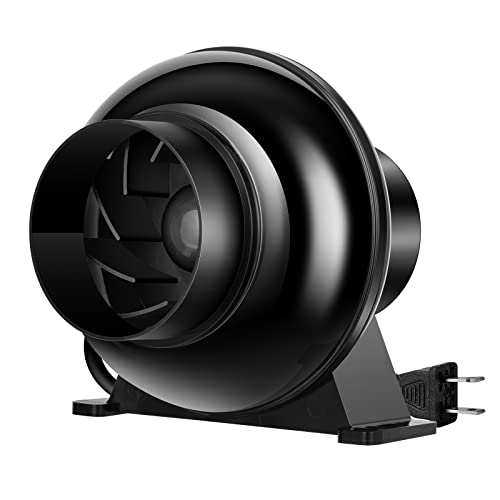
VIVOSUN D4 4 Inch 195 CFM Inline Duct Ventilation Fan, HVAC Vent Blower for Grow Tent, Attic, Basements or Kitchen, Hydroponics Exhaust Booster Fan
Powerful Airflow: This powerful blower with a fan speed of 2500 RPM can create an airflow of 195...
As an affiliate, we earn on qualifying purchases.
Daily Cleaning Habits

To keep mold at bay, you need to adopt some daily cleaning habits. Wiping surfaces after each use can remove moisture and prevent growth, while ventilating during showers helps reduce humidity. Additionally, using at-home beauty technology can help improve the overall cleanliness of your bathroom by incorporating gadgets that effectively manage air quality. Investing in smart appliances can further streamline your cleaning process and enhance efficiency. Making these small changes can considerably improve your bathroom’s air quality and cleanliness. Furthermore, adopting compassionate caregiving practices can enhance the well-being of seniors who may be more sensitive to mold and allergens. Additionally, understanding clean-home systems can further enhance your mold prevention efforts by ensuring effective moisture management throughout your space. Implementing best practices in cleaning routines contributes to a healthier environment by minimizing mold risks.
Wipe Surfaces After Use
When you finish using the bathroom, taking a moment to wipe down surfaces can considerably reduce the chances of mold growth. Use a microfiber cloth or paper towel to quickly clean counters, sinks, and faucets. Don’t forget to tackle areas around the tub or shower where water tends to accumulate. Regularly wiping these surfaces prevents moisture buildup, a key factor in mold development. If you’ve applied mold resistant paint and used silicone sealants, this task becomes even more effective, as these materials repel moisture. Additionally, understanding moisture control in your home can help you identify other areas prone to mold. A well-maintained space with high-quality air purifiers can further enhance your efforts in keeping the air clean and free from mold spores. Furthermore, maintaining good indoor air quality can help reduce allergens and improve overall health. Make it a daily habit; it’ll only take a few minutes and can save you from costly mold issues in the long run. Your bathroom will stay fresher, cleaner, and healthier for you and your family. Additionally, maintaining proper ventilation in the bathroom can further enhance moisture control and mold prevention. A clean and dry environment is essential for better sleep, as it helps create a more relaxing atmosphere conducive to rest.
Ventilate During Showers
After wiping down surfaces, another effective way to combat mold is by ensuring proper ventilation during your showers. When you shower, humidity levels can soar, creating a perfect environment for mold growth. To prevent this, always turn on your bathroom fan or crack a window open. This boosts air circulation and helps maintain humidity control. Even if you’re in a hurry, just a few minutes of ventilation can make a big difference. If your bathroom doesn’t have a fan, consider investing in one or leaving the door slightly ajar while you shower. By making this a daily habit, you’ll minimize moisture and keep mold at bay, leading to a healthier and fresher bathroom environment. Additionally, maintaining proper humidity levels in your home is essential for reducing mold risks. Incorporating proper ventilation techniques not only helps with moisture control but also enhances overall air quality in your bathroom. Furthermore, understanding the role of sustainable materials in reducing moisture retention can contribute to a healthier living space. Moreover, using transparent fee structures for necessary home improvements can help you budget effectively for upgrades like ventilation systems. Installing a good ventilation system can significantly reduce humidity levels by improving air circulation, which is crucial for mold prevention.

VIVOSUN 4" Inline Exhaust Fan & Speed Controller, Low Noise Workshop 130 CFM Duct Fan for HVAC Ventilation, Vent Booster Fan in Grow Tent, Basement, Bathroom, Kitchen, Attic, 3D Printer
Powerful Airflow: Delivers strong airflow up to 130 CFM, efficiently enhancing ventilation and removing exhaust; Ideal for grow...
As an affiliate, we earn on qualifying purchases.
Proper Ventilation Techniques

To keep mold at bay, you need to ensure your bathroom is well-ventilated. Using exhaust fans is vital for removing excess moisture, so make sure they’re running during and after showers. Additionally, don’t forget to open windows regularly to let fresh air circulate and further reduce humidity levels. Incorporating proper ventilation techniques can significantly enhance air circulation and decrease the likelihood of mold growth. Air circulation is essential for maintaining a dry environment, which is crucial for preventing mold spores from settling and proliferating. Moreover, understanding industry trends in moisture control can help you adopt more effective strategies for bathroom maintenance.
Use Exhaust Fans
Since moisture builds up quickly in bathrooms, using exhaust fans is essential for maintaining proper ventilation. These fans help eliminate excess humidity, preventing mold growth and improving air quality. Whenever you take a shower or bath, turn on the exhaust fan to guarantee moisture doesn’t linger. Ideally, keep the fan running for at least 20 minutes after you’re done to fully clear the air. If your bathroom doesn’t have a built-in fan, consider installing one. You’ll notice a significant difference in humidity control, making your bathroom a healthier space. Remember, a well-ventilated bathroom not only combats mold but also creates a more comfortable environment. Regular use of exhaust fans is a quick and effective habit you should adopt.
Open Windows Regularly
Opening windows regularly can considerably enhance your bathroom’s ventilation. By allowing fresh air to flow in, you improve air circulation, which helps prevent mold growth. Make it a habit to open windows during and after showers to reduce humidity levels. Here are some tips for effective window maintenance and ventilation:
- Choose the right time: Open windows when outdoor humidity is low.
- Use screens: Install screens to keep insects out while letting air in.
- Check seals: Regularly inspect window seals for leaks and damages.
- Create cross-ventilation: Open multiple windows to increase airflow.
- Keep windows clean: Clean glass and frames to ensure maximum sunlight and air flow.
With these practices, you’ll keep your bathroom mold-free and fresh!

General Tools LCD Moisture Meter #MM8 - Leak and Humidity Detector - Pinless and Non-Invasive
HUMIDITY METER: It's ideal for measuring the moisture content of wood and construction materials. It features separate settings...
As an affiliate, we earn on qualifying purchases.
Keeping Surfaces Dry

While it might seem impossible to keep your bathroom completely dry, focusing on moisture control can considerably reduce the risk of mold growth. Start by ensuring all surfaces, like countertops and tiles, are wiped down after use. Pay special attention to areas around sinks and showers, where water often accumulates. Regular caulk maintenance is vital; inspect and replace any damaged caulk to prevent water seepage. Consider using mold resistant paint on your walls and ceilings, as it offers an extra layer of protection against moisture. By adopting these simple habits, you’ll keep surfaces dry and substantially lower the chances of mold taking hold in your bathroom. Remember, a few minutes daily can make a big difference!
The Importance of Regular Inspections

Regular inspections are essential for keeping your bathroom mold-free, as they allow you to catch potential problems before they escalate. By establishing a consistent inspection schedule, you enhance your mold detection efforts and create a healthier environment. Here are key areas to check during your inspections:
Regular bathroom inspections help you catch mold issues early, promoting a healthier living space.
- Shower and tub caulking: Look for cracks or mold growth.
- Under sinks: Check for leaks or water damage.
- Ventilation fans: Ensure they’re functioning properly to reduce humidity.
- Walls and ceilings: Inspect for discoloration or damp spots.
- Grout lines: Identify any signs of mold accumulation.
Easy DIY Mold Prevention Solutions

To keep mold at bay in your bathroom, you can easily implement a few DIY solutions that require minimal effort. Start by applying mold resistant paint to your walls and ceilings. This adds a protective barrier against moisture and keeps mold from taking hold. Next, incorporate natural cleaning agents like vinegar or baking soda into your routine. These are effective at removing existing mold and preventing new growth without harsh chemicals. Make it a habit to wipe down surfaces after showers, keeping moisture levels low. Additionally, guarantee proper ventilation by using exhaust fans or opening windows when possible. With these simple steps, you’ll create a healthier bathroom environment and reduce the risk of mold infestations.
Frequently Asked Questions
What Are the Health Risks Associated With Bathroom Mold Exposure?
Bathroom mold exposure can seriously affect your health. It can worsen indoor air quality, leading to respiratory issues, allergies, and asthma. If you’re sensitive, you might experience headaches, sneezing, or skin irritation. Prolonged exposure can even weaken your immune system, making you more susceptible to infections. It is crucial to address any mold issues promptly, as the longer you wait, the greater the risk to your health and well-being.
How Can I Tell if Mold Is Behind the Walls?
Imagine your walls as a hiding place for trouble, like a sneaky thief. To uncover mold lurking behind, start with a wall inspection. Look for mold indicators like water stains, peeling paint, or a musty smell. If you notice any of these signs, grab a flashlight and check for discoloration. Don’t forget to tap the wall; a hollow sound could mean there’s moisture inside. Trust your senses, and stay vigilant to protect your space!
Are There Specific Mold-Resistant Products for Bathrooms?
Yes, there are specific mold-resistant products for bathrooms. You should consider using mold-resistant paint, which helps prevent mold growth on walls and ceilings. Additionally, applying bathroom sealants around sinks, tubs, and showers creates a protective barrier against moisture. These products work together to keep your bathroom dry and free from mold, making it easier for you to maintain a healthy environment in your home. Don’t overlook these essential items!
Can I Use Natural Remedies to Remove Mold Effectively?
Think of mold like an uninvited guest at your party; you want it gone fast! You can definitely use natural remedies to remove mold effectively. Try a DIY cleaning solution with equal parts water and vinegar—it’s a powerhouse! Alternatively, baking soda mixed with water creates a paste that scrubs away stubborn spots. These natural ingredients aren’t just gentle on your home; they’re also safe for you and the environment. Say goodbye to that unwelcome guest!
How Often Should I Inspect for Mold in My Bathroom?
You should inspect your bathroom for mold at least once a month. Regular checks help maintain bathroom hygiene and allow you to catch any mold growth early. Pay attention to areas prone to moisture, like shower corners and under sinks. If you notice any signs, act quickly; mold prevention is key to keeping your bathroom healthy. Staying proactive will save you from bigger problems down the line.
Conclusion
By weaving these simple habits into your daily routine, you’re crafting a fortress against mold in your bathroom. Just ten minutes a day can keep that pesky invader at bay, transforming your space into a sanctuary. With proper ventilation, dry surfaces, and routine inspections, you’re not just cleaning; you’re cultivating a healthier home. Embrace these small changes, and you’ll watch your bathroom blossom into a mold-free oasis, inviting relaxation instead of worry.