
Airborne dust poses a greater immediate health risk because you breathe it directly into your lungs, potentially causing respiratory issues and allergies. Settled dust, on the other hand, mostly affects you over time through contact and disturbance, releasing allergens into the air. Both types can impact your health, but understanding how they behave can help you minimize exposure. Keep exploring to learn effective ways to reduce both dust types and protect your health.

Get health and wellness essentials delivered free — and shop member deals
- Fast, free delivery on millions of items
- Access to Prime Big Deal Days deals on October 6–7
- Prime Video, Amazon Music and more included
Key Takeaways
- Airborne dust is inhaled directly, posing immediate respiratory health risks, unlike settled dust which mainly affects health upon disturbance.
- Airborne dust can linger in the air for hours, increasing exposure, whereas settled dust remains on surfaces until disturbed or cleaned.
- Inhaled airborne particles can reach deep into the lungs, making it more directly harmful than settled dust.
- Settled dust can become airborne when disturbed, temporarily increasing exposure and health risks.
- Effective indoor air quality management requires controlling both airborne and settled dust through filtration, cleaning, and ventilation.
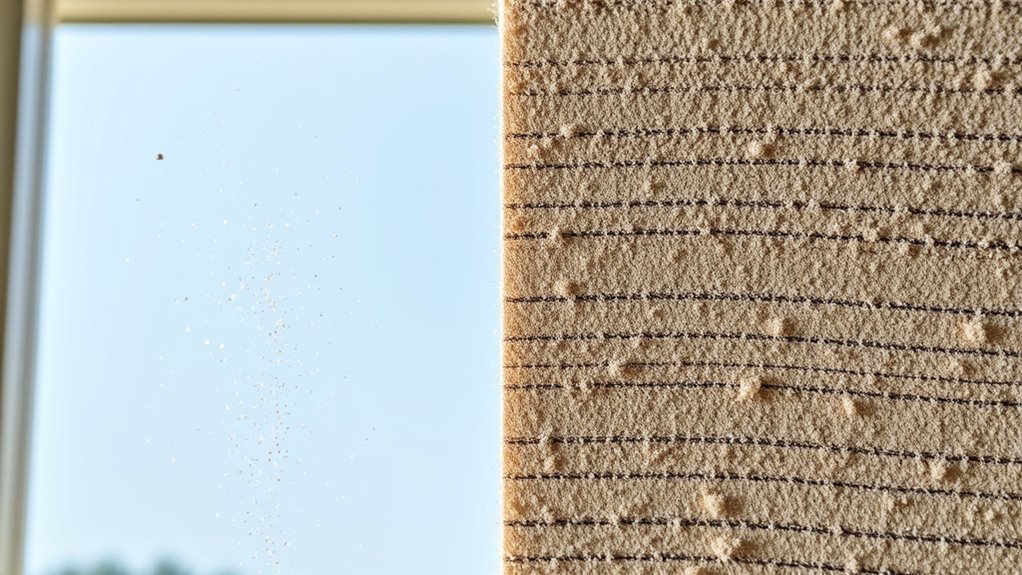
Dust can exist in two forms: airborne and settled. You might not realize it, but both types can impact your health and home environment differently. Airborne dust floats in the air, making it easy to inhale, while settled dust accumulates on surfaces, waiting to be disturbed. As you go about your day, these particles can mix and shift, but understanding their differences helps you determine which one poses a greater concern for your well-being.
Understanding the differences between airborne and settled dust helps protect your health and improve indoor air quality.
Airborne dust is particularly tricky because it’s constantly moving through the air, especially when you vacuum, sweep, or simply walk around. These tiny particles are small enough to be inhaled deep into your lungs, which can cause respiratory issues, allergies, or exacerbate asthma. When dust is airborne, it can linger in the air for hours or even days, especially in poorly ventilated spaces. You might notice dust particles swirling around with the slightest breeze or when you open a window, making it difficult to breathe comfortably or keep the air clean. Regular cleaning, using high-efficiency particulate air (HEPA) filters, and maintaining good ventilation can help reduce airborne dust.
Settled dust, on the other hand, tends to stay on surfaces like furniture, floors, and countertops. It’s composed of dead skin cells, pet dander, pollen, mold spores, and other tiny particles. When you dust or clean, you disturb this settled dust, temporarily releasing some into the air. While it might seem less immediate, settled dust can still affect your health, especially if it contains allergens or irritants. If you have allergies or respiratory sensitivities, you’re likely to be bothered by the dust that settles on your belongings, especially in places you frequently touch or where dust accumulates unnoticed over time. Regular dusting and wiping down surfaces can prevent the buildup of settled dust, which can later become airborne again.
Both types of dust are important to control, but airborne dust generally poses a more direct threat because of its ability to reach your lungs quickly. You might be less aware of it since it’s invisible until it’s disturbed or becomes visible as a haze. Maintaining good indoor air quality through air filtration systems and proper ventilation can significantly reduce the presence of airborne dust. Meanwhile, wiping down surfaces and dusting regularly prevent the buildup of settled dust, which can later become airborne again.
In the end, both forms of dust matter, but airborne dust tends to be more immediately harmful because of its inhalation risk. By understanding their differences, you can take targeted actions to minimize exposure and improve your indoor air quality, making your home healthier and more comfortable.
HEPA air purifier for dust removal
As an affiliate, we earn on qualifying purchases.
As an affiliate, we earn on qualifying purchases.
Frequently Asked Questions
How Can I Tell Which Type of Dust Is More Harmful?
You can tell which dust is more harmful by paying attention to symptoms like coughing, sneezing, or respiratory irritation, especially after cleaning or being in dusty areas. Airborne dust tends to cause immediate breathing issues, while settled dust might lead to long-term allergies. Use a dust monitor or get a professional assessment to accurately measure dust levels in your environment. If symptoms persist, consult a healthcare professional for proper evaluation.
Do Air Purifiers Effectively Reduce Airborne Dust?
Yes, air purifiers can effectively reduce airborne dust in your environment. Look for models with HEPA filters, which trap tiny particles, including dust mites, pollen, and pet dander. Regularly replacing or cleaning the filters guarantees peak performance. Keep windows closed during high pollen seasons and use the purifier consistently to improve indoor air quality, helping you breathe easier and reduce dust-related allergies or respiratory issues.
Can Settled Dust Become Airborne Again?
Yes, settled dust can become airborne again. When you vacuum, walk, or disturb surfaces, you stir up dust particles, lifting them into the air. Even simple activities like cleaning or airflow from windows and fans can resuspend dust. To minimize this, regularly dust and vacuum, and avoid disturbing surfaces unnecessarily. Using air purifiers with HEPA filters can help capture these particles before they settle again or become airborne.
Are Certain Environments More Prone to Airborne or Settled Dust?
Certain environments are more prone to airborne dust, especially those with lots of activity or air disturbance, like construction sites, factories, or busy households. Environments with poor ventilation or high humidity can also increase airborne dust levels. You’re more likely to encounter settled dust in places with minimal movement or less airflow, such as storage rooms or rarely used spaces. Regular cleaning and proper ventilation can help reduce your exposure in both settings.
What Are the Long-Term Health Effects of Dust Exposure?
Long-term dust exposure can lead to respiratory issues like asthma, bronchitis, and chronic cough. It may also cause lung scarring or decreased lung function over time. If you’re frequently exposed, you risk developing allergies or other immune responses. Dust can carry harmful microbes or chemicals, increasing your chances of infections or toxic effects. Protect yourself by minimizing dust exposure and wearing protective gear in dusty environments to safeguard your health.
As an affiliate, we earn on qualifying purchases.
Conclusion
In the battle between airborne and settled dust, both can impact your health, but airborne dust is the sneaky culprit that can quickly enter your lungs like a thief in the night. You might not see it, but it’s always around, ready to affect you. Keeping your environment clean is like locking the door—it’s your best defense. Stay vigilant, because even the tiniest particles can make a big difference in how you breathe and feel.
dusting and cleaning supplies for allergies
As an affiliate, we earn on qualifying purchases.
As an affiliate, we earn on qualifying purchases.
air quality monitor for indoor dust
As an affiliate, we earn on qualifying purchases.
As an affiliate, we earn on qualifying purchases.
Fall Picks
fall essentials
As an affiliate, we earn on qualifying purchases.