To minimize pollen exposure, it’s best to ventilate during mid-morning and late evening when outdoor pollen levels are lower. Early mornings and late afternoons usually experience peak pollen counts due to plant release times and increased winds. Weather conditions also matter, so wait for after rain or calm days for safer airflow. If you want to learn more about how to time your ventilation properly, you’ll discover useful tips for keeping indoor air healthier.

Get health and wellness essentials delivered free — and shop member deals
- Fast, free delivery on millions of items
- Access to Prime Big Deal Days deals on October 6–7
- Prime Video, Amazon Music and more included
Key Takeaways
- Ventilate indoors during mid-morning or late evening when pollen levels are typically lowest.
- Avoid opening windows early in the morning and late afternoon when pollen peaks.
- Check local pollen forecasts to identify the safest times for airing out spaces.
- Post-rain periods are ideal for ventilation due to reduced pollen counts.
- Calm weather conditions minimize pollen dispersal, making it better for ventilation.
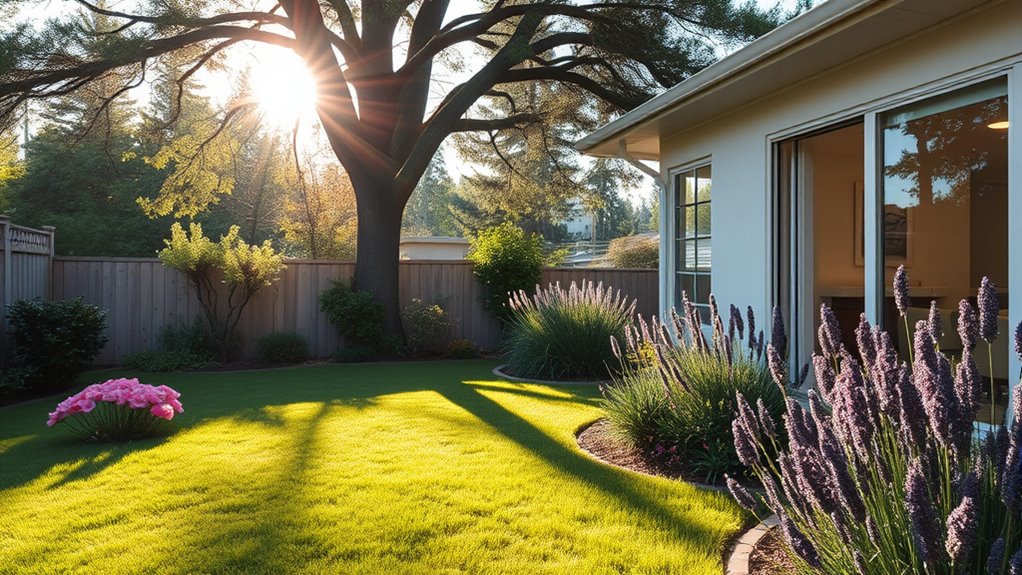
Have you ever wondered why pollen counts spike at certain times of the year? It’s a question many allergy sufferers ask, especially when they notice their symptoms worsen unexpectedly. The answer lies in the natural cycles of plants and the environment. Pollen production varies with seasons, weather, and even the time of day. During spring and early summer, plants like trees, grasses, and weeds release pollen in large quantities, aiming to reproduce. But it’s not just the season that influences pollen levels; the time of day plays a crucial role too.
Understanding when pollen counts are at their lowest can make a big difference in managing allergy symptoms. Typically, pollen levels are highest in the early morning and late afternoon. In the early hours, plants release pollen as part of their reproductive cycle, but the air often feels calmer and less windy, reducing pollen dispersal. As the day progresses toward midday and into the late afternoon, wind speeds tend to increase, aiding pollen travel and raising counts in the air. This means that ventilation during these times can actually introduce more pollen into your indoor environment if you’re not careful.
Pollen levels peak midday and late afternoon, making these times less ideal for ventilation.
If you want to minimize pollen exposure, it’s best to open windows and ventilate your home during mid-morning or mid-evening hours. Early morning, shortly after sunrise, usually offers the lowest pollen levels because plants have yet to ramp up their pollen release. Similarly, late evening, after the wind has calmed down and plants have finished their daily release cycle, tends to be a safer window for airing out your space. Checking local pollen forecasts can help you pinpoint these ideal times more precisely, especially during peak pollen seasons.
Another factor to consider is weather. On windy days, pollen gets stirred up and spreads more extensively, making ventilation riskier regardless of the time. Conversely, after a rainstorm, pollen counts drop considerably because rain washes pollen out of the air, creating a safer window for airing out your home. So, if you’re sensitive to pollen, it’s wise to plan your ventilation around calm, post-rain periods, ideally during mid-morning or late evening.
air purifier for pollen allergies
As an affiliate, we earn on qualifying purchases.
As an affiliate, we earn on qualifying purchases.
Frequently Asked Questions
How Does Pollen Vary With Different Weather Conditions?
Pollen levels fluctuate with weather conditions. When it’s windy, pollen disperses more widely, increasing airborne pollen. Conversely, rain washes pollen out of the air, decreasing levels temporarily. Warm, dry days tend to have higher pollen counts, while cooler, humid days reduce pollen presence. You should be cautious during windy and dry weather, as pollen levels are likely to be highest, affecting allergies and indoor air quality.
Can Ventilation Increase Indoor Pollen Levels?
Yes, ventilation can increase indoor pollen levels if you open windows or doors during times when outdoor pollen is high. To minimize this, ventilate early in the morning or late at night when pollen counts are lower. Using air purifiers with HEPA filters can also help reduce indoor pollen, ensuring better air quality. Always check local pollen forecasts before airing out your home to avoid pollen spikes.
Are There Specific Seasons With Higher Pollen Peaks?
Yes, you’ll find higher pollen peaks during spring and early summer, especially in late mornings and early afternoons when pollen counts are highest. During these seasons, outdoor pollen levels spike due to blooming plants and trees. If you want to ventilate indoors, it’s best to do so early in the morning or late in the evening when pollen levels are lower, helping to keep your indoor air cleaner.
How Does Urban Pollution Influence Pollen Dispersion?
Urban pollution can dramatically alter pollen dispersion, creating a confusing and unpredictable environment. As pollutants interact with pollen particles, they can carry them farther or cause them to settle prematurely, affecting allergy sufferers. You might notice more intense symptoms or higher pollen counts in polluted areas. This hidden influence underscores the importance of monitoring air quality. Stay vigilant, especially during peak pollution times, to protect yourself from the compounded effects of pollen and pollution.
What Indoor Plants Can Help Reduce Pollen Levels?
You can reduce pollen levels indoors by choosing plants like snake plants, spider plants, and peace lilies. These plants naturally filter the air, removing pollen and other pollutants. Place them in common areas for maximum benefit, and make sure to care for them properly to keep them healthy. Regularly dust their leaves and water them to ensure they work effectively at improving your indoor air quality.
As an affiliate, we earn on qualifying purchases.
Conclusion
Now that you know the best times to ventilate, you can protect yourself from pollen without sacrificing fresh air. By choosing early mornings or late evenings, you minimize your pollen exposure and breathe easier. So, next time you open your windows, ask yourself: are you truly maximizing your health? Small changes like this can make a big difference—are you ready to take control of your indoor air quality?
As an affiliate, we earn on qualifying purchases.
As an affiliate, we earn on qualifying purchases.
Fall Picks
fall essentials
As an affiliate, we earn on qualifying purchases.