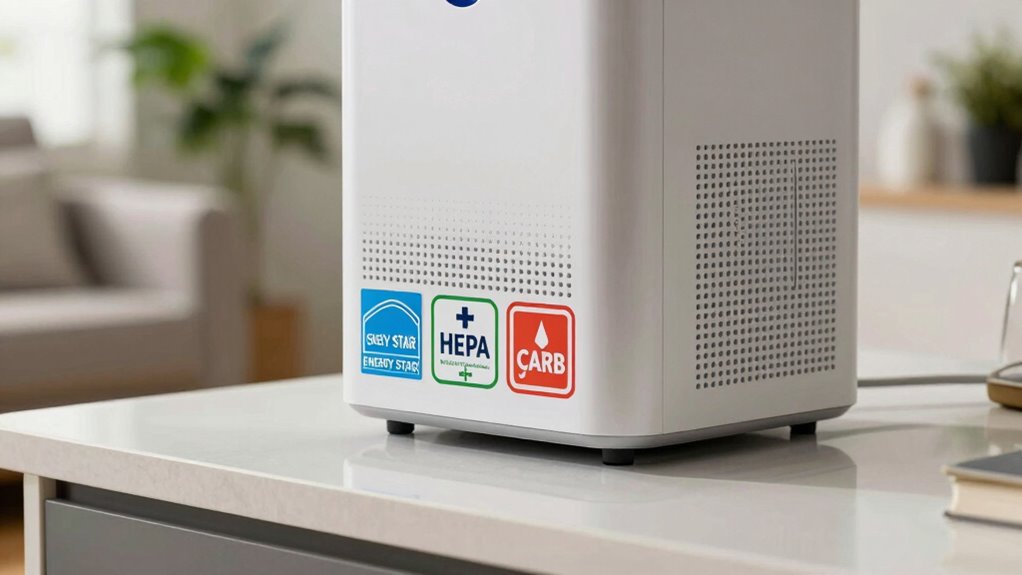
The certifications that matter most for your home air gear include labels from reputable organizations like ENERGY STAR and AHRI, which verify energy efficiency and performance. Look for independent testing and safety standards to guarantee reliability. Certified products are safer, more effective, and compliant with building codes, giving you peace of mind. Want to know how these certifications can specifically benefit your home? Keep exploring to discover more about choosing the right air quality solutions.

Get health and wellness essentials delivered free with Prime
- Fast, free delivery on millions of items
- Prime Video, Amazon Music and more included
- Member-only deals all year
Key Takeaways
- Look for certifications from reputable organizations like AHAM, ENERGY STAR, or UL to ensure safety and performance.
- Certified air purifiers have undergone independent testing for pollutant reduction efficiency.
- HVAC systems with recognized certifications guarantee energy efficiency, safety, and environmental compliance.
- Industry-standard labels help verify that products meet safety, quality, and performance benchmarks.
- Prioritizing certified products reduces risks of substandard or hazardous equipment, ensuring long-term reliability.
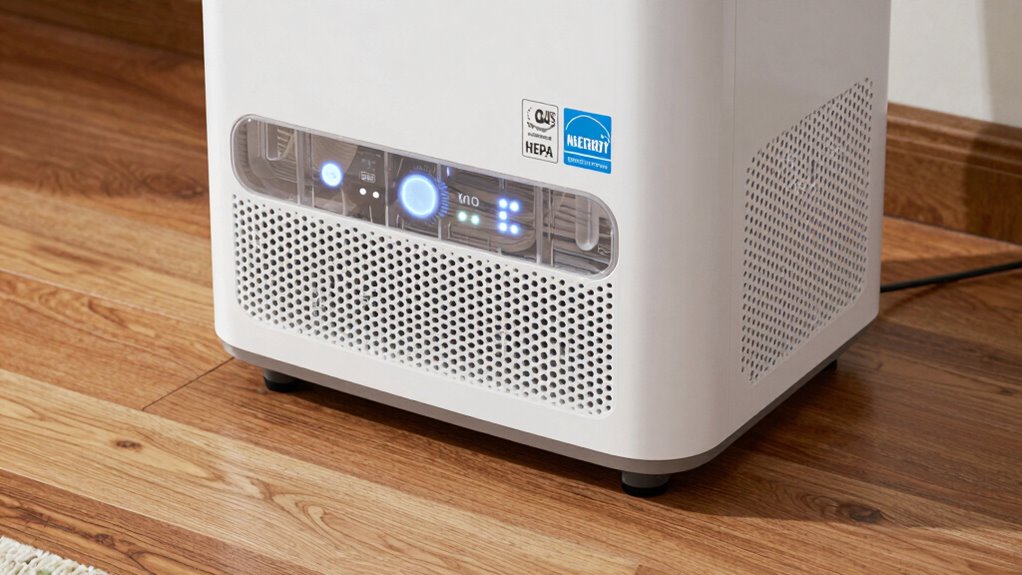
Are you confident that your home air gear meets the necessary safety and performance standards? Ensuring that your air purifier standards are up to par. Certified products have been tested and verified to effectively reduce airborne pollutants, including allergens, bacteria, and volatile organic compounds. When shopping for an air purifier, look for labels from reputable organizations, as these certifications confirm that the device has undergone rigorous testing and meets specific performance benchmarks.
In addition to air purifier standards, it’s crucial to pay attention to HVAC certification programs. These programs validate that your heating, ventilation, and air conditioning systems operate efficiently and safely. Certifications from recognized agencies often require manufacturers to meet strict criteria related to energy efficiency, safety features, and environmental impact. Installing systems with proper HVAC certification not only ensures optimal indoor air quality but also helps you save on energy costs and reduces your carbon footprint. When selecting new HVAC units or upgrades, always verify that they carry certifications from trusted bodies, such as ENERGY STAR or AHRI, which guarantee that the system has been independently tested and verified.
Understanding the significance of these certifications empowers you to make smarter choices. Certified air purifiers and HVAC systems are more likely to perform as promised, providing consistent air quality and reliable operation. This reduces the risk of purchasing a product that underperforms or poses safety hazards. Moreover, many local building codes and insurance policies require or favor equipment that meets specific standards, so certifications can also facilitate smoother home inspections and claims processes. Additionally, independent testing ensures that products meet rigorous safety and performance benchmarks, giving you added confidence in your choices. Recognizing industry standards helps you differentiate between truly reliable products and those that may not meet essential safety and quality benchmarks. Being aware of certification labels can help you quickly identify products that meet industry benchmarks.
Ultimately, your goal should be to prioritize products that have been independently tested and certified. This ensures that your home’s air quality gear aligns with industry standards and delivers the safety and performance you expect. Keep an eye out for labels indicating compliance with recognized air purifier standards and HVAC certification programs. Being knowledgeable about product certifications also helps you avoid counterfeit or substandard items that could compromise your home’s safety. Doing so can also provide peace of mind, knowing your equipment adheres to safety standards established by authoritative organizations. Taking these steps might require a little extra effort upfront, but it guarantees that your investment in home air quality gear truly enhances your living environment. When you choose certified products, you’re not just complying with regulations—you’re actively safeguarding your health and well-being every day.
ENERGY STAR certified air purifier
As an affiliate, we earn on qualifying purchases.
As an affiliate, we earn on qualifying purchases.
Frequently Asked Questions
How Often Should I Replace or Upgrade My Home Air Gear?
You should replace or upgrade your home air gear every 3 to 5 years, depending on usage and air quality standards. Regularly check for certification longevity—certified equipment typically maintains its effectiveness longer. If your filters or devices show signs of wear, reduced performance, or fail to meet current standards, it’s time for an upgrade. Staying current guarantees your home maintains healthy indoor air quality and meets the latest safety certifications.
Are There Specific Certifications for Energy Efficiency in Air Purifiers?
Yes, there are specific certifications for energy efficiency in air purifiers. You should look for models that meet energy standards like ENERGY STAR, which guarantees the device uses less power while maintaining performance. Certification labels such as ENERGY STAR provide clear proof of energy efficiency, helping you make eco-friendly choices and save on energy costs. Always check for these labels before purchasing to ensure your air purifier meets high energy standards.
Can Certifications Guarantee the Long-Term Durability of Home Air Equipment?
Certification standards can indicate that a product meets certain safety or efficiency benchmarks, but they don’t guarantee long-term performance or durability of your home air equipment. You should look for reviews, manufacturer warranties, and maintenance guidelines to assess durability. Certifications mainly ensure that the product complies with industry standards at the time of testing, but ongoing performance depends on proper use and regular upkeep.
What Safety Certifications Should I Look for in Air Filtration Devices?
Prioritize purification with practical, proven safety certifications. Look for devices meeting certification standards like UL or ETL, which guarantee safety benchmarks are met. These certifications confirm the device complies with rigorous safety standards, reducing risks of electrical faults or harmful emissions. By choosing air filtration devices with these safety certifications, you safeguard your space and breathe easier, knowing your equipment adheres to essential safety benchmarks for reliable, safe operation.
Do Certified Air Purifiers Remove All Types of Airborne Pollutants?
Certified air purifiers, especially those meeting HEPA standards, effectively remove most airborne pollutants like dust, pollen, and pet dander. However, they might not eliminate all types, such as volatile organic compounds (VOCs), unless they include specific filters for VOC removal. While HEPA filters are excellent for particulates, look for additional features like activated carbon to tackle gases and odors for thorough air purification.
As an affiliate, we earn on qualifying purchases.
Conclusion
Choosing the right certifications guarantees your home air gear is safe and effective. For example, investing in a purifier with HEPA certification can greatly improve air quality, especially if you or your family suffer from allergies. By prioritizing trusted standards, you not only safeguard your health but also get reliable, long-lasting equipment. Remember, certifications like UL or EPA aren’t just labels—they’re your assurance that you’re making a smart, informed investment in your home’s air quality.
UL safety certified air purifier
As an affiliate, we earn on qualifying purchases.
As an affiliate, we earn on qualifying purchases.
independently tested air purifier
As an affiliate, we earn on qualifying purchases.
As an affiliate, we earn on qualifying purchases.
Halloween Picks
halloween
As an affiliate, we earn on qualifying purchases.