When products are labeled “medical grade,” it often creates a false sense of safety and quality, but this term isn’t regulated strictly. It can be used as a marketing trick, not an official guarantee, and many “medical grade” items lack independent testing or certification. Relying solely on this label might lead you to overlook important safety standards. To guarantee true quality, it helps to understand what certifications and regulations really matter—if you want to know more, keep exploring.
Key Takeaways
- “Medical grade” is often a marketing term, not a regulated certification, and may lack official testing or approval.
- Many products labeled “medical grade” do not meet strict safety or effectiveness standards.
- The label can be used to imply higher quality without independent verification or certification.
- Relying solely on “medical grade” claims can create false safety assumptions.
- Verifying safety through official certifications and independent testing is essential for true product quality.

Many consumers are now seeking products made with medical-grade materials, even if they’re not intended for medical use. The term “medical grade” often suggests a high standard of quality, safety, and reliability. But in reality, it can be misleading. When a product claims to be “medical grade,” it doesn’t automatically mean it’s been tested or approved by any official authority. Instead, it’s a marketing term that can vary widely in meaning. If you’re considering these products, it’s essential to understand what “medical grade” actually signifies regarding regulatory standards and safety certifications.
Regulatory standards are the formal requirements set by government agencies like the FDA or equivalent bodies worldwide. These standards establish the criteria for safety, effectiveness, and quality control. However, just because a product is labeled “medical grade” doesn’t mean it complies with these strict regulations. Manufacturers might use the term loosely or apply it to products that have only undergone minimal testing or certification. Safety certifications, which are specific markings or approvals from recognized organizations, are more meaningful indicators of a product’s safety and quality. Yet, many products marketed as “medical grade” lack these certifications altogether. Without verification from reputable regulatory bodies, the label can be more about branding than actual safety assurance.
You should also be aware that “medical grade” materials can be used in non-medical products to imply higher quality or safety. For example, a skincare product might contain ingredients labeled as “medical grade” to appeal to consumers looking for premium or trustworthy options. But if those ingredients haven’t been evaluated for cosmetic use or tested for long-term safety in that context, the label becomes less relevant. It’s essential to look beyond the marketing claim and seek out independent testing results, certifications, or approvals that confirm a product’s safety and compliance with regulatory standards. Additionally, the use of “medical grade” can sometimes be misleading marketing, which underscores the importance of verifying claims through reputable sources.
In many cases, the phrase “medical grade” is more about perception than substance. It can lead you to believe that the product is inherently safer or more reliable, but that isn’t always the case. To protect yourself, focus on verifying safety certifications and understanding the regulatory standards applicable to the product category. Don’t rely solely on marketing claims; instead, research the certifications that validate safety and quality. Ultimately, knowing what to look for helps you make informed decisions and avoid products that use “medical grade” as a marketing gimmick rather than a genuine indicator of safety and compliance. Additionally, understanding the regulatory standards involved can help you better assess the true safety of a product.

BEAUTICAL Reusable Face Mask for Skincare – Soft Medical-Grade Silicone for Hydration Lock, Boosts Product Absorption, Holds Sheet Masks in Place, Washable & Travel-Friendly
MAXIMIZES SKINCARE RESULTS: Made from soft medical-grade silicone, this sheet face mask forms a gentle occlusive layer that…
As an affiliate, we earn on qualifying purchases.
As an affiliate, we earn on qualifying purchases.
Frequently Asked Questions
How Is “Medical Grade” Officially Defined Across Different Industries?
You might think “medical grade” has a strict, universal definition, but it varies across industries. Historically, standards were set by regulatory bodies like the FDA or ISO, but these differ depending on the product type. Industry variations mean “medical grade” can refer to different safety, quality, or sterilization requirements. So, it’s essential to check specific standards rather than relying solely on the label, as definitions aren’t always consistent or all-encompassing.
Are “Medical Grade” Labels Regulated by Any Government Agency?
Yes, “medical grade” labels are regulated by government agencies like the FDA, but regulations mainly focus on safety and manufacturing standards, not marketing claims. You should be cautious, as some companies use “medical grade” as a marketing tactic to boost consumer trust, even if their products don’t meet strict medical standards. Always research product credentials yourself, rather than relying solely on the label, to guarantee safety and quality.
Can Non-Medical Products Still Be Safe and Effective?
Think about how a product’s label can sway your trust, yet non-medical products can still be safe and effective. Consumer perception often equates “medical grade” with superior quality, influencing market impact, but many everyday items meet rigorous standards without that label. You shouldn’t judge a product solely by its certification—look for real evidence, reviews, and ingredients. Safety and effectiveness come from actual performance, not just a fancy label.
What Certifications Typically Accompany “Medical Grade” Claims?
When a product claims “medical grade,” it often comes with certifications like FDA approval, CE marking, or ISO standards, which support medical claims and guarantee consumer safety. These certifications verify that the product meets strict quality and safety standards before reaching the market. However, it’s essential to remember that “medical grade” doesn’t always guarantee safety or effectiveness for consumer use. Always research certifications to make informed decisions.
Does “Medical Grade” Guarantee Long-Term Product Durability?
“Medical grade” doesn’t guarantee long-term durability. While it may boost consumer trust and enhance brand reputation, it mainly indicates the product meets strict medical standards for safety and effectiveness. Durability depends on materials, design, and manufacturing quality, not just the “medical grade” label. So, if you’re seeking long-lasting products, look beyond the label and assess the actual build quality and customer reviews.

Castor Oil Patches – FDA/MDR/CE Certified Carrier Patches for Castor Oil, Medical-Grade Self-Adhesive Pads, Disposable Organic Cotton Belly Button Patch, Portable Breathable Anti Leakage No Wash
✅【 FDA & MDR & CE | CERTIFIED SAFETY】- Rigorous tested in FDA-registered facility & compliant with EU…
As an affiliate, we earn on qualifying purchases.
As an affiliate, we earn on qualifying purchases.
Conclusion
So, next time you see “medical grade” on a consumer product, don’t assume it’s the gold standard. Ironically, that label might just be a marketing buzzword, not a guarantee of safety or quality. In reality, many “medical grade” items in stores are far from hospital-grade. So, while it sounds impressive, remember—sometimes, the real health risk is trusting that label blindly. Don’t let marketing fool you; do your research instead.

Conquer the Food Inspector Exam: Ensuring that Food Products Meet USDA and FDA Safety Standards and Regulations (Public Safety Exams)
As an affiliate, we earn on qualifying purchases.
As an affiliate, we earn on qualifying purchases.
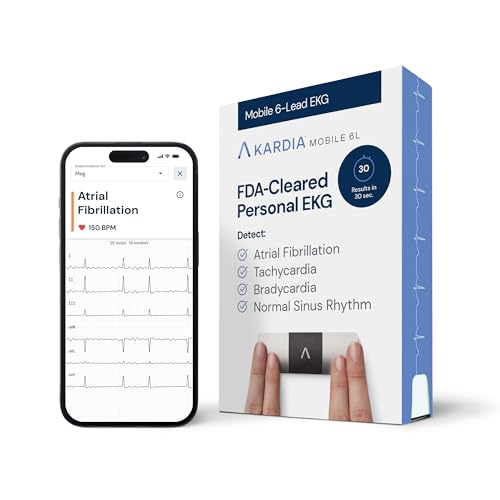
KardiaMobile 6L EKG Monitor, Medical-Grade, FDA-Cleared Heart Monitor, 6 Views of the Heart, Results in 30 Seconds, Unlimited Recordings, Works with Smartphones, HSA&FSA Eligible, Pocket-Size
Medical-Grade 6-Lead EKG in 30 Seconds: Capture a clinically accurate EKG with six times more detail than a…
As an affiliate, we earn on qualifying purchases.
As an affiliate, we earn on qualifying purchases.