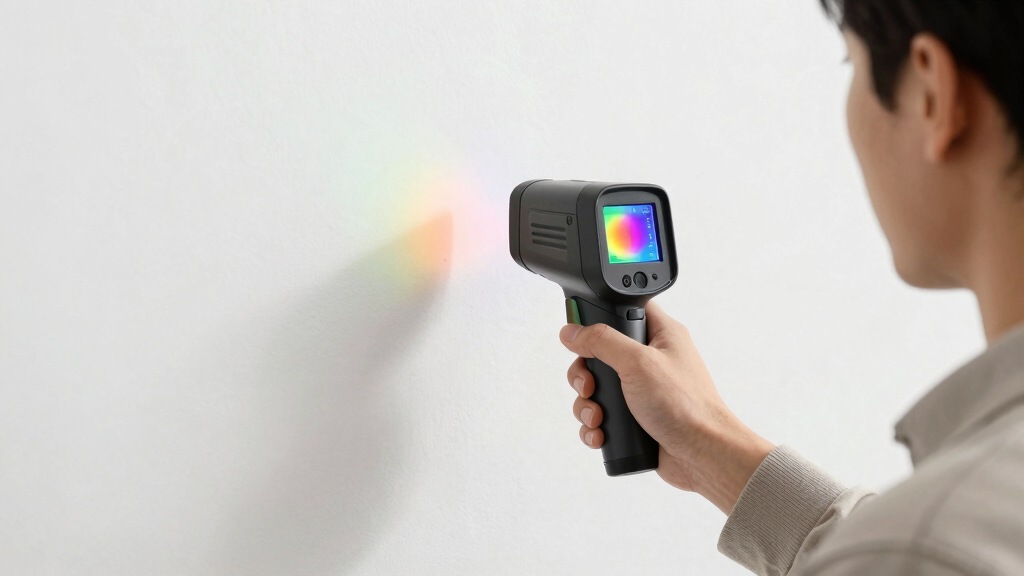

Finding the best thermal camera for moisture detection involves balancing accuracy, usability, and features. The FLIR TG165-X stands out for its reliable detection and user-friendly design, making it a top overall choice. The HF96 Thermal Camera offers impressive resolution for detailed scans, ideal for professional inspections. Meanwhile, the F2W Thermal Camera 640×480 provides high resolution and advanced analysis options, perfect for those who need precision. The main tradeoffs include balancing budget against resolution and ease of use. Continue reading for a detailed comparison that helps match your needs with the right model.
Key Takeaways
- Higher resolution thermal cameras generally provide more detailed moisture detection, but often come at a higher price.
- Features like laser pointers and scene detection significantly improve accuracy and ease of locating moisture hotspots.
- Ease of use and connectivity options (Wi-Fi, app integration) matter more for DIY users, while professionals prioritize resolution and durability.
- Budget options tend to sacrifice some resolution and advanced features, but can still be effective for basic moisture detection.
- Build quality and battery life vary widely; professional workflows benefit from rugged designs and longer runtime.
| F2W Thermal Camera 640×480 Super Resolution, IR Resolution 256×192, 3.2″ Screen, 25Hz, -4°F to 1022°F, App & PC Analysis, Case |  | Best for Professional-Grade Moisture Detection with High-Resolution Imaging | Resolution: 640×480 | IR Resolution: 256×192 | Screen Size: 3.2 inches | VIEW LATEST PRICE | See Our Full Breakdown |
| HF96 Thermal Camera with Laser Pointer, Scene Detection, Super Resolution 240×240, -4°F~1022°F, IR Resolution 96×96, 25Hz, 11h Runtime |  | Best for Budget-Conscious Users Needing Multi-Functionality | IR Resolution: 96×96 (upgradable to 240×240) | Thermal Range: -4°F to 1022°F | Frame Rate: 25Hz | VIEW LATEST PRICE | See Our Full Breakdown |
| P2W Wi-Fi Thermal Camera with 8MP Visual Camera, 3.5″ Touch Screen, 640×480 Super Resolution, Intelligent Scene Detection |  | Best for Integrated Visual and Thermal Inspection with Connectivity | Thermal Resolution: 640×480 | IR Resolution: 256×192 | Display: 3.5 inches | VIEW LATEST PRICE | See Our Full Breakdown |
| HP96 Thermal Imaging Camera with 3.5″ Touch Screen and Visual Camera | 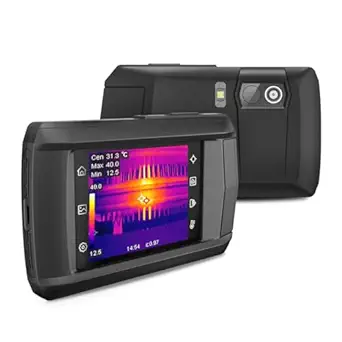 | Best Overall for Professional Moisture Detection | IR Resolution: 96 x 96 | Super Resolution: 240 x 240 | Visual Camera Resolution: 640 x 480 | VIEW LATEST PRICE | See Our Full Breakdown |
| FOXWELL RT280 Thermal Imaging Camera, 320×240 Resolution, 2.8-inch LCD, Laser Targeting, PC Analysis, 8GB Storage |  | Best Value for Versatile Moisture and Electrical Inspections | Resolution: 320×240 | TISR Resolution: 240×180 | Display: 2.8-inch LCD | VIEW LATEST PRICE | See Our Full Breakdown |
| HF96V Thermal Camera with Visual Camera & Laser Pointer, 240×240 Super Resolution, 25Hz, IP54 |  | Best for Home and Light Professional Moisture Inspections | Resolution: 96×96 IR, 640×480 visible | Super Resolution: 240×240 | Frame Rate: 25 Hz | VIEW LATEST PRICE | See Our Full Breakdown |
| FLIR TG165-X Thermal Imaging Camera with Bullseye Laser |  | Best for Rugged Building and Electrical Inspections | Pixel Resolution: 4,800 pixels | Temperature Range: -25°C to 300°C (-13°F to 572°F) | Enclosure: IP54 | VIEW LATEST PRICE | See Our Full Breakdown |
More Details on Our Top Picks
F2W Thermal Camera 640×480 Super Resolution, IR Resolution 256×192, 3.2″ Screen, 25Hz, -4°F to 1022°F, App & PC Analysis, Case
This model makes the most sense for professionals who need detailed thermal images for moisture detection, especially compared to smaller models like the HF96. Its high-resolution 640×480 thermal sensor allows for precise moisture spotting across large or complex surfaces, while the wireless connectivity simplifies data sharing and documentation. The device’s durability, including an IP54 rating and drop resistance, supports demanding fieldwork. However, its high price tag makes it less accessible for casual users, and some may find the extensive features more than necessary for simple moisture checks. It’s ideal for contractors and inspectors who prioritize accuracy and data management.
Pros:- Exceptional high-resolution thermal images for detailed analysis
- Wireless sharing and PC analysis streamline documentation
- Robust build with IP54 protection and drop resistance
- Long battery life and substantial storage
Cons:- Higher cost may be prohibitive for casual users
- Requires some technical knowledge for optimal use
- Limited to professional or industrial environments
Best for: Professional inspectors and contractors needing detailed, high-resolution thermal scans for moisture detection
Not ideal for: Casual DIY users or homeowners who only require basic moisture detection, as the cost and complexity may be unwarranted
- Resolution:640×480
- IR Resolution:256×192
- Screen Size:3.2 inches
- Temperature Range:-4°F to 1022°F
- Thermal Sensitivity:below 40 mK
- Protection Rating:IP54
- Drop Test:6.6 ft
Bottom line: This is best for those who need detailed, reliable moisture detection and can invest in a professional-grade thermal camera.
HF96 Thermal Camera with Laser Pointer, Scene Detection, Super Resolution 240×240, -4°F~1022°F, IR Resolution 96×96, 25Hz, 11h Runtime
The HF96 balances thermal imaging with added features like laser pointers and scene detection, making it suitable for energy efficiency assessments and home inspections. Its super resolution upgrade from 96×96 to 240×240 provides clearer images, which can assist in identifying moisture issues more reliably than basic models. Compared to the P2W, it offers longer battery life and better scene detection, but it still lacks moisture or humidity measurements, which are often necessary for comprehensive moisture detection. Its higher price for a thermal camera without humidity readings could be a drawback for users needing more complete moisture analysis. Nonetheless, it’s a solid choice for users who want enhanced thermal images at an affordable price.
Pros:- Super resolution enhances thermal image clarity
- Long battery life (up to 11 hours)
- Includes laser pointer and scene detection features
- Durable IP54 protection rating
Cons:- No moisture or humidity measurement capabilities
- Relatively high cost for its feature set
- Firmware updates required for full feature access
Best for: Home inspectors and energy auditors seeking a versatile thermal camera with scene detection and super resolution
Not ideal for: Users needing moisture or humidity-specific measurements, since these are absent from this device
- IR Resolution:96×96 (upgradable to 240×240)
- Thermal Range:-4°F to 1022°F
- Frame Rate:25Hz
- Battery Life:11 hours
- Protection Rating:IP54
- Storage:4 GB
Bottom line: Best for users who want a multi-function thermal camera with enhanced image quality and scene detection, but not for those needing moisture-specific data.
P2W Wi-Fi Thermal Camera with 8MP Visual Camera, 3.5″ Touch Screen, 640×480 Super Resolution, Intelligent Scene Detection
This camera makes a compelling case for detailed moisture detection when paired with visual inspection, thanks to its dual-camera system and super resolution thermal imaging. Its 640×480 thermal resolution surpasses many basic models, providing clearer images for pinpointing moisture issues. The inclusion of intelligent scene detection accelerates diagnosis, and Wi-Fi connectivity simplifies data sharing. Compared to the HF96, it offers a larger touchscreen and dual imaging modes, making it more versatile. However, its shorter battery life and higher price point may deter casual users. It’s ideal for professionals who need comprehensive visual and thermal data in one device.
Pros:- High-resolution thermal imaging with super resolution
- Dual camera system supports visual and thermal analysis
- Wi-Fi connectivity for quick data sharing
- Intelligent scene detection speeds up inspections
Cons:- Shorter battery life limits extended field use
- Higher purchase price for casual or occasional inspection needs
- Requires app and software for full functionality
Best for: Field inspectors and troubleshooting professionals who need both thermal and visual data for moisture detection
Not ideal for: Casual homeowners or users who only need a basic thermal scan, as the device’s advanced features come with a higher cost and complexity
- Thermal Resolution:640×480
- IR Resolution:256×192
- Display:3.5 inches
- Thermal Range:-4°F to 752°F
- Protection Rating:IP54
- Drop Test:6.6 ft
Bottom line: This is best for professionals seeking integrated visual and thermal inspection with reliable moisture detection capabilities.
HP96 Thermal Imaging Camera with 3.5″ Touch Screen and Visual Camera
The HP96 stands out for its high-definition thermal imaging combined with intelligent scene detection, making it ideal for detailed moisture inspections in complex environments. Its super resolution boosts image clarity beyond standard thermal cameras, which is especially useful when pinpointing moisture behind walls or in tricky spots. Compared to the FLIR TG165-X, it offers more advanced imaging modes and a larger touchscreen, but at a higher cost. Its durability and IP54 rating support extended fieldwork, yet it lacks specific moisture or humidity sensors, limiting its ability to directly measure moisture levels. The need for firmware updates may also slow workflow initially.
Pros:- High-definition thermal images with live super resolution
- Intelligent scene detection accelerates inspections
- Durable with IP54 and drop resistance
Cons:- No integrated humidity or moisture sensors
- Relatively high price for advanced features
Best for: Professional inspectors and contractors needing precise moisture detection with high image quality.
Not ideal for: Home DIYers or casual users who primarily want moisture readings without advanced thermal features.
- IR Resolution:96 x 96
- Super Resolution:240 x 240
- Visual Camera Resolution:640 x 480
- Screen Size:3.5 inches
- Frame Rate:25 Hz
- Temperature Range:-4°F to 662°F
Bottom line: This camera is best suited for professionals demanding detailed thermal imaging for moisture detection in complex scenarios.
FOXWELL RT280 Thermal Imaging Camera, 320×240 Resolution, 2.8-inch LCD, Laser Targeting, PC Analysis, 8GB Storage
The FOXWELL RT280 offers a robust combination of resolution, storage, and analysis features that make it an appealing choice for those who require both thermal imaging and detailed reporting. Its 320×240 resolution provides clearer images compared to lower-res options like the HF96V, and the large internal storage makes it easier to document moisture issues over multiple sessions. While it lacks specialized moisture sensors, its comprehensive analysis software helps interpret thermal data for moisture detection in electrical or HVAC systems. Unlike the HP96, it’s more portable and has a more accessible price point, but its temperature range up to 1022°F may be less suited for high-temperature industrial applications.
Pros:- High-resolution thermal imaging enhances clarity
- Large 8GB internal storage simplifies documentation
- Durable design with IP54 and drop resistance
Cons:- No dedicated moisture or humidity sensors
- Limited temperature range for industrial applications
Best for: HVAC technicians and electrical inspectors seeking an affordable, multi-purpose thermal camera with good moisture detection potential.
Not ideal for: Users needing precise humidity or moisture-specific measurements, as it lacks dedicated sensors for those parameters.
- Resolution:320×240
- TISR Resolution:240×180
- Display:2.8-inch LCD
- Temperature Range:-4°F to 1022°F
- Storage:8GB
- Drop Resistance:6.6 feet
Bottom line: This camera offers excellent value for professionals who want comprehensive thermal images without the need for moisture-specific sensors.
HF96V Thermal Camera with Visual Camera & Laser Pointer, 240×240 Super Resolution, 25Hz, IP54
The HF96V provides a user-friendly option with dual cameras and a laser pointer, making it easier for less experienced users to target moisture areas accurately. Its live super resolution offers better image detail than basic models like the FLIR TG165-X, which makes it more suitable for spotting subtle moisture signatures. However, its temperature range capped at 1022°F and limited internal storage of 4GB restrict its use for high-temperature environments or extensive documentation. Firmware updates are needed to unlock some features, which could disrupt workflow for casual users.
Pros:- High-definition thermal images with super resolution
- Laser pointer for precise targeting
- Long battery life of up to 11 hours
Cons:- Limited temperature range for industrial needs
- Requires firmware updates for full features
Best for: Homeowners and DIY enthusiasts interested in basic moisture detection and quick thermal scans.
Not ideal for: Professional inspectors requiring in-depth analysis or integrated moisture measurement capabilities.
- Resolution:96×96 IR, 640×480 visible
- Super Resolution:240×240
- Frame Rate:25 Hz
- Temperature Range:-4°F to 1022°F
- Battery Life:Up to 11 hours
- Protection Rating:IP54
Bottom line: This pick is ideal for casual users seeking straightforward thermal imaging for moisture but not suited for demanding or industrial applications.
FLIR TG165-X Thermal Imaging Camera with Bullseye Laser
The FLIR TG165-X is designed for tough environments, combining a high-res 4,800-pixel IR sensor with MSX image enhancement, making it easier to identify moisture behind walls or in electrical panels. Its laser pointer helps target specific areas quickly, which is beneficial in busy inspection scenarios. While its temperature range from -13°F to 572°F covers common moisture-related issues, it lacks the advanced resolution or scene detection features found in higher-end models like the HP96. Its rugged build and drop resistance make it suitable for demanding site conditions, yet it commands a higher price and requires some training to interpret images effectively.
Pros:- Clear images with MSX image enhancement
- Rugged, drop-tested IP54 enclosure
- Laser pointer for precise targeting
Cons:- Limited temperature range for some applications
- Higher cost compared to basic models
Best for: Building inspectors and electrical technicians working in challenging environments who need reliable moisture detection.
Not ideal for: Home users or those needing detailed moisture measurement or high-temperature industrial inspections.
- Pixel Resolution:4,800 pixels
- Temperature Range:-25°C to 300°C (-13°F to 572°F)
- Enclosure:IP54
- Warranty:2 years parts and labor
- Drop Test:6.6 ft
Bottom line: This camera offers durability and clarity for professionals in tough environments but isn’t focused on moisture-specific sensors.
How We Picked
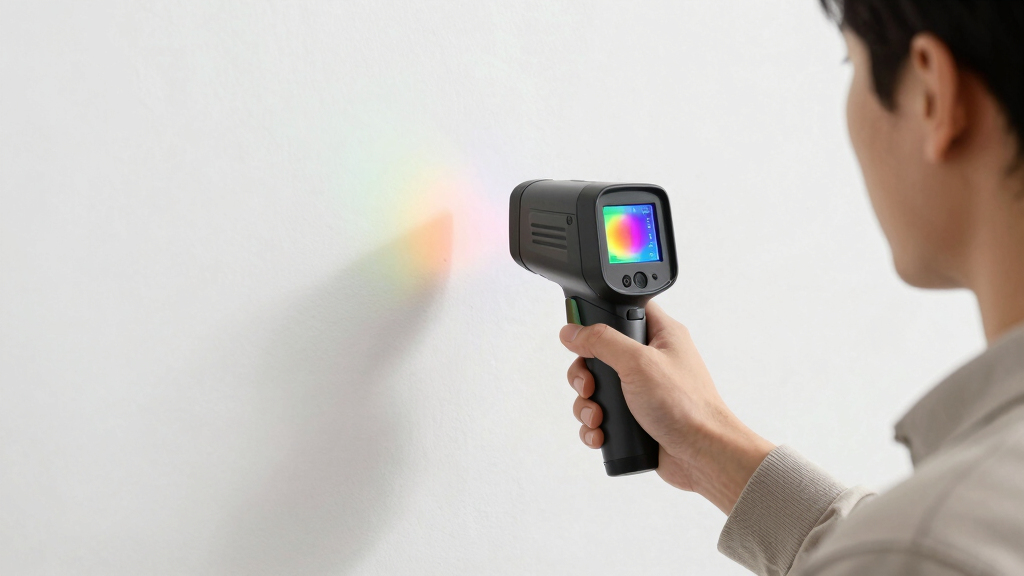
Products were selected based on a combination of thermal resolution, moisture detection capabilities, ease of use, build quality, and value for money. We prioritized models that balance technical performance with practical features, such as scene detection and app integration, to ensure they are effective for identifying hidden moisture. Each product’s rating reflects how well it performs in real-world moisture detection scenarios, considering factors like resolution clarity and thermal sensitivity. The ranking aims to help different user types—from DIY homeowners to professional inspectors—find the best fit for their specific needs.Factors to Consider When Choosing Best Thermal Camera For Moisture Detection
Choosing the best thermal camera for moisture detection depends on several key factors that influence its effectiveness, usability, and value. Understanding these factors helps avoid common pitfalls like overpaying for features you don’t need or selecting a model that’s too basic for your inspection requirements. Below are the main considerations to keep in mind when making your decision.Thermal Resolution and Sensitivity
Higher thermal resolution, such as 640×480 pixels, allows for more detailed images and precise detection of moisture pockets. Sensitivity, or the camera’s ability to detect small temperature differences, is equally important because moisture often causes subtle thermal variations. Opting for a model with at least 240×240 resolution ensures you can spot even minor moisture issues without guesswork. However, note that increased resolution often comes with a higher price tag, so consider your inspection frequency and required detail level.Ease of Use and Connectivity
For non-professionals, intuitive controls and features like scene detection or visual overlays can make moisture detection more straightforward. Wi-Fi and app connectivity enable remote viewing and recording, which are beneficial for documentation or sharing results. Professional users should look for rugged designs and extended battery life to withstand demanding inspections. Be aware that more advanced features can add complexity, so balance your comfort with technology against the need for precision.Build Quality and Durability
Moisture inspections often occur in challenging environments, so durability matters. Look for models with weather-resistant ratings like IP54 or higher, ensuring they can handle dust and moisture exposure. A sturdy construction minimizes damage during regular use, especially if you’re inspecting in tight or harsh settings. While premium models tend to be more durable, budget options with basic robustness may suffice for occasional home use.Price and Value
Investing in a thermal camera is a balance between budget and needed features. Cheaper models may lack the resolution or advanced detection features critical for accurate moisture localization. Conversely, premium options offer superior performance but may be overkill for casual use. Consider how often you’ll use the camera and whether professional-grade features justify the higher cost. Sometimes, mid-range models deliver the best overall value for most users.Additional Features to Consider
Features like laser pointers assist in pinpointing problem areas, while scene detection helps differentiate thermal anomalies. Visual cameras integrated into thermal units can provide context, making moisture issues easier to locate. Also, check for user-friendly interfaces and software support, as these can make analysis faster and more accurate. Avoid models with overly complicated menus if you prefer straightforward operation, especially for occasional inspections.Frequently Asked Questions
Can a thermal camera reliably detect hidden moisture behind walls?
Thermal cameras can reveal temperature differences caused by hidden moisture, but their effectiveness depends on the resolution and sensitivity. They are best used as an initial assessment tool; subtle moisture may not always produce visible thermal anomalies. For detailed diagnosis, follow-up with moisture meters or invasive testing may be necessary. Still, a high-quality thermal camera can significantly narrow down problem areas before more invasive measures.
What resolution do I need for accurate moisture detection?
For reliable moisture detection, a thermal resolution of at least 240×240 pixels is recommended; higher resolutions like 640×480 provide clearer images and finer detail. Resolution directly impacts your ability to distinguish small temperature differences caused by moisture. Keep in mind that higher resolution models tend to be more expensive, so align your choice with the level of detail you require and your inspection frequency.
Are visual cameras necessary in a thermal moisture detection tool?
Incorporating a visual camera can greatly enhance moisture detection by providing contextual images alongside thermal data. This feature helps confirm the exact location of thermal anomalies, especially in complex environments. While not strictly necessary, models with visual overlays or combined visual-thermal capabilities tend to be more user-friendly and accurate, particularly for non-experts or detailed inspections.
How important is durability in a moisture detection thermal camera?
Durability is vital if you plan to use the camera in challenging environments, such as construction sites or outdoor inspections. Look for models with weather resistance, sturdy construction, and reliable battery life. A rugged design minimizes the risk of damage during frequent or demanding use, ensuring your investment remains protected and functional over time. For casual, indoor inspections, durability may be less critical but still worth considering.
Is Wi-Fi connectivity worth the extra cost?
Wi-Fi connectivity adds convenience by allowing remote viewing, recording, and sharing of thermal images. For professional inspectors or those documenting issues, this feature can streamline workflow and improve accuracy. However, it often raises the price and can introduce additional complexity. If you primarily need the camera for occasional home inspections, a model without Wi-Fi might offer better value without sacrificing core performance.
Conclusion
For casual homeowners or DIY enthusiasts, a budget-friendly model with decent resolution and ease of use will suffice, such as a mid-range thermal camera with visual overlay features. Professional inspectors should prioritize high resolution, durability, and advanced detection features, making premium models like FLIR options the best choice. Beginners or occasional users benefit from simpler interfaces, while those working in challenging environments should invest in rugged, weather-resistant options. Ultimately, matching the camera’s capabilities with your specific needs ensures accurate moisture detection without overspending or underperforming.