
Air fresheners might seem like an easy fix for unwanted odors, but they’re often filled with harmful chemicals that can harm your health and the environment. These synthetic fragrances mask underlying issues instead of solving them, leading to a cycle of temporary solutions. Plus, they can trigger allergies or worsen respiratory problems. There are natural alternatives that can freshen your space without the risks. It’s worth exploring healthier options for keeping your home pleasant and safe.

Get health and wellness essentials delivered free — and shop member deals
- Fast, free delivery on millions of items
- Access to Prime Big Deal Days deals on October 6–7
- Prime Video, Amazon Music and more included
Key Takeaways
- Air fresheners often contain synthetic fragrances and harmful chemicals like phthalates, posing health risks and impacting indoor air quality.
- They mask underlying odor problems rather than addressing the root causes, leading to neglect of necessary cleaning and maintenance.
- Regular use of air fresheners can trigger allergic reactions, worsen respiratory issues, and disrupt hormonal balance over time.
- Eco-friendly alternatives, such as essential oils and vinegar, can effectively eliminate odors without harmful chemicals.
- Maintaining cleanliness and proper ventilation is crucial for a fresh home environment, reducing the need for artificial scent masking.
natural air fresheners essential oils
As an affiliate, we earn on qualifying purchases.
As an affiliate, we earn on qualifying purchases.
The Ingredients Behind the Fragrance
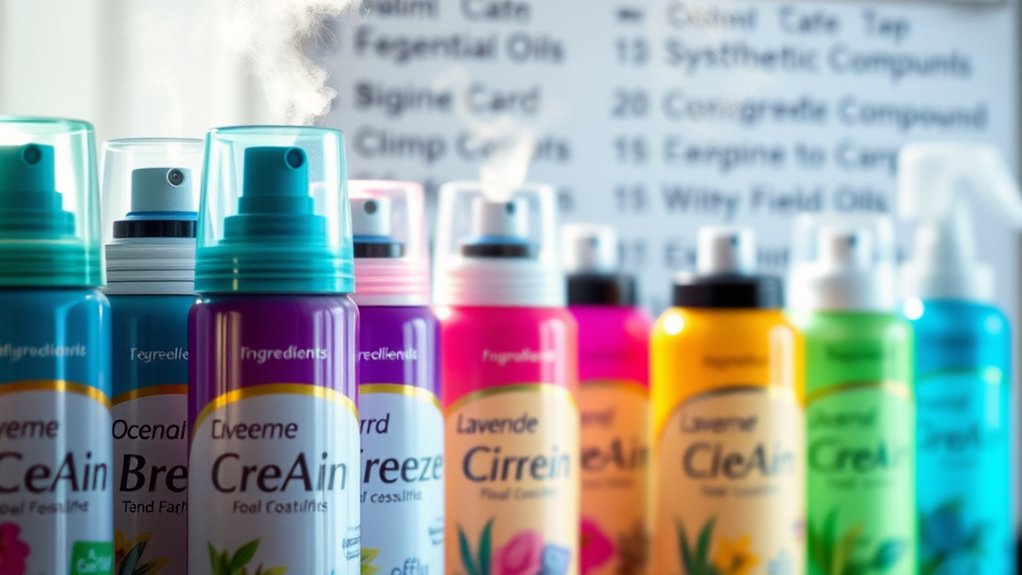
When you walk into a room filled with a pleasant scent, you might not realize the complex mix of ingredients behind that fragrance. Many air fresheners rely on synthetic fragrances designed to mimic natural scents. These artificial compounds can create enticing aromas, but they’re often accompanied by chemical preservatives to extend shelf life and maintain stability. While these additives help keep products crisp, they may also raise concerns about their long-term effects. It’s crucial to understand that what smells delightful can sometimes come from a concoction of chemicals rather than pure, natural ingredients. Newborn sunscreens can be a safer option for those looking to avoid harsh chemicals in products used around their home. Furthermore, many manufacturers are now exploring energy-efficient cloud servers to enhance their production processes, which can lead to more sustainable options in the future. Additionally, awareness of passive voice in writing can clarify the information presented. Embracing curiosity and happiness can lead you to explore healthier alternatives to traditional air fresheners. So, the next time you enjoy that invigorating scent, consider what’s really in the air you breathe.
As an affiliate, we earn on qualifying purchases.
Short-Term Effects on Health

Have you ever noticed how a quick spray of air freshener can instantly change the atmosphere of a room? While that pleasant scent might seem harmless, it can trigger a range of short-term health effects. Many people experience psychological effects, such as mood changes or increased stress, due to the chemicals in these sprays. Additionally, you might not realize that these products can provoke allergenic responses, causing symptoms like sneezing, headaches, or even skin irritation. If you have asthma or allergies, the impact can be even more pronounced. Being aware of these short-term effects can help you make better choices when it comes to maintaining a fresh-smelling environment without compromising your health. For instance, opting for flavorful appetizers can create a delightful atmosphere without relying on synthetic scents. In fact, understanding kitchen science can help you explore natural alternatives to enhance the freshness of your space without harmful effects.
As an affiliate, we earn on qualifying purchases.
Long-Term Health Risks
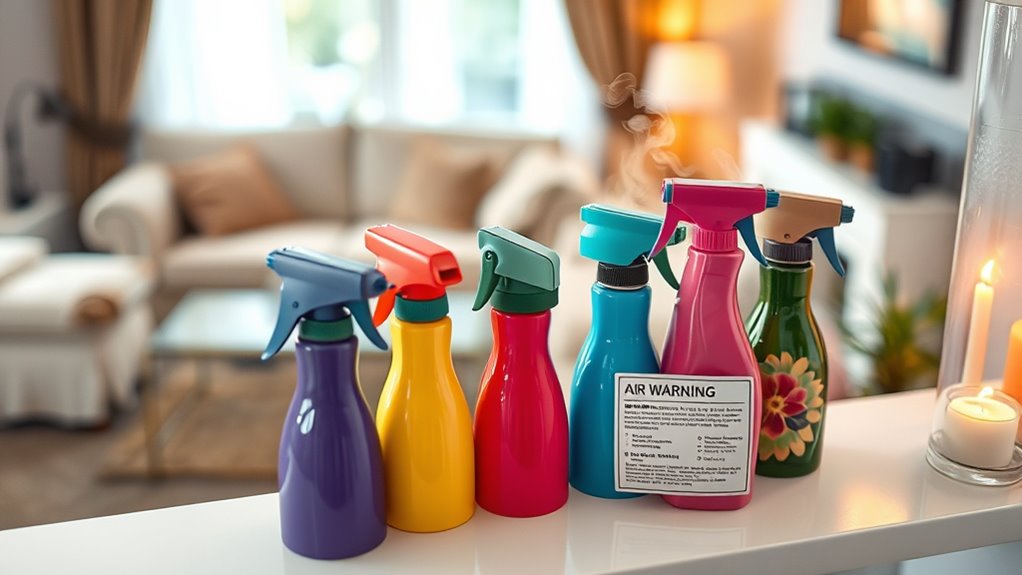
When you use air fresheners regularly, you might expose yourself to harmful chemicals that could lead to serious health issues over time. Studies suggest a link between these products and respiratory problems, as well as potential hormonal disruptions. It’s important to contemplate how these long-term risks could affect your well-being. Additionally, many air fresheners contain volatile organic compounds that can significantly degrade indoor air quality. According to research, using air fresheners indoors can exacerbate indoor air quality issues, making it crucial to consider alternatives that promote a healthier environment. Instead of relying on air fresheners, consider investing in air purifiers that can effectively remove pollutants and improve the overall quality of your indoor air. Regular exposure to strong scents, like those from air fresheners, may lead to respiratory irritation, increasing discomfort for sensitive individuals.
Harmful Chemical Exposure
Although air fresheners may seem harmless, prolonged exposure to their chemical components can lead to significant long-term health risks. Many of these products contain complex fragrance compositions that mask unpleasant odors but can also release harmful chemicals into your environment. Without proper chemical labeling, you might not even know what you’re inhaling. Some of these chemicals, like phthalates and formaldehyde, have been linked to various health issues, including hormonal disruptions and potential carcinogenic effects. It’s vital to be aware of what these products contain and consider alternatives that prioritize your well-being. By opting for natural air fresheners or eliminating odors through ventilation, you can reduce your risk of harmful chemical exposure while still maintaining a pleasant living space. Additionally, many air fresheners can impact color accuracy in your home environment, affecting overall visual quality in your living spaces. Using an airless paint sprayer for your home projects may help achieve a smooth finish without the harmful fumes associated with traditional painting methods. Moreover, some air fresheners release harmful chemicals that can accumulate in indoor air, further increasing potential health risks. As with astrology, which suggests that interpersonal attraction may be influenced by environmental factors, the atmosphere in your home can significantly affect your overall well-being. This reliance on manufactured scents underscores the importance of understanding cloud services that can impact health and safety in your living environment.
Respiratory Issues Linked
While you might enjoy the pleasant scents of air fresheners, it’s crucial to recognize the potential respiratory issues they can cause over time. Prolonged exposure to these products can lead to decreased indoor air quality and trigger fragrance allergies, making breathing difficult.
Here’s a quick overview of respiratory issues linked to air fresheners:
| Issue | Description |
|---|---|
| Asthma | Can worsen symptoms and attacks |
| Allergic Reactions | Trigger sneezing and congestion |
| Chronic Respiratory Issues | May develop with long-term use |
Hormonal Disruption Risks
Extended exposure to air fresheners can lead to more than just respiratory issues; they also pose risks of hormonal disruption. These products often contain chemicals that can cause endocrine disruption, affecting your body’s hormone balance. When you inhale or absorb these substances, you might experience hormone interference, which can result in various health problems over time. This interference can disrupt normal bodily functions, potentially leading to reproductive issues, weight gain, and mood swings. Additionally, continuous exposure to glycolic acid may enhance skin radiance by promoting cell turnover, but it’s crucial to weigh the benefits against potential risks from other chemicals. It’s vital to be aware of these long-term health risks associated with seemingly harmless air fresheners. By limiting your exposure or opting for natural alternatives, you can better protect your hormonal health and overall well-being. Additionally, research shows that necessary cookies can help improve your browsing experience on websites discussing health-related topics. Furthermore, engaging in aquatic exercise not only promotes physical fitness but can also serve as a natural stress reliever, which may mitigate some hormonal imbalances. Additionally, it’s worth noting that young players in sports can also face health impacts from environmental factors, emphasizing the importance of maintaining a healthy home environment. Remember, those pleasant scents might come with hidden dangers. Additionally, it’s important to note that some food products, like halal certification, may also contain additives that can disrupt hormonal balance.
As an affiliate, we earn on qualifying purchases.
Environmental Impact of Air Fresheners

How do air fresheners affect the environment beyond just masking odors? While they may seem harmless, many contain synthetic chemicals that can pollute the air and contribute to indoor air quality issues. These compounds often don’t break down easily, leading to long-term environmental harm. Even when you choose products with biodegradable packaging or eco friendly labels, it’s essential to investigate the ingredients. Some air fresheners still release volatile organic compounds (VOCs), which can harm both your health and the environment. By opting for natural alternatives, you can reduce your ecological footprint. Additionally, creating a comfortable outdoor area can provide a refreshing alternative to artificial scents. Remember, every small choice counts, and being aware of the environmental impact of your air freshener can lead to a cleaner, healthier home and planet.
How Air Fresheners Mask Underlying Issues

Air fresheners may provide a quick fix for unpleasant odors, but they often mask underlying issues instead of addressing them. Relying on synthetic scents can lead you to overlook the real source of the odor. Instead of solving problems, you’re just engaging in chemical masking, which can create a cycle of neglect.
| Problem Source | Air Freshener Solution | Effect on Environment |
|---|---|---|
| Mold in bathrooms | Citrus-scented spray | Increased VOCs |
| Pet odors | Lavender air freshener | Allergens in the air |
| Stale food | Vanilla-scented plug-in | False sense of cleanliness |
| Smoke residue | Clean linen aerosol | Potential health risks |
Natural Alternatives for Freshening Your Space

Relying on synthetic air fresheners can lead to overlooking the root causes of odors in your home. Instead, consider these natural alternatives to freshen your space:
- Essential oils: Diffuse oils like lavender or lemon for a invigorating scent.
- Baking soda: Place bowls of baking soda in problem areas to absorb unwanted smells.
- Vinegar: Use a mixture of water and vinegar in a spray bottle to neutralize odors.
- Herbs and spices: Simmer cinnamon sticks or rosemary on the stove for a warm, inviting aroma.
These natural remedies not only freshen your environment but also promote a healthier living space, free from harmful chemicals. Embrace these alternatives for a cleaner, more pleasant home.
Tips for Maintaining a Fresh Home Without Chemicals

While you might think that maintaining a fresh home requires chemical-laden products, there are simple and effective ways to achieve a pleasant atmosphere naturally. Start with scent layering by combining various natural fragrances. For instance, use essential oils like lavender or citrus in a diffuser, and complement that with fresh flowers or herbs around your home. You can also create DIY mixtures by mixing water with a few drops of your favorite essential oil in a spray bottle. Spritz this around your space for an instant refresh. Don’t forget to open windows for ventilation and let in fresh air. Regularly decluttering and cleaning surfaces will also keep your home smelling great without relying on harsh chemicals.
Frequently Asked Questions
Do Air Fresheners Actually Eliminate Odors or Just Mask Them?
Air fresheners don’t actually eliminate odors; they mostly mask them. When you spray an air freshener, you’re layering a pleasant scent over the unwanted smells. This process, known as odor masking, can temporarily make your space smell better, but it won’t tackle the source of the odors. For a more effective solution, consider cleaning the area or using odor-neutralizing products that target the root cause instead of just covering it up.
Can Pets Be Affected by Air Fresheners?
Yes, pets can be affected by air fresheners. They often have sensitive respiratory systems, and the chemicals in these products can impact their respiratory health. Using air fresheners may increase allergen exposure for your furry friends, leading to potential breathing issues or allergic reactions. It’s important to select pet-safe alternatives or ensure good ventilation when using these products to keep your pets comfortable and healthy. Always monitor their behavior for any signs of distress.
Are There Regulations on Air Freshener Ingredients?
Yes, there are some regulations on air freshener ingredients, though they might not be as strict as you’d hope. You’ll find that regulatory standards vary by country, leading to differences in ingredient transparency. While certain harmful substances are restricted, many manufacturers still don’t have to reveal all components. So, it’s wise to read labels and research brands to verify you’re bringing only the freshest and safest scents into your home.
How Often Should I Replace Air Fresheners?
You should replace air fresheners every 30 to 60 days, depending on the type and your environment. The air freshener lifespan can vary; some may last longer if used in a smaller space, while others might need more frequent replacement in larger or more humid areas. Keep an eye on the scent intensity—once it fades, it’s time to swap it out for a fresh one to maintain a pleasant atmosphere!
What Are Common Misconceptions About Air Fresheners?
You might think air fresheners are harmless, like a gentle breeze on a sunny day, but that’s not always true. Many believe that all air fresheners simply mask odors, while they actually release chemical fragrances that can lead to health concerns. Some assume natural options are always safe, but even they can cause reactions. It’s essential to do your research and choose wisely, as not all fresh scents come without a price.
Conclusion
In the battle for fresh air, it’s easy to get lost in the sweet scent of air fresheners, but remember they often mask deeper problems. By opting for natural alternatives and tackling the source of odors, you can create a healthier home environment. Your space deserves more than a quick fix; it craves genuine freshness. So, kick the chemical fog to the curb and let your home breathe freely, like a garden after a rainstorm.
Fall Picks
fall essentials
As an affiliate, we earn on qualifying purchases.