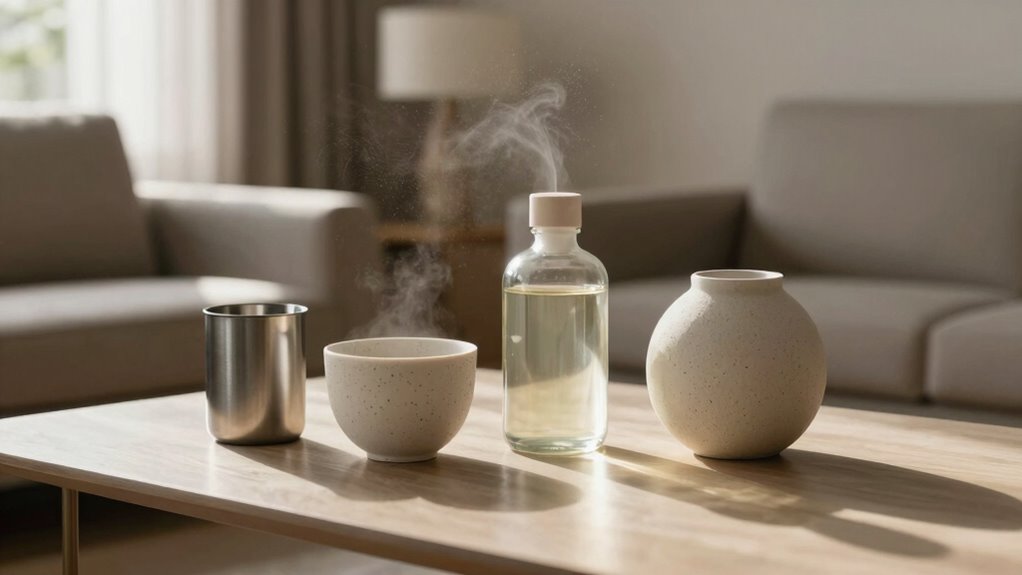

When you introduce new materials into a room, their porosity and surface area cause rapid scent changes because they quickly interact with the air. Porous materials act like sponges, instantly absorbing or releasing odors, which alters the room’s smell almost immediately. Non-porous surfaces are slower to react, holding onto odors without absorbing much. If you want to understand how different materials impact your space’s scent, there’s more to discover beyond this quick explanation.
Key Takeaways
- New materials interact immediately with air, causing rapid changes in scent profiles.
- Porous materials absorb odors quickly due to their tiny pores and large surface areas.
- Surface structure and material type influence how fast scents are absorbed and released.
- Materials like wood and fabric change room scent within minutes because of their porosity.
- Recognizing material porosity helps manage and control immediate scent alterations in a space.
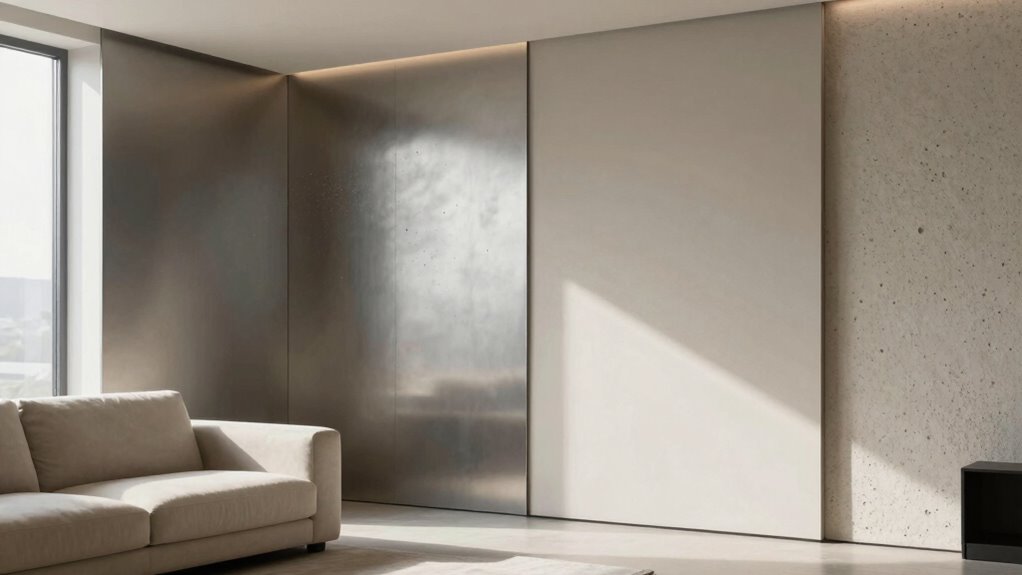
When you bring new materials into a room, the smell often changes quickly—and for good reason. The moment you add something new, it interacts with the existing air, altering the scent profile almost immediately. This rapid change is largely due to how materials absorb odors and how their porosity influences scent absorption. Different materials have varying capacities to soak up smells, which directly impacts how quickly a room’s aroma shifts.
Adding new materials instantly alters a room’s scent by absorbing odors based on their porosity and surface area.
Material porosity plays a vital role here. Porous materials, like wood, fabric, or drywall, contain tiny pores and spaces that act like sponges for airborne scents. When you introduce these materials into a room, they start trapping odors right away. Think of it as giving the smells new surfaces to cling to. This process can sometimes make a room smell fresher if the new material absorbs unpleasant odors, or it can intensify certain scents if it traps more desirable aromas. So, the porosity of the material determines how much scent it can absorb and how fast this process occurs. Material porosity also influences how well a material can release scents over time, affecting long-term odor control. Additionally, the porous surface area** of a material impacts how quickly it can absorb and release odors. Understanding how odor absorption rates** vary among materials can help in selecting items that improve or maintain your space’s scent profile.
Scent absorption isn’t just about trapping odors; it’s also about how quickly a material can do so. Porous materials tend to absorb scents faster because their tiny pores provide a larger surface area for odors to cling to. For example, a thick fabric or a wooden piece can soak up smells rapidly, changing the overall scent of the space within minutes. Conversely, non-porous surfaces like glass or metal don’t absorb odors well. They might reflect or simply sit on the surface, meaning the room’s scent won’t shift as quickly when these materials are introduced.
The interaction between scent absorption and material porosity explains why some rooms seem to change smell instantly when new items are added, while others take longer. If you bring in a new piece of furniture or a fabric curtain, expect the scent to shift almost immediately, especially if it’s made of a highly porous material. Porous materials can act as active scent reservoirs, actively influencing the air quality and aroma in real-time. This process isn’t just about adding pleasant or unpleasant smells; it’s about how the materials in your space act as scent reservoirs, actively influencing the air quality and aroma in real-time. Recognizing material porosity can be a useful tool in managing your space’s overall scent profile.

Wood Stain, 8.5oz/250ml Water Based Wood Stain for Indoor and Outdoor Furniture, Cabinet, Wood Panel, Door, Trim and More – Fast Drying, Low Odor&Non-Toxic, Easy to Apply, Multiple Finishes (Teak)
- Safe for Indoor Use: Non-toxic, low odor, environmentally friendly
- Deep, Rich Color: Penetrates wood for professional finish
- Excellent Coverage: Covers 90-120 sq. ft. per 250ml
As an affiliate, we earn on qualifying purchases.
As an affiliate, we earn on qualifying purchases.
Frequently Asked Questions
Do New Materials Always Improve Room Scent Quickly?
No, new materials don’t always improve the room scent quickly. Material durability influences how long a scent lasts, with some materials holding odors longer than others. Additionally, scent absorption varies; porous materials absorb and release smells faster, making your room smell fresher sooner. But if the material is less absorbent or durable, it might take longer or not considerably change the scent. So, it depends on the specific material properties.
How Long Does It Take for Materials to Affect Smell?
It typically takes a few hours to a few days for materials to affect a room’s smell, depending on their porosity and ability for odor absorption. Porous materials like wood or fabric absorb odors quickly, while less porous ones do so more slowly. As you introduce new materials, expect the scent to change gradually as they absorb and release odors, influencing the room’s overall smell over time.
Are Some Materials Worse for Room Odors Than Others?
Yes, some materials are worse for room odors than others. Highly porous materials, like fabric or untreated wood, absorb scents quickly through their porosity, making odors linger longer. Conversely, non-porous materials like metal or sealed plastic don’t absorb scents as much, so odors dissipate faster. Your choice of materials impacts how long odors stay in a room, with porous options often intensifying and prolonging unwanted smells.
Can New Materials Cause Allergic Reactions Due to Smell?
Yes, new materials can cause allergic reactions due to smell. Synthetic fragrances in these materials often emit volatile compounds that irritate sensitive individuals, leading to allergic responses. Unlike natural odors, which tend to be less irritating, synthetic fragrances may contain chemicals that trigger symptoms like sneezing, headaches, or skin reactions. If you’re sensitive, it’s wise to choose materials with minimal or no synthetic fragrances to reduce allergy risks.
Do Cleaning Methods Influence How Materials Change Room Smell?
Cleaning methods profoundly influence how materials change a room’s smell. You might think your efforts only freshen things up, but they actually impact air quality and material durability. Proper cleaning reduces lingering odors and prevents buildup that can cause smells to intensify. If you neglect cleaning, odors become like a stubborn fog, affecting air quality and speeding up material degradation. Regular, thorough cleaning keeps your space smelling fresh and preserves your materials longer.

Zep ZUAIR32 Air and Fabric Odor Eliminator 32 oz
- Eliminates odors at the source: Zep commercial air and fabric odor eliminator
- Brand: Zep
- Ease of use: Easy to use
As an affiliate, we earn on qualifying purchases.
As an affiliate, we earn on qualifying purchases.
Conclusion
So, next time you step into a room with new materials, remember it’s like releasing a wave of scent that can transform your space instantly. Your nose is more powerful than you think, capable of detecting changes faster than lightning strikes. That fresh, unfamiliar smell isn’t just a temporary whiff—it’s a whirlwind that can redefine your entire atmosphere in seconds. Embrace the change and let your senses guide you through the fascinating world of new materials.
scent neutralizing drywall panels
As an affiliate, we earn on qualifying purchases.
As an affiliate, we earn on qualifying purchases.

Amazon Basics Gel Odor Eliminator, Activated Charcoal, Fragrance Free, 17 Oz, 1-Pack
- Product Quantity: 17 oz Gel Odor Eliminator
- Fragrance-Free: Unscented activated charcoal
- Versatile Use: Suitable for closets, bathrooms, garages, and more
As an affiliate, we earn on qualifying purchases.
As an affiliate, we earn on qualifying purchases.