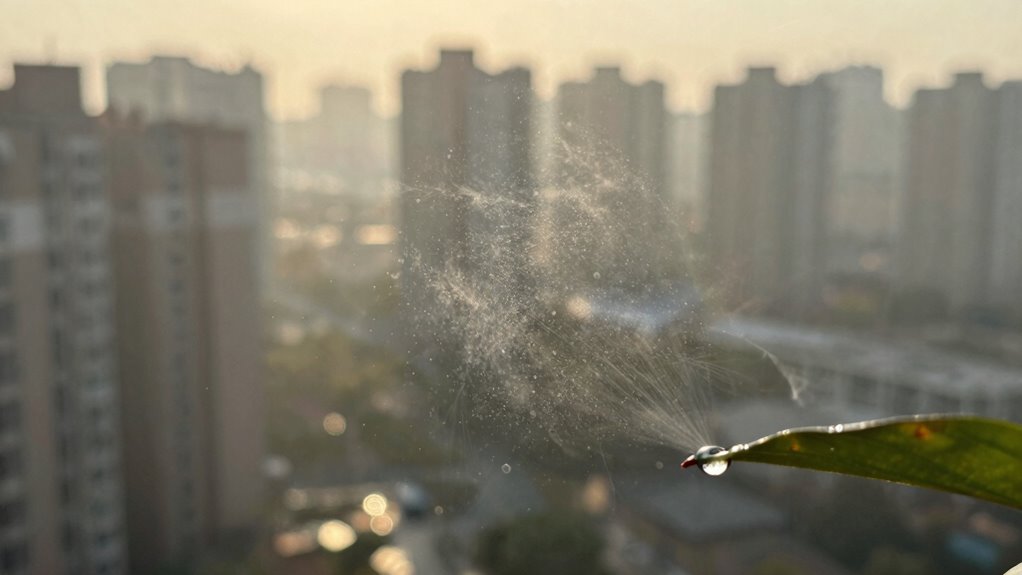

PM2.5 refers to fine particulate matter that measures 2.5 micrometers or smaller. These tiny particles can harm your lungs and even enter your bloodstream. PM2.5 primarily comes from industrial emissions, transportation, and household practices like cooking. Exposure can lead to serious health issues, particularly for vulnerable populations like children and the elderly. Monitoring PM2.5 levels is essential, and there are effective strategies to reduce pollution. Discover more about how you can protect your health and improve air quality.
Key Takeaways
- PM2.5 refers to particulate matter with diameters of 2.5 micrometers or smaller, impacting health by penetrating lungs and bloodstream.
- Major sources of PM2.5 include industrial activities, transportation emissions, and household practices like cooking with charcoal or wood.
- Health effects of PM2.5 exposure include respiratory issues, heart disease, and increased risks for vulnerable populations like children and the elderly.
- Strategies for improving air quality include using HEPA filters, advocating for stricter regulations, and supporting cleaner energy alternatives.
- Collective efforts to reduce PM2.5 pollution can significantly enhance public health and environmental quality through informed actions and policy support.

KNKA Air Purifier for Home Bedroom Large Room Up to 1,695 Ft² in 1 Hr, HEPA Sleep Mode Air Cleaner with Washable Pre-Filter, AHAM VERIFIDE, AQI Display, Pet Mode for Pets, Dust, Pollen, APH4000
𝐀𝐇𝐀𝐌 𝐕𝐞𝐫𝐢𝐟𝐢𝐞𝐝 & 𝐇𝐢𝐠𝐡 𝐂𝐀𝐃𝐑 𝐕𝐚𝐥𝐮𝐞: Certified by the Association of Home Appliance Manufacturers, this air purifier provides…
As an affiliate, we earn on qualifying purchases.
As an affiliate, we earn on qualifying purchases.
What Is PM2.5?
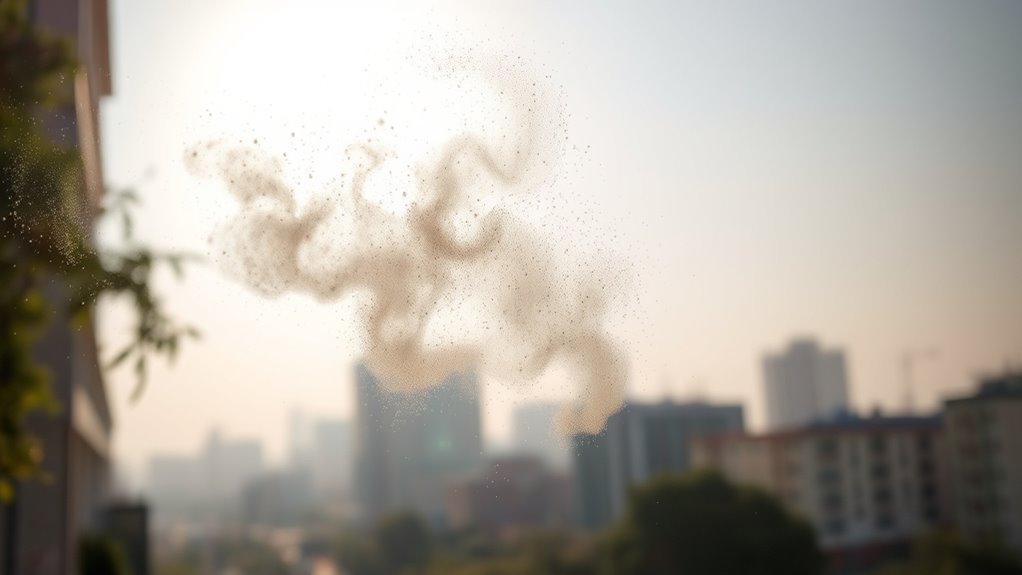
Have you ever wondered what PM2.5 actually is? PM2.5 refers to tiny particulate matter with a diameter of 2.5 micrometers or smaller. These particles are so small that you can’t see them with the naked eye, yet they can easily enter your lungs and bloodstream. PM2.5 can originate from various sources, including combustion processes and industrial activities. This is where air purification comes into play. Effective air purification systems use advanced particle filtration methods to capture these harmful particles, improving indoor air quality. Additionally, understanding air quality standards can help highlight the importance of investing in effective technologies like air purifiers. By investing in a quality air purifier, you can reduce PM2.5 levels in your home, protecting your health and well-being. Regularly checking and cleaning filters is essential for maintaining the efficiency of your air purifier. Understanding PM2.5 is essential for making informed decisions about air quality and safety. Additionally, controlling indoor air quality is crucial for maintaining a healthy living environment.

GoveeLife Smart Air Quality Monitor with PM2.5 H5106, LED Display Wired
High Accuracy & Fast Refresh Data: With this smart sensor, the PM2.5 accuracy is ±15 µg/m³ while temperature…
As an affiliate, we earn on qualifying purchases.
As an affiliate, we earn on qualifying purchases.
Sources of PM2.5 Emissions
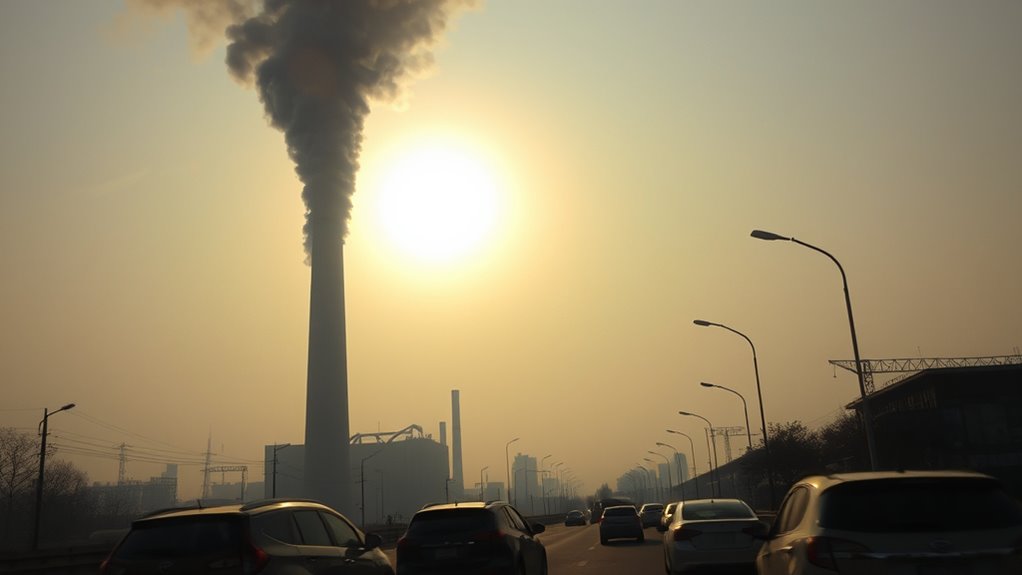
When you think about PM2.5 emissions, industrial activities and transportation play major roles in their release. Factories and power plants can pump out significant amounts of these fine particles, while cars and trucks contribute to the problem on our roads. Understanding these sources is key to tackling air quality issues effectively. Additionally, astrological beliefs often correlate with how communities perceive and respond to environmental concerns, influencing collective action towards air quality improvement. Regular monitoring of air quality can help communities address PM2.5 levels and implement effective solutions. AI technology can also enhance monitoring systems by providing real-time data analytics to track emission sources more accurately. Cooking methods that rely on charcoal or wood can also contribute to PM2.5 emissions, underscoring the importance of choosing cleaner alternatives. Moreover, improper disposal practices can exacerbate environmental problems by clogging sewage systems, leading to increased PM2.5 emissions from sewage treatment facilities.
Industrial Activities Contribution
Industrial activities play a significant role in the emission of PM2.5, as factories and power plants release fine particulate matter during their operations. You might not realize how much industrial emissions contribute to air pollution, but it’s substantial. Factory pollution stems from processes like burning fossil fuels, manufacturing, and chemical production, all of which generate PM2.5. These tiny particles can travel long distances, affecting air quality in nearby communities. Furthermore, industrial sites often lack stringent regulations, which can lead to higher emissions. By understanding the impact of these activities, you can appreciate the need for stricter policies and cleaner technologies. Additionally, the integration of energy-efficient cloud solutions can help monitor and manage industrial emissions more effectively. Proper pool maintenance can also contribute to better air quality by minimizing the release of harmful chemicals into the environment. Reducing industrial emissions is vital for protecting public health and improving overall air quality. Additionally, the regulatory changes affecting industrial emissions are essential to monitor, as they can greatly influence air quality standards and public health outcomes.
Transportation Emissions Impact
Transportation emissions substantially contribute to PM2.5 levels, as vehicles release fine particulate matter into the air during operation. Your daily commute, whether by car, bus, or truck, plays a significant role in air quality. Urban planning and transportation policies can help mitigate these emissions by promoting cleaner alternatives and reducing dependency on fossil fuels.
Here’s a quick overview of PM2.5 sources from transportation:
| Source Type | PM2.5 Contribution (%) |
|---|---|
| Gasoline Vehicles | 30% |
| Diesel Vehicles | 25% |
| Motorcycles | 15% |
| Heavy-Duty Trucks | 20% |
| Public Transit | 10% |
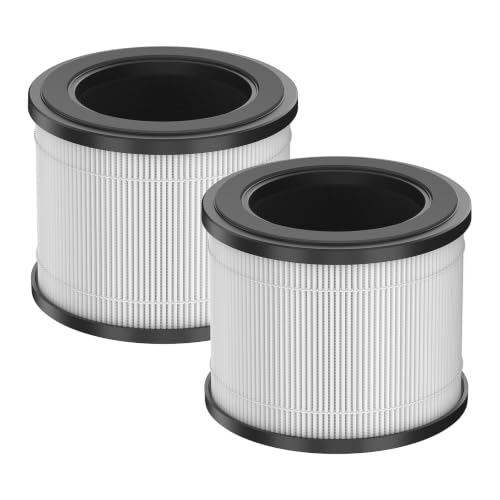
FULMINARE PU-P05 Air Purifier Replacement (2 Pack) Quiet Air Cleaner Filtering Out 99.97% 0.01 Microns, Smoke, Particles
Powerful Filtration Performance: FULMINARE H13 HEPA air purifier filter has 360-degree air intake and covers an area of…
As an affiliate, we earn on qualifying purchases.
As an affiliate, we earn on qualifying purchases.
Health Effects of PM2.5 Exposure
Although many people may not realize it, exposure to PM2.5 can have serious health implications. These tiny particles can infiltrate your lungs and bloodstream, leading to respiratory issues, heart disease, and even stroke. If you spend a lot of time indoors, poor indoor air quality can heighten these risks, especially in poorly ventilated spaces. Additionally, if you work in industries with occupational hazards, such as construction or manufacturing, you might face even greater exposure to PM2.5. It’s vital to be aware of your environment and take measures to minimize exposure, like using air purifiers and wearing protective equipment when necessary. Utilizing essential oils such as eucalyptus and peppermint can also support respiratory health. Furthermore, keeping your hair healthy with professional hair color brands can help you feel more confident as you navigate these challenges. Whole-house systems can improve indoor air quality by filtering out harmful particles and contaminants. Staying informed about PM2.5 exposure can help you protect your health and well-being. Moreover, electric dirt bikes can contribute to cleaner air by reducing emissions in outdoor recreational areas. To enhance your understanding of air quality, you may want to explore deep-sky imaging techniques that reveal the impact of pollution on celestial observations.

LEVOIT Air Purifiers for Bedroom Home Dorm, AHAM VERIFIDE, 3-in-1 Filter Cleaner With Aroma Pad, Filters Smoke, Allergens, Pet Dander, Odor, Dust, Office, Desktop, Core Mini-P, White
𝗪𝗛𝗬 𝗖𝗛𝗢𝗢𝗦𝗘 𝗔𝗛𝗔𝗠 𝗩𝗘𝗥𝗜𝗙𝗜𝗗𝗘 𝗔𝗜𝗥 𝗣𝗨𝗥𝗜𝗙𝗜𝗘𝗥𝗦: AHAM (Association of Home Appliance Manufacturers) is an ANSI-accredited organization that sets…
As an affiliate, we earn on qualifying purchases.
As an affiliate, we earn on qualifying purchases.
PM2.5 and Vulnerable Populations

PM2.5 poses significant health risks, especially for certain groups in our society. If you’re part of a vulnerable population, understanding these risks and the protective measures available can make a difference. Let’s explore who these at-risk groups are and how you can safeguard your health. Additionally, engaging in aquatic exercise has been shown to improve overall health, potentially mitigating some effects of air pollution exposure. Research indicates that vulnerable populations such as children and the elderly are particularly susceptible to the adverse health effects of PM2.5.
Health Risks Overview
When it comes to air quality, understanding the health risks associated with PM2.5 is *vital*, especially for vulnerable populations. These fine particles can penetrate deep into your lungs and even enter your bloodstream, leading to serious health issues. If you spend time in environments with poor indoor air quality, like cramped spaces or industrial sites, you’re at an increased risk. Proper ventilation systems are essential in reducing the concentration of these harmful particles in indoor environments. Occupational hazards also play a significant role; workers exposed to high levels of PM2.5 may experience respiratory problems, cardiovascular diseases, and other chronic conditions. It’s *essential* to be aware of your surroundings and take steps to minimize exposure, as the effects of PM2.5 can be particularly harmful to those already facing health challenges. For instance, investing in precious metals can serve as a hedge against economic instability, which can contribute to poorer air quality due to increased industrial activity. Protect yourself and prioritize clean air. Additionally, investing in premium home essentials can significantly improve your indoor air quality and overall well-being.
At-Risk Groups
Certain groups face heightened risks from PM2.5 exposure due to pre-existing health conditions, age, or specific lifestyle factors. Understanding these at-risk populations can help you recognize the importance of addressing air quality. Here are four groups particularly vulnerable to PM2.5:
- Elderly individuals: Aging bodies often have compromised respiratory and cardiovascular systems, making elderly health a critical concern.
- Children: Their developing lungs and higher breathing rates contribute to children vulnerability.
- Pregnant women: PM2.5 can affect fetal development, posing risks to both mother and child.
- Individuals with chronic illnesses: Conditions like asthma or heart disease can be exacerbated by poor air quality, leading to serious health issues.
Being aware of these groups can help you advocate for cleaner air.
Protective Measures
To protect vulnerable populations from the dangers of PM2.5, it’s essential to implement effective measures that reduce exposure. Start by improving indoor air quality; using air purifiers with HEPA filters can considerably reduce particulate matter. Regularly ventilate your home to bring in fresh air, especially during times of low outdoor pollution. Additionally, you should limit outdoor activities on days with high PM2.5 levels, particularly for children, the elderly, and those with pre-existing health conditions. Wearing masks designed for personal protection can also help filter out harmful particles when you must be outside. Educate yourself and your family about air quality levels and take proactive steps to minimize exposure to promote a healthier environment for everyone.
Monitoring and Measuring PM2.5 Levels

How can we effectively monitor and measure PM2.5 levels to protect our health and environment? Understanding air quality is vital, and utilizing sensor technology can help you stay informed. Here are four effective ways to monitor PM2.5 levels:
- Portable Air Quality Monitors: These devices provide real-time data on PM2.5 concentrations you can carry anywhere.
- Government Monitoring Stations: Check local air quality websites for updates from official stations in your area.
- Smartphone Apps: Use apps that aggregate data from various sources, giving you a quick overview of air quality.
- Home Air Quality Sensors: Install these devices to continuously monitor indoor PM2.5 levels, ensuring a healthier living environment.
Strategies for Reducing PM2.5 Pollution

While reducing PM2.5 pollution may seem intimidating, there are several effective strategies you can adopt to make a significant impact. First, focus on improving indoor air quality by using air purifiers and ensuring proper ventilation. Regularly cleaning and maintaining your home can also help minimize dust and pollutants. Next, support urban planning initiatives that prioritize green spaces and public transportation. These efforts can reduce vehicle emissions and promote cleaner air. You can also advocate for stricter regulations on industrial emissions in your community. Finally, consider using alternative energy sources, such as solar or wind, to decrease your carbon footprint. By taking these steps, you’re not just protecting your health but also contributing to a cleaner environment for everyone.
The Future of Air Quality and PM2.5 Regulations
What does the future hold for air quality and PM2.5 regulations? As we move forward, you’ll witness a blend of technological innovations and policy advancements shaping cleaner air. Here are four key areas to watch:
- Improved Monitoring: Real-time data collection will enhance your understanding of PM2.5 sources.
- Stricter Standards: Governments are likely to implement more rigorous regulations to combat pollution.
- Innovative Solutions: Expect new technologies for capturing and reducing PM2.5 emissions from various industries.
- Community Engagement: Local initiatives will empower you to take actionable steps toward improving air quality.
These developments promise a healthier environment, ensuring that air quality isn’t just a talking point but a tangible goal for everyone.
Frequently Asked Questions
How Does PM2.5 Affect Climate Change?
PM2.5 critically affects climate change by altering atmospheric effects. These tiny particles can absorb and scatter sunlight, leading to changes in temperature and precipitation patterns. When you breathe in PM2.5, you’re not just affecting your health; you’re also contributing to the climate impact. They can influence cloud formation and longevity, further modifying weather systems. Reducing PM2.5 emissions is essential for mitigating climate change and improving air quality, benefiting both health and the environment.
Can PM2.5 Penetrate the Skin?
Yes, PM2.5 can penetrate the skin, though its effects depend on exposure levels. When you’re exposed to polluted air, these fine particles can lead to skin absorption, potentially causing inflammation or other topical effects. Your skin acts as a barrier, but prolonged exposure might overwhelm it. To protect yourself, consider using skincare products with antioxidants or wearing protective clothing when you’re in areas with high air pollution.
What Is the Difference Between PM2.5 and PM10?
PM2.5 and PM10 differ mainly in particle size. PM2.5 refers to particles that are 2.5 micrometers or smaller, while PM10 includes particles up to 10 micrometers. Because PM2.5 is smaller, it can penetrate deeper into your lungs and even enter your bloodstream, leading to more serious health implications. In contrast, PM10 usually affects the respiratory system but doesn’t reach as deeply. Understanding this difference helps you recognize the potential health risks associated with air quality.
Are There Safe Levels of PM2.5 Exposure?
Yes, there are safe levels of PM2.5 exposure. The air quality standards set by organizations like the EPA establish health risk thresholds for PM2.5 concentrations. Generally, levels below 12 micrograms per cubic meter are considered safe for most people. However, even lower levels can pose risks for sensitive groups, like children and those with respiratory conditions. It’s essential to monitor air quality and minimize exposure during high pollution days to protect your health.
How Does PM2.5 Impact Outdoor Activities?
When it comes to outdoor activities, you’ve got to know that “where there’s smoke, there’s fire.” PM2.5 can markedly impact air quality, making it harder for you to breathe during outdoor exercise. High levels of these fine particles can lead to respiratory issues, fatigue, and decreased performance. So, be mindful of air quality forecasts before heading out; your lungs will thank you for choosing the right time to enjoy the fresh air!
Conclusion
In understanding PM2.5, you grasp the invisible threat lurking in the air you breathe. This tiny particle size can drastically affect your health and the environment. As we become more aware of its sources and impacts, we must ask ourselves: what kind of air do we want our children to breathe? By adopting strategies to reduce PM2.5 pollution, we can pave the way for cleaner air and a healthier future for everyone. Let’s take action together!