You can quickly improve your home’s air quality by regularly checking and cleaning or replacing filters in your air purifier, ensuring it runs efficiently. Open windows often to boost airflow, and use exhaust fans during activities like cooking or cleaning. Controlling humidity with a dehumidifier or humidifier helps prevent mold and dust mites. Upgrading or maintaining your ventilation system also makes a big difference. Stay tuned, as you’ll find more simple ways to create a healthier, more comfortable space.
Key Takeaways
- Regularly check and replace or clean air filters to maintain purifier efficiency and reduce indoor pollutants.
- Improve airflow by installing or upgrading exhaust fans and adding air exchange systems.
- Open windows frequently and use exhaust fans during activities to promote fresh air circulation.
- Manage indoor humidity with humidifiers or dehumidifiers to prevent mold and dust mites.
- Combine filter maintenance, ventilation upgrades, and humidity control for comprehensive air quality improvement.
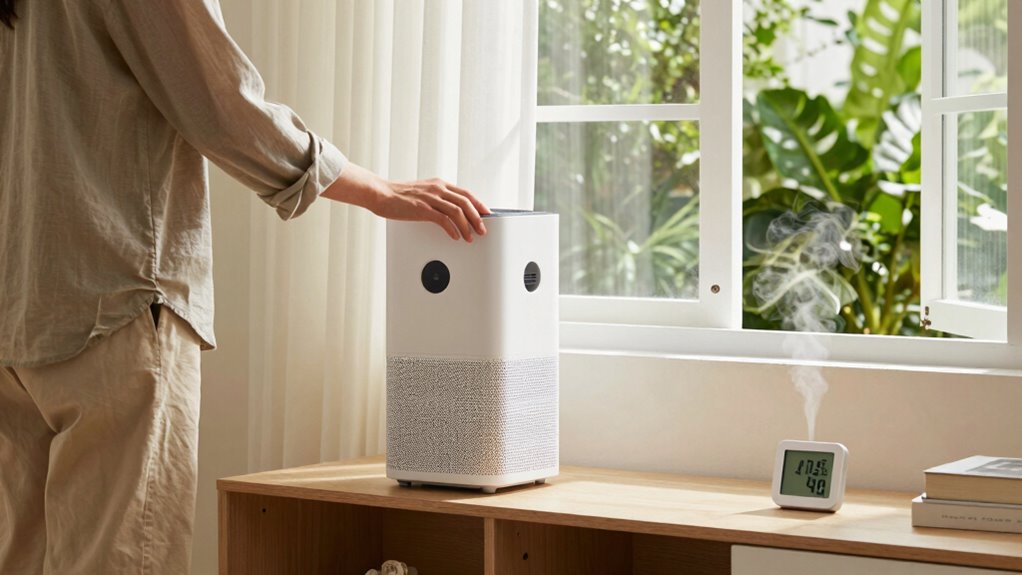
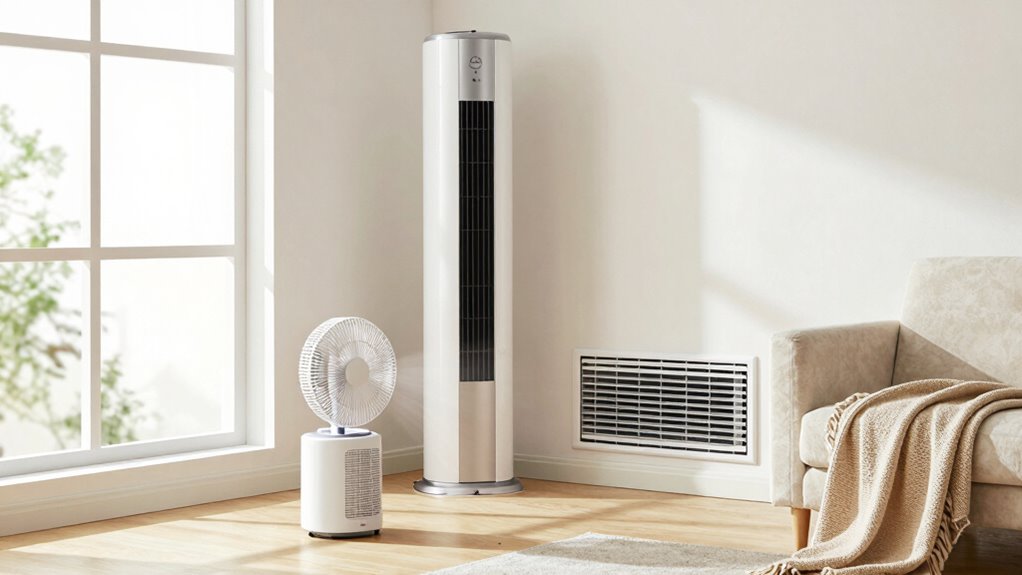
Have you ever wondered how to quickly improve your home’s air quality without calling in professionals? It’s easier than you might think. Small, straightforward steps can make a noticeable difference in your daily comfort. One of the first things you can do is focus on air purifier maintenance. If you have an air purifier, check the filters regularly. Dirty or clogged filters reduce efficiency and can circulate trapped pollutants back into your living space. Replacing or cleaning filters according to the manufacturer’s instructions ensures your purifier works effectively. This simple act can considerably reduce dust, allergens, and odors, making the air cleaner and healthier to breathe.
Regularly check and replace your air purifier filters for cleaner, healthier indoor air.
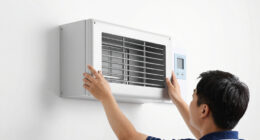
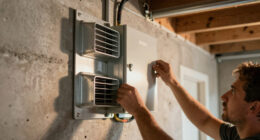
Alongside air purifier upkeep, consider upgrading your ventilation system. Many homes rely on outdated or poorly functioning ventilation, which can trap stale air, humidity, and indoor pollutants. Upgrading your ventilation system doesn’t mean a complete overhaul — sometimes, installing a more efficient exhaust fan or adding an air exchange system can improve airflow dramatically. Better ventilation helps remove excess moisture, odors, and airborne toxins, creating a fresher environment. If you notice persistent stuffiness or mold issues, this is often a sign your current system isn’t doing its job. Investing in ventilation system upgrades can be a quick fix that boosts comfort and indoor air quality almost instantly. Regular ventilation practices, such as opening windows or using exhaust fans, can further enhance this effort. Additionally, incorporating proper air circulation techniques can help distribute clean air more evenly throughout your home, improving overall air quality and comfort.
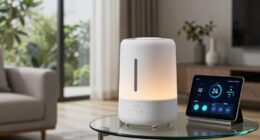
Furthermore, maintaining proper humidity levels through humidification or dehumidification can prevent mold growth and reduce dust mites, contributing to a healthier indoor environment.

Core Mini Replacement Filter Compatible with LEVOIT Core Mini Air Purifier,Core Mini-P, Replace Part #Core Mini-RF, 2 Filter & 10 Fragrance Sponge
【Fully Compatible with Core Mini/Core Mini-P】The premium Core Mini replacement filter is specially designed for LEVOIT Core Mini-P…
As an affiliate, we earn on qualifying purchases.
As an affiliate, we earn on qualifying purchases.
Frequently Asked Questions
How Often Should I Replace My Air Filters?
You should replace your air filter every 1 to 3 months, depending on its lifespan and your home’s air quality. The typical air filter lifespan varies based on usage, pets, and allergy sensitivities. Check your filter regularly; if it looks dirty or clogged, it’s time for a replacement. Maintaining the proper replacement frequency guarantees cleaner air and more efficient HVAC performance, improving your home comfort quickly.
Can Sealing Windows Improve Indoor Air Quality?
Imagine sealing your windows like locking out unwanted intruders—this simple act can substantially boost your indoor air quality. By applying window insulation, you prevent drafts and block outdoor pollutants from sneaking inside, creating a cleaner, more comfortable space. Sealing windows reduces the infiltration of indoor pollutants, allergens, and dust, helping you breathe easier. It’s an easy, cost-effective way to improve your home’s air quality and enjoy fresher, healthier indoor air every day.
Is It Safe to Use DIY Air Purifiers?
Yes, using DIY air purifiers can be safe if you choose the right air purifier types and follow proper DIY filtration methods. You should guarantee your DIY setup uses effective filters like HEPA or activated carbon, and that it’s assembled securely to avoid hazards. Avoid using uncertified or homemade devices that lack proper filtration or electrical safety features. Always research thoroughly and prioritize safety when building or using DIY air purifiers.
What’s the Best Way to Reduce Indoor Humidity?
Reducing indoor humidity is like taming a wild beast—control it, and you’ll breathe easier. Use a dehumidifier and perform regular maintenance, like cleaning filters and emptying the tank. Keep windows open during dry weather and fix leaks promptly. Lower humidity levels help prevent mold growth and improve comfort. Consistent dehumidifier care guarantees effective mold prevention and keeps your home feeling fresh and dry.
Do Air Vents Need Regular Cleaning?
Yes, air vents need regular cleaning to guarantee proper airflow and indoor air quality. Air vent maintenance removes dust, mold, and debris that can obstruct ventilation improvements and reduce efficiency. Regular cleaning helps prevent allergens and improves comfort. You should check and clean vents at least once a year, especially if you notice dust buildup or poor airflow, to keep your HVAC system running smoothly and maintain a healthier home environment.

Amico 8 inch Kitchen Exhaust Fan with Remote, 686 CFM High Airflow Extractor Fan, Energy Efficient 29W EC Motor Ventilation Fan for Garage, Attic & Greenhouse, 9-Speed, Timer, Low Noise 50dB,FCC,Black
【Massive 686 CFM Exhaust Power】Powered by a high-speed 2873 RPM motor, this kitchen exhaust fan rapidly expels intense…
As an affiliate, we earn on qualifying purchases.
As an affiliate, we earn on qualifying purchases.
Conclusion
By trying these simple home air fixes, you’ll transform your space into a sanctuary of comfort faster than you can say “breathe easy.” With just a few quick adjustments, you’ll banish stale air and welcome fresh, crisp breezes into your home — turning everyday living into an effortless breeze. So, don’t wait for perfection; your perfect indoor climate is just a few fixes away, ready to make your comfort soar like never before!

Dehumidifier, 95OZ Dehumidifier for Home 1000 Sq.Ft – Quiet with Auto Shut Off & Relaxing 7 Color Ambient Light,Ideal for Livingroom, Bedroom, Basement(Black)
Semiconductor dehumidifiers use thermoelectric cooling to remove moisture from the air. They create a drier, more comfortable environment…
As an affiliate, we earn on qualifying purchases.
As an affiliate, we earn on qualifying purchases.
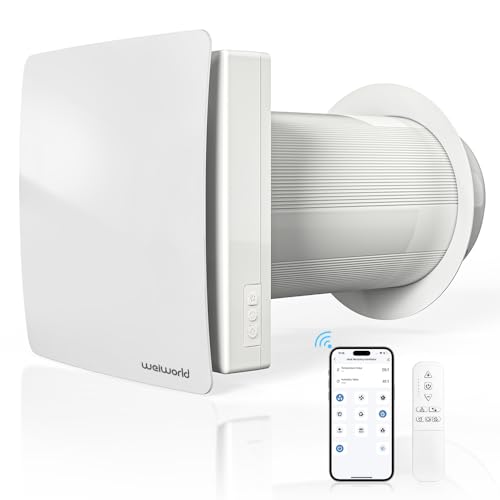
Weiworld Through Wall HEPA Ventilation Fan with WiFi & Remote Control, Ultra Quiet EC Motor Wall Vent, Fresh Air Intake & Air Exchange System for Bedroom, Home Office, Attic
【HEPA Fresh Air Ventilation Fan】Equipped with a 3-stage filtration system (pre-filter, HEPA filter, and activated carbon), this wall-mounted…
As an affiliate, we earn on qualifying purchases.
As an affiliate, we earn on qualifying purchases.