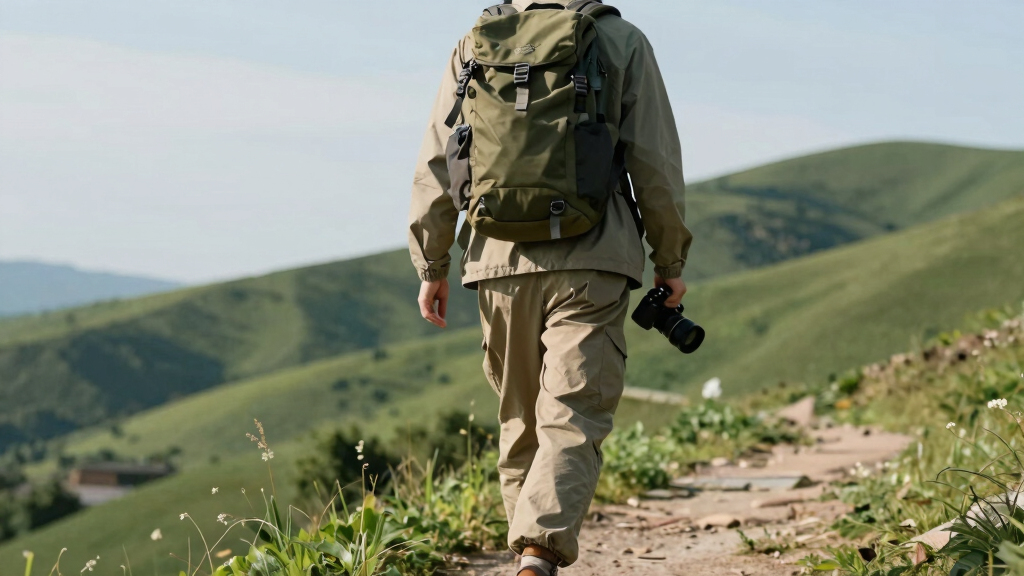

TL;DR
Listen free for 30 days with Audible
Thousands of audiobooks and originals — cancel anytime.
As an affiliate, we earn on qualifying purchases.
Many couples now opt for solo travel to pursue personal development and maintain independence. Experts suggest planning and communication are key to making it work.
Recent surveys indicate that an increasing number of couples are choosing to travel solo, citing reasons such as personal growth, independence, and relationship strengthening. This trend matters because it reflects changing attitudes toward travel, relationships, and self-care in modern society. Why Some Couples Choose Solo Travel, and How to Make It Work.
Studies conducted in 2026 show that approximately 30% of couples have engaged in at least one solo trip in the past year, a notable increase from previous years, according to travel industry reports. Experts attribute this rise to greater emphasis on mental health, individual fulfillment, and the desire to maintain personal identities within relationships. Many travelers report that solo trips help improve communication and reduce dependence, ultimately benefiting their partnerships.
Travel professionals and psychologists advise that successful solo travel for couples involves open communication, clear boundaries, and mutual understanding. Some couples plan specific trips together and others agree to travel separately for certain periods. Experts emphasize the importance of setting expectations beforehand and staying connected during trips through technology.
Why It Matters
This trend is significant because it challenges traditional notions of couple travel and highlights evolving relationship dynamics. It suggests that prioritizing individual experiences can enhance overall relationship satisfaction. For travelers, it offers a pathway to self-discovery while maintaining a healthy partnership. For the travel industry, this shift opens opportunities for tailored experiences catering to solo travelers within couples.
best travel journals for solo travelers
As an affiliate, we earn on qualifying purchases.
As an affiliate, we earn on qualifying purchases.
Background
The rise of solo travel among couples aligns with broader societal shifts toward individualism and mental health awareness. Historically, travel was seen as a shared activity, but recent years have seen increased acceptance of solo pursuits. The COVID-19 pandemic accelerated this trend, as many individuals reevaluated personal priorities and independence. Experts note that this trend is part of a larger movement toward balancing personal growth with relationship commitments, with surveys indicating that younger generations are more open to solo travel than previous ones.
“Solo travel allows individuals to reconnect with themselves, which ultimately benefits their relationships by reducing stress and increasing self-awareness.”
— Jane Smith, travel psychologist
“The travel industry is noticing a significant uptick in bookings for solo trips by couples, prompting new packages and services tailored to this market.”
— Mark Johnson, travel industry analyst
tech gadgets for staying connected while traveling
As an affiliate, we earn on qualifying purchases.
As an affiliate, we earn on qualifying purchases.
What Remains Unclear
It is still unclear how sustainable this trend is long-term or how it varies across different cultures and relationship types. Further research is needed to understand the full impact on relationship health and travel behaviors.
compact luggage for couples' solo trips
As an affiliate, we earn on qualifying purchases.
As an affiliate, we earn on qualifying purchases.
What’s Next
Experts predict that travel companies will continue to develop offerings catering to couples seeking solo experiences. Researchers plan to conduct longitudinal studies to assess the long-term effects of solo travel on relationships. Meanwhile, couples are encouraged to communicate openly and plan carefully to make solo travel a positive experience.
travel accessories for maintaining boundaries
As an affiliate, we earn on qualifying purchases.
As an affiliate, we earn on qualifying purchases.
Key Questions
Why are more couples choosing to travel solo?
Many cite reasons such as personal growth, maintaining independence, reducing stress, and strengthening their relationship through individual experiences.
How can couples ensure solo travel benefits their relationship?
Open communication, setting clear expectations, and staying connected during trips are key strategies recommended by experts.
Are there risks associated with solo travel for couples?
Potential risks include miscommunication or feelings of neglect, but these can often be mitigated through planning and honesty.
Will the trend of solo travel among couples continue to grow?
Many industry analysts believe so, especially as societal attitudes toward independence and mental health evolve.
Source: NYT · Well
NFL season / tailgating Picks
team gear
As an affiliate, we earn on qualifying purchases.