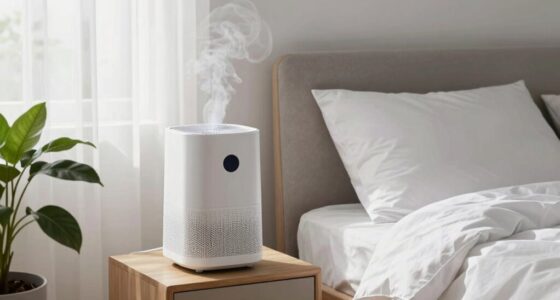
If you’re experiencing frequent headaches at home, poor air quality and inadequate ventilation might be the culprits. Dust, allergens, and pollutants can trigger discomfort and fatigue. Improving airflow by opening windows, using air purifiers, and incorporating indoor plants can create a healthier environment. Maintaining humidity levels and opting for eco-friendly cleaning supplies also helps. Want to know more about enhancing your indoor air quality and preventing those headaches? There’s plenty more to explore on this topic!
Listen free for 30 days with Audible
Thousands of audiobooks and originals — cancel anytime.
As an affiliate, we earn on qualifying purchases.
Key Takeaways
- Poor indoor air quality from allergens and pollutants can trigger headaches, indicating the need for better ventilation and air purification.
- Dust and high humidity levels contribute to headaches; regular cleaning and using dehumidifiers can mitigate these issues.
- Stuffy environments and inadequate airflow lead to lightheadedness and fatigue; enhancing ventilation systems can significantly improve comfort.
- Incorporating air-purifying plants and using HEPA air purifiers help reduce headache triggers by filtering toxins and improving air quality.
- Maintaining humidity levels between 30-50% prevents mold growth, which can also lead to headaches and respiratory problems.
Understanding the Link Between Air Quality and Headaches

While you might not think about it often, the air quality in your home can substantially impact your health, especially when it comes to headaches. Poor indoor air can trigger headaches due to allergens, dust, and pollutants lingering in your space. To combat this, consider incorporating indoor plants like snake plants or peace lilies, which can naturally filter toxins and improve air quality. Additionally, using air purifiers helps eliminate airborne particles, reducing the likelihood of headache triggers. Regularly maintaining these solutions can create a healthier environment, making it easier for you to breathe and feel comfortable. By being proactive about your home’s air quality, you can significantly lessen your chances of experiencing those annoying headaches. Investing in the best air purifiers can enhance your indoor environment and provide long-term relief from headache-inducing pollutants. Furthermore, incorporating eco-friendly natural pools can promote a more sustainable living space, contributing to overall wellness and reducing stress levels. Maintaining optimal indoor air quality is essential for your well-being and can lead to fewer health issues over time. Understanding indoor air pollution is crucial in minimizing its effects on your health and ensuring a comfortable living space. Furthermore, ensuring proper ventilation systems in your home can help maintain fresh air circulation, further reducing headache triggers.
Common Air Quality Issues in Homes

When you walk into your home, you might not realize that common air quality issues could be lurking around every corner. Poor ventilation, dust, and allergens can affect your comfort and health. Here’s a quick overview of typical problems and solutions:
| Issue | Symptoms | Solutions |
|---|---|---|
| Dust Accumulation | Sneezing, coughing | Regular cleaning |
| Allergens | Itchy eyes, headaches | Use air purifiers |
| High Humidity | Mold growth, musty smell | Dehumidifiers |
| Indoor Air Pollution | Fatigue, respiratory issues | Incorporate indoor plants |
Maintaining a healthy home environment is crucial for overall well-being, as effective storytelling about air quality can help raise awareness and inspire action. Regularly using air purifiers can significantly reduce dust accumulation and improve the overall air quality in your home. Additionally, understanding common air quality issues can empower you to take proactive steps to ensure a safer living space. Proper filtration systems can also enhance the effectiveness of your air purifiers and contribute to cleaner indoor air. Furthermore, enhancing your home with wide color gamut projectors can provide an immersive viewing experience that encourages family togetherness, creating a more enjoyable atmosphere.
Recognizing Symptoms Related to Poor Airflow

Poor airflow in your home can lead to a range of uncomfortable symptoms that might go unnoticed at first. You may experience headaches, fatigue, or even respiratory issues, often correlating with certain airflow patterns in your space. If you find yourself feeling stuffy or lightheaded, it could be a sign that air isn’t circulating properly. A well-designed ventilation system can significantly improve air quality and reduce these symptoms. Moreover, creating designated outdoor cooking spaces can help facilitate better airflow in and around your home, promoting a healthier indoor environment. Pay attention to how these symptoms fluctuate with changes in ventilation; for instance, they might worsen in rooms with poor airflow. Recognizing this symptom correlation can help you pinpoint areas that need attention. By becoming aware of how your comfort relates to airflow, you can take steps to address these issues before they escalate into more severe health concerns. Additionally, implementing smart appliances that monitor and optimize air quality can significantly improve indoor ventilation and overall well-being. Furthermore, utilizing HVAC optimization techniques can enhance airflow efficiency throughout your home. Proper airflow is also essential for ensuring deep-sky imaging setups function optimally, as stagnant air can lead to thermal issues that affect image quality.
Effective Strategies for Improving Air Quality

Improving air quality in your home is essential for your overall well-being, especially if you’ve noticed symptoms like headaches or fatigue. Here are some effective strategies to enhance your indoor environment:
- Use air purifiers to filter out harmful particles and allergens. In addition, ensure that your air purifier uses a HEPA filter for optimal performance.
- Incorporate indoor plants like spider plants or peace lilies that naturally cleanse the air. Additionally, plants like these are known for their air-purifying properties.
- Ensure proper ventilation by regularly opening windows and using exhaust fans in kitchens and bathrooms. This can help mitigate the buildup of necessary cookies that may affect indoor air quality.
- Avoid using harsh chemicals for cleaning; opt for eco-friendly alternatives instead.
- Maintain humidity levels between 30-50% to prevent mold growth and dust mites.
- Consider the impact of water quality on indoor air, as it can contribute to pool terminology that affects overall air purity. Regular testing of your water can help ensure it is free from contaminants that may compromise air quality.
Long-Term Benefits of Proper Ventilation

While you might not think about it daily, proper ventilation plays a essential role in your home’s health and comfort. Good airflow helps reduce indoor air pollutants, ensuring you breathe cleaner air. With the right ventilation, you’ll notice fewer headaches and respiratory issues, leading to a happier, healthier environment.
Incorporating indoor plants can further enhance air purification, as they naturally filter toxins and release oxygen. Over time, this combination of proper ventilation and greenery creates a more inviting atmosphere, promoting relaxation and well-being.
You’ll also save on energy costs, as efficient ventilation reduces the need for excessive heating or cooling. Investing in your ventilation system now pays off in lasting comfort and improved indoor air quality for years to come.
Frequently Asked Questions
Can Pets Contribute to Indoor Air Quality Issues?
Yes, pets can definitely contribute to indoor air quality issues. Pet dander, which is tiny flakes of skin, can trigger allergies and worsen air quality. If you don’t manage odor control effectively, pet smells can linger, adding to the problem. Regular grooming and cleaning can help minimize dander, while air purifiers can assist in controlling odors. Keeping your living space clean and well-ventilated will also promote a healthier environment for you and your pets.
How Often Should I Change My Air Filters?
You should change your air filters every 1 to 3 months, depending on your air filter lifespan and usage. If you have pets or live in a dusty area, you might want to check them more frequently. Regular ventilation maintenance is essential for ensuring good indoor air quality. Keeping your filters clean helps your HVAC system run efficiently and reduces allergens, contributing to a healthier living environment for you and your family.
What Are the Signs of Mold in My Home?
Mold in your home can feel like a silent monster lurking in the shadows. Look for signs like a musty smell, visible spots on walls or ceilings, and allergy symptoms like sneezing, coughing, or itchy eyes. If you notice any of these, it’s essential to act fast. Mold detection is important; it can seriously impact your health. Don’t let mold take over your space—address it before it becomes a bigger problem!
Can Humidifiers Help Reduce Headaches?
Yes, humidifiers can help reduce headaches. By adding moisture to the air, you improve air quality and alleviate dryness that can trigger discomfort. You’ll notice that increased humidity can ease tension in your sinuses, making it less likely for headaches to occur. Additionally, humidifier benefits include better sleep and overall comfort, which contribute to your well-being. Just be sure to maintain your humidifier to prevent mold growth and guarantee effective operation.
Are There Specific Plants That Improve Indoor Air Quality?
Yes, certain indoor plants can dramatically improve air quality. Imagine lush green leaves filtering your space, breathing life into your home. Spider plants, peace lilies, and snake plants work tirelessly to purify the air, absorbing toxins and releasing fresh oxygen. As you nurture these beauties, you’ll not only enhance your environment but also create a serene atmosphere, making your indoor oasis a healthier place to relax and thrive.
Conclusion
In the symphony of life, your home’s air quality plays a vital note. By tuning in to the signs of poor airflow and taking action, you can turn down the volume on those pesky headaches. Embrace the invigorating gust of proper ventilation and watch as your space transforms into a sanctuary of comfort. Don’t let stale air steal your harmony—make your home a breath of fresh air, where clarity flourishes and headaches fade into the background.
Flea & tick season Picks
flea and tick prevention
As an affiliate, we earn on qualifying purchases.