
TL;DR
Listen free for 30 days with Audible
Thousands of audiobooks and originals — cancel anytime.
As an affiliate, we earn on qualifying purchases.
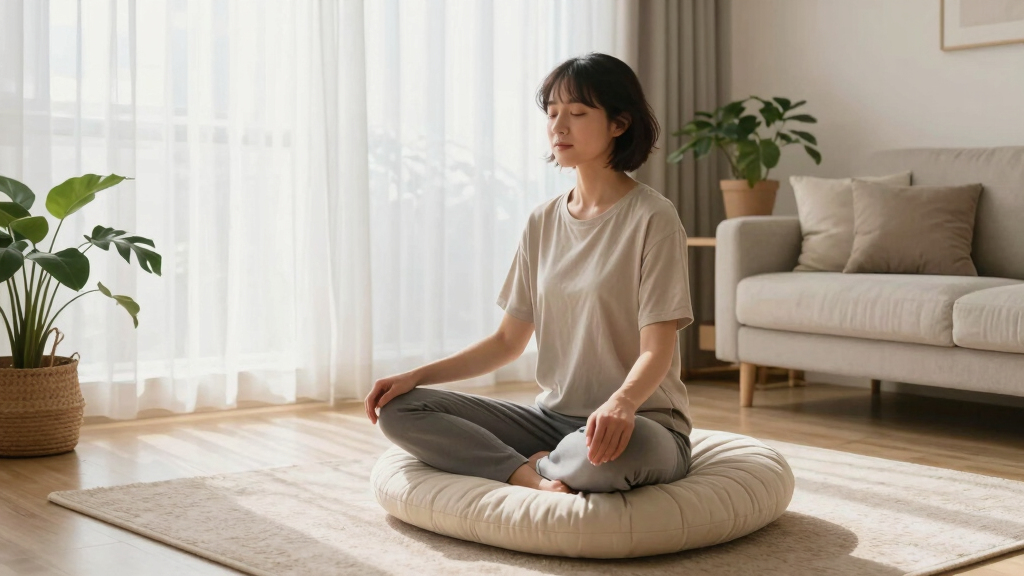
Juliana Sloane has released a guided meditation designed to foster comfort and kindness for those experiencing pain or illness. The practice emphasizes self-compassion and imaginative visualization to support symptom management and emotional resilience.
Mindfulness and meditation expert Juliana Sloane has introduced a new guided meditation aimed at providing comfort and kindness to individuals experiencing pain and illness, emphasizing self-compassion and imaginative visualization as supportive tools.
The meditation involves focusing attention on different parts of the body, relaxing muscles, and visualizing a supportive color or resource that can help ease discomfort. Sloane, a Buddhist teacher and hypnotherapist, states that these practices have been shown to support symptom management and foster patience and understanding in challenging health situations.
The practice encourages individuals to imagine the sensation of pain or discomfort as a color, then to visualize wrapping it with a supportive color that embodies kindness, patience, or understanding, infusing the affected area with healing energy.
Why It Matters
This meditation offers a non-pharmacological approach to managing chronic pain and illness, emphasizing emotional resilience and self-compassion. It may help reduce stress, improve emotional well-being, and support symptom management for individuals living with ongoing health challenges.
guided meditation for pain relief
As an affiliate, we earn on qualifying purchases.
As an affiliate, we earn on qualifying purchases.
Background
Living with chronic or complex health conditions often involves prolonged periods of uncertainty and discomfort. While traditional medical treatments focus on physical symptoms, holistic approaches like meditation are increasingly recognized for their supportive role in managing emotional and psychological impacts. Sloane’s practice builds on existing mindfulness techniques that have shown benefits in pain management and emotional regulation.
“These practices have been shown to be very supportive for symptom management, as well as finding ways to meet challenging health situations with more patience, more kindness, and more space.”
— Juliana Sloane
“By visualizing a supportive color wrapping around discomfort, individuals can infuse their body with kindness and patience, creating a healing space within.”
— Juliana Sloane
self-compassion meditation audio
As an affiliate, we earn on qualifying purchases.
As an affiliate, we earn on qualifying purchases.
What Remains Unclear
It is not yet clear how widely this meditation practice has been adopted or its measurable impact on symptom relief. Further research or clinical trials are needed to confirm its efficacy in diverse populations.
visualization meditation for chronic pain
As an affiliate, we earn on qualifying purchases.
As an affiliate, we earn on qualifying purchases.
What’s Next
Sloane plans to offer additional guided meditations and workshops focused on pain management and emotional resilience. Researchers may also explore the effectiveness of these techniques in clinical settings.
mindfulness meditation for emotional resilience
As an affiliate, we earn on qualifying purchases.
As an affiliate, we earn on qualifying purchases.
Key Questions
Can this meditation help with severe or acute pain?
This meditation is primarily designed to support ongoing discomfort and emotional resilience. Its effectiveness for severe or acute pain has not been specifically studied and should complement medical treatment.
How often should someone practice this meditation?
While there are no strict guidelines, regular practice—daily or several times a week—may enhance its benefits. Individuals should tailor the practice to their needs and consult healthcare providers for personalized advice.
Is prior meditation experience necessary to benefit from this practice?
No. The meditation is accessible for beginners and emphasizes imagination and mindfulness that can be adapted to different experience levels.
Are there any risks associated with this meditation?
This practice is generally safe; however, individuals with severe mental health conditions should consult a healthcare professional before engaging in guided imagery or mindfulness exercises.
Source: Mindful
NFL season / tailgating Picks
team gear
As an affiliate, we earn on qualifying purchases.