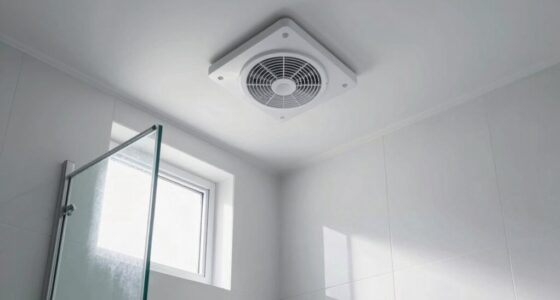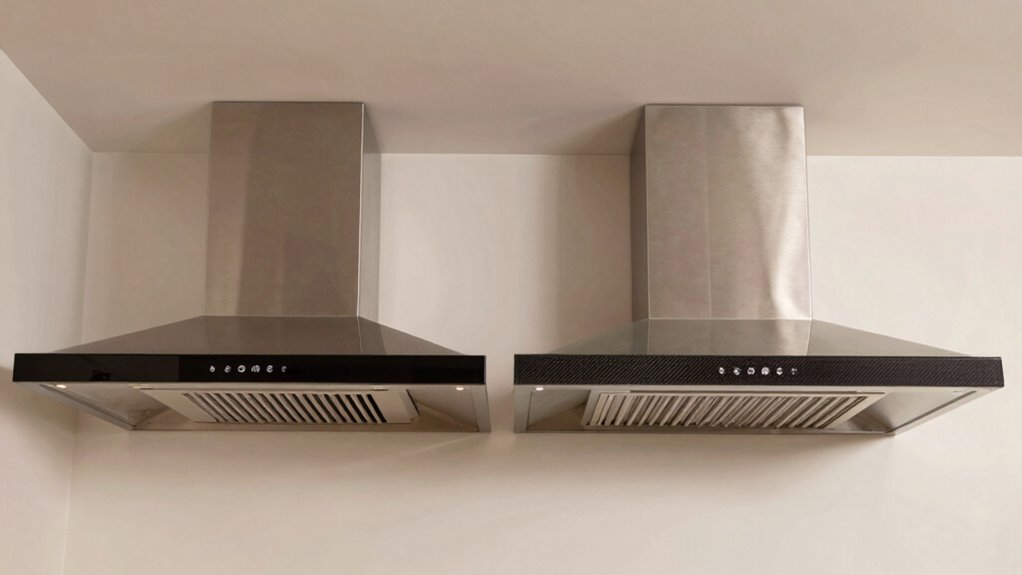

Ducted hoods vent air outside your kitchen, offering better airflow and cleaning performance, but they require complex installation and higher upfront costs due to ductwork. Recirculating hoods are simpler and cheaper to install, trapping pollutants with filters, but their efficiency can decrease over time and demand regular filter maintenance. Your choice depends on your kitchen space, budget, and willingness to handle ongoing upkeep — explore further to determine the best match for your needs.

Get health and wellness essentials delivered free with Prime
- Fast, free delivery on millions of items
- Prime Video, Amazon Music and more included
- Member-only deals all year
Key Takeaways
- Ducted hoods vent air outside, while recirculating hoods filter air internally using charcoal or carbon filters.
- Ducted systems have higher installation costs due to ductwork, whereas recirculating models are easier and cheaper to install.
- Ducted hoods provide superior airflow and odor removal compared to recirculating hoods.
- Recirculating hoods require regular filter replacements, while ducted systems need less maintenance over time.
- The choice depends on kitchen layout, budget, and desired performance.

When choosing a kitchen hood, understanding the key differences between ducted and recirculating models is essential. This knowledge helps you make an informed decision based on your kitchen’s layout, your budget, and your cleaning preferences. One of the main factors to consider is installation costs. Ducted hoods generally require more extensive work because they need to be connected to a vent system that leads outside. This often means cutting into walls or ceilings, which can increase the overall installation costs. Conversely, recirculating hoods are typically easier and cheaper to install since they don’t require ductwork; they just sit above your stove and use filters to clean the air before releasing it back into the kitchen.
Airflow efficiency is another critical aspect to weigh. Ducted hoods excel at removing airborne grease, smoke, and odors quickly and effectively because they vent contaminated air outside. This means your kitchen stays fresher, especially during heavy cooking sessions. Because they vent directly outside, ducted hoods usually have higher airflow efficiency, which translates into better performance in clearing the air. On the other hand, recirculating hoods rely on filters—usually charcoal or carbon—to trap pollutants and odors. While these filters can be effective, they tend to clog over time and require regular replacement, which can impact airflow efficiency. Over time, a recirculating hood might not be as effective in cleaning the air as a ducted model, especially in busy kitchens or those with heavy cooking. Proper maintenance** is crucial for recirculating systems to continue functioning efficiently. Additionally, understanding the filter types** and their lifespan can help manage ongoing maintenance needs more effectively.
Another aspect worth considering is maintenance. Ducted hoods generally need less frequent filter replacement since they vent air outside, but they do require occasional cleaning of the ductwork to prevent buildup. Recirculating hoods demand regular filter changes to maintain performance, adding to ongoing maintenance costs. If you prefer a low-maintenance setup, a ducted system might be more appealing despite its higher initial installation costs. However, it’s also important to consider ventilation options and how they align with your kitchen’s design and your lifestyle. If ease and speed of installation are your priorities, a recirculating hood offers a straightforward, less invasive option.
Ultimately, your choice depends on your kitchen’s design, your budget, and how much effort you’re willing to put into maintenance. Ducted hoods provide superior airflow efficiency but come with higher installation costs. Recirculating hoods are more budget-friendly upfront and easier to install but might compromise airflow efficiency over time. Weighing these factors carefully will help you select the best hood for your cooking space.
As an affiliate, we earn on qualifying purchases.
Frequently Asked Questions
How Long Does Installation Typically Take for Each Hood Type?
Installation typically takes about 2 to 4 hours for a ducted hood, depending on your kitchen setup, while recirculating hoods usually take less time, around 1 to 3 hours. Your installation timeline can vary based on your home’s layout and whether ductwork needs to be added. When comparing costs, ducted systems tend to be more expensive initially due to installation complexity, but they often save money long-term by offering better ventilation efficiency.
Which Hood Type Is More Energy-Efficient?
Are you wondering which hood type saves more energy? Ducted hoods are generally more energy-efficient because they vent air directly outside, improving ventilation efficiency and maintaining better air quality. Recirculating hoods, on the other hand, use filters and recirculate air, which consumes more energy and may reduce ventilation efficiency. So, if energy savings and ideal air quality matter most, a ducted hood is the smarter choice.
Can a Recirculating Hood Be Upgraded to a Ducted System?
Yes, you can upgrade a recirculating hood to a ducted system. You’ll need to install ductwork to vent air outside, which improves air quality by removing fumes and odors more effectively. Keep in mind, the cost comparison involves higher initial expenses for installation but offers better air quality and energy efficiency over time. Upgrading can enhance your kitchen’s ventilation, making it healthier and more comfortable.
Are There Noise Level Differences Between Ducted and Recirculating Hoods?
You’ll notice a noise comparison when comparing ducted and recirculating hoods. Ducted models tend to have lower sound levels because they vent outside, reducing noise inside your kitchen. Recirculating hoods often generate more noise, as their fans work harder to filter air and recirculate it. So, if quiet operation matters most, a ducted system generally offers a quieter, more peaceful kitchen environment.
What Maintenance Is Required for Each Type of Hood?
You need to regularly replace filters in both hood types to maintain airflow and odor control. For ducted hoods, focus on vent cleaning to prevent grease buildup and guarantee efficient operation. Recirculating hoods require more frequent filter replacements, especially charcoal filters, as they trap odors. Both types benefit from periodic cleaning of grease filters and vents, helping your hood perform at its best and extend its lifespan.
recirculating kitchen hood with charcoal filters
As an affiliate, we earn on qualifying purchases.
As an affiliate, we earn on qualifying purchases.
Conclusion
Ultimately, choosing between a ducted and recirculating hood depends on your kitchen’s needs and your preferences. While ducted hoods offer a more direct route for smoke and odors, recirculating hoods provide a simpler, more flexible option. Think of it as finding the perfect balance—sometimes, a little airflow can make a big difference in your cooking experience. Whichever you choose, ensuring good ventilation will keep your kitchen feeling fresh and inviting.
installing ducted kitchen exhaust fan
As an affiliate, we earn on qualifying purchases.
As an affiliate, we earn on qualifying purchases.
easy to install recirculating range hood
As an affiliate, we earn on qualifying purchases.
As an affiliate, we earn on qualifying purchases.
Halloween Picks
halloween
As an affiliate, we earn on qualifying purchases.