
TL;DR

Get health and wellness essentials delivered free with Prime
- Fast, free delivery on millions of items
- Prime Video, Amazon Music and more included
- Member-only deals all year
The FDA has authorized the first-ever wearable device that continuously monitors both ketone and blood sugar levels. This development could improve diabetes care and metabolic health management. Details about its availability and functionality are still emerging.
The U.S. Food and Drug Administration (FDA) has approved the first wearable device capable of continuously monitoring both ketone and blood sugar levels. This marks a significant milestone in health technology, particularly for individuals managing diabetes and metabolic conditions. The device, developed by a biotech firm, aims to provide real-time data that could improve disease management and reduce health risks associated with fluctuating glucose and ketone levels.
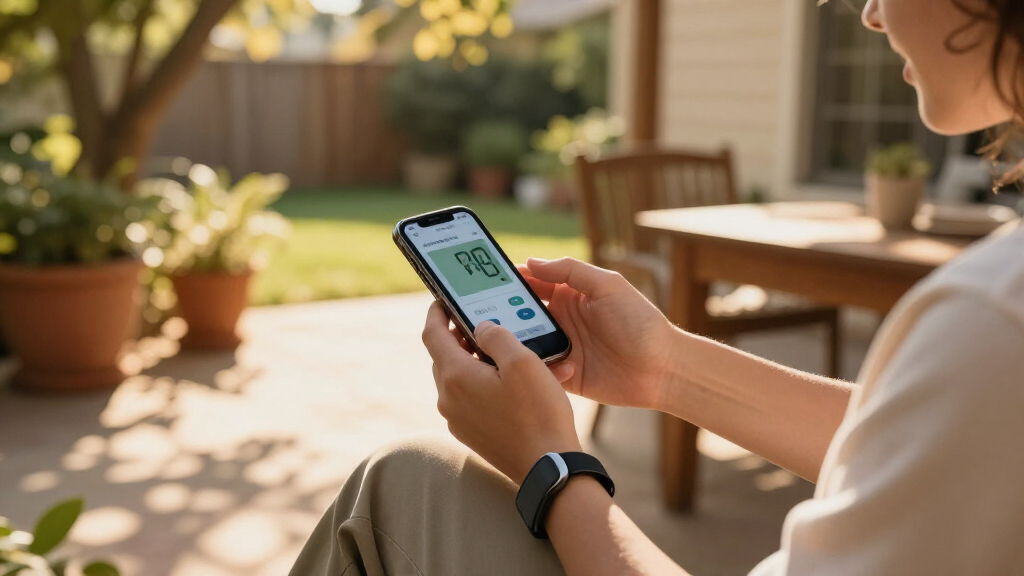
The device, named GluKet Watch, received FDA approval after clinical trials demonstrated its accuracy and safety in both diabetic and non-diabetic individuals. It uses a non-invasive sensor embedded in a wristband to measure ketone and glucose levels through interstitial fluid analysis, eliminating the need for finger-prick blood tests. The device syncs with a smartphone app, providing users with continuous updates and alerts about their metabolic state.
Manufacturers claim that this technology can help users better understand their metabolic health, detect early signs of ketoacidosis, and optimize dietary or insulin adjustments. The FDA approval signifies that the device has met rigorous standards for safety, efficacy, and reliability. The company behind the device, MetaHealth Technologies, announced plans to commercialize it later this year, pending regulatory and distribution arrangements.
Implications for Diabetes and Metabolic Health Management
This approval represents a potential shift in how metabolic health is monitored and managed. Traditionally, blood glucose monitoring has relied on finger-prick tests, which provide only intermittent data. The introduction of a continuous, non-invasive wearable that also tracks ketones could enable earlier detection of dangerous conditions like diabetic ketoacidosis (DKA), especially in type 1 diabetics. For non-diabetics, it offers insights into ketosis during ketogenic diets or fasting, facilitating safer metabolic experimentation.
Health experts suggest that such technology could reduce emergency hospitalizations, improve treatment adherence, and empower patients with real-time data. However, widespread adoption depends on factors like device cost, accuracy in diverse populations, and integration with existing health systems.
wearable device for blood sugar and ketone monitoring
As an affiliate, we earn on qualifying purchases.
As an affiliate, we earn on qualifying purchases.
Advances in Wearable Health Tech and Regulatory Milestones
Over the past decade, wearable health devices have evolved from simple fitness trackers to sophisticated medical tools. The FDA has gradually approved several continuous glucose monitors (CGMs), primarily for diabetics, but the integration of ketone monitoring has remained limited. The recent approval builds on this progress, representing the first device to combine both measurements in a single wearable form factor.
Prior to this, ketone monitoring typically required blood tests or urine strips, which are less convenient and less continuous. The development of non-invasive sensors capable of detecting ketones through the skin or interstitial fluid has been a focus for biotech firms, with several prototypes under testing. The FDA’s green light indicates a significant step toward mainstream acceptance and clinical use of such integrated monitoring devices.
Industry analysts note that this development aligns with broader trends toward personalized, real-time health management and digital therapeutics, especially as regulatory agencies become more open to approving advanced wearable medical devices.
“This approval marks a milestone in wearable health technology, offering real-time, non-invasive monitoring of critical metabolic markers that can inform better health decisions.”
— Dr. Susan Lee, FDA Medical Devices Director
non-invasive continuous glucose and ketone monitor
As an affiliate, we earn on qualifying purchases.
As an affiliate, we earn on qualifying purchases.
Unanswered Questions About Device Performance and Adoption
While the FDA approval confirms the device’s safety and accuracy in trials, it remains unclear how well it performs across diverse populations and real-world conditions. Details about long-term durability, user adherence, and cost are still emerging. Additionally, it is not yet confirmed when the device will be widely available or covered by insurance, which could influence its accessibility.
Further studies are needed to assess its effectiveness outside controlled trial settings and its integration with healthcare providers’ systems. Regulatory pathways for updates or additional features are also still under discussion.
FDA approved metabolic health tracker
As an affiliate, we earn on qualifying purchases.
As an affiliate, we earn on qualifying purchases.
Next Steps for Regulatory Approval and Market Launch
MetaHealth Technologies plans to finalize manufacturing and distribution arrangements later this year. The company aims to seek insurance coverage approval and conduct larger-scale post-market studies to monitor long-term safety and effectiveness. Meanwhile, healthcare providers and patient advocacy groups are expected to evaluate the device’s utility and develop guidelines for its use in clinical practice.
Regulatory agencies may also review additional features or related devices, potentially expanding the scope of this technology. Consumers and clinicians should watch for official release dates and updates on pricing and availability in the coming months.
smartwatch for diabetes management
As an affiliate, we earn on qualifying purchases.
As an affiliate, we earn on qualifying purchases.
Key Questions
How does the device measure ketone and blood sugar levels without blood samples?
The device uses sensors embedded in a wristband that analyze interstitial fluid, which contains markers that correlate with blood ketone and glucose levels, providing continuous, non-invasive readings.
When will the device be available to the public?
MetaHealth Technologies has announced plans to launch the device later this year, but specific release dates and availability may vary depending on regulatory and distribution factors.
Will insurance cover this device?
Insurance coverage details are still being finalized. The company and healthcare providers are engaging with insurers to determine reimbursement options, which will influence accessibility.
Can non-diabetics use this device safely?
Yes, the device is designed for both diabetics and non-diabetics interested in monitoring ketosis or metabolic health, but users should consult healthcare professionals for personalized advice.
How accurate is the device compared to traditional blood tests?
Clinical trials have shown that the device’s readings closely match laboratory blood tests, but ongoing studies will further validate its accuracy in broader populations and real-world settings.
Source: hn
Cold & flu season Picks
humidifiers
As an affiliate, we earn on qualifying purchases.