Low-cost sensors still help because they provide valuable data for many projects without high expenses. They cover wide areas, making large-scale monitoring affordable and practical. Proper calibration and regular maintenance improve their accuracy and reliability. Advances in technology also make these sensors more durable and user-friendly. While they may not be the most precise, their ability to deliver useful insights at low costs makes them powerful tools. Keep exploring to discover how these sensors can benefit your projects.
Key Takeaways
- They provide valuable data for large-scale monitoring where high precision isn’t critical.
- Proper calibration enhances accuracy, making their data reliable for decision-making.
- User-friendly design allows easy calibration and maintenance, ensuring consistent performance.
- Technological improvements increase durability and reliability in various environmental conditions.
- Cost-effectiveness enables widespread deployment, offering broad insights at a lower overall expense.
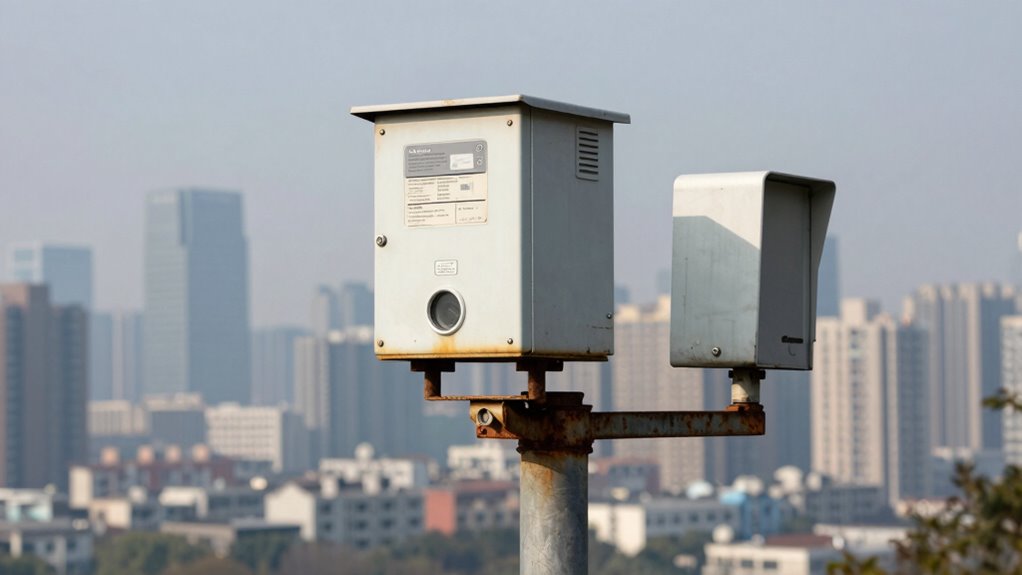
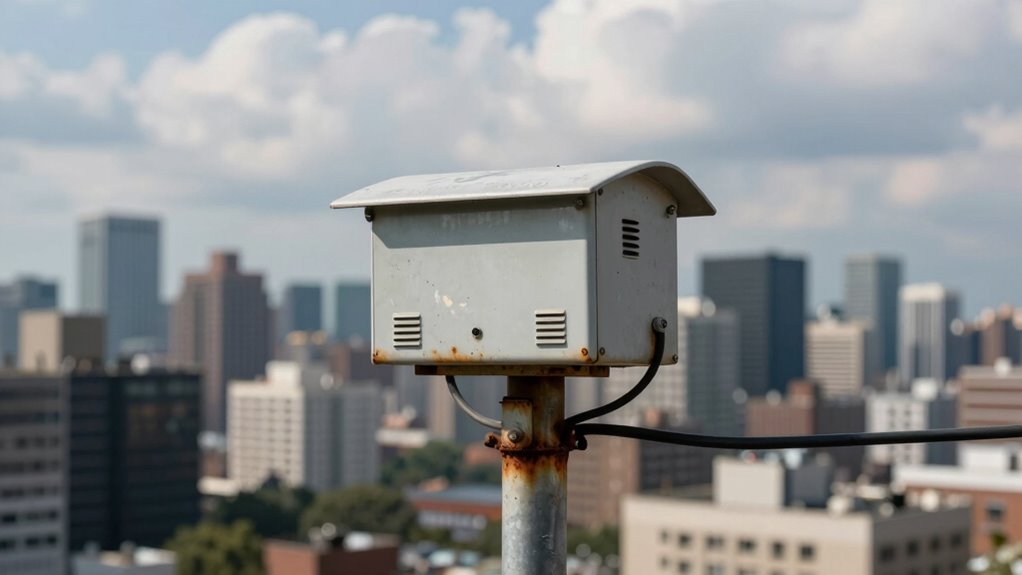
Despite their affordability, low-cost sensors continue to provide valuable data across various fields. You might assume that cheaper sensors are inherently less reliable, but with proper sensor calibration, they can deliver surprisingly accurate results. Sensor calibration is key; it ensures that the data you gather reflects real-world conditions as closely as possible. By regularly calibrating these sensors, you can compensate for their limitations and improve data accuracy significantly. This process involves comparing the sensor’s readings against a known standard and adjusting accordingly, which isn’t always complicated or expensive. When you invest a little time in calibration, you enhance the sensor’s performance, making it more dependable for your specific application. Proper calibration is essential for maintaining accuracy, especially when working with low-cost sensors. Additionally, many low-cost sensors are designed with user-friendliness in mind, making calibration accessible even for those with limited technical experience. Recognizing the importance of cost-effective solutions, many manufacturers now prioritize ease of use to broaden accessibility. In many cases, these low-cost sensors are perfectly suited for projects where high precision isn’t critical but where large volumes of data are needed. For example, in environmental monitoring, you may not need pinpoint accuracy for each measurement, but rather consistent trends over time. Here, the affordability allows you to deploy multiple sensors across wider areas, giving you a broader picture without blowing your budget. The data accuracy might not reach the levels of high-end equipment, but the insights you gain are often enough to inform decisions, identify patterns, or flag issues early. Moreover, ongoing technological improvements and manufacturer support are helping to enhance the reliability and features of budget-friendly sensors. You can also take advantage of advances in sensor technology that are making these devices more robust and easier to maintain over time. These advancements often include improved durability, which helps sensors withstand environmental conditions and extend their lifespan. Additionally, some low-cost sensors now include features like self-calibration or diagnostics, which further support maintaining data quality over extended periods. You also benefit from the fact that many low-cost sensors are designed to be user-friendly, making sensor calibration accessible even if you’re not a specialist. With simple calibration procedures, you can quickly update or adjust sensors in the field, reducing downtime and keeping your data reliable. Plus, as technology advances, manufacturers are increasingly including features that help maintain data accuracy, such as self-calibration or built-in diagnostics. These enhancements mean you can trust the data collected, even from budget-friendly sensors. While low-cost sensors might seem like a compromise, they still serve a vital role in many applications. When you understand their limitations and invest in proper sensor calibration, you ensure that the data they provide remains useful and accurate. This approach allows you to leverage affordable technology without sacrificing the quality of your insights. In the end, it’s about balancing cost with careful maintenance and calibration, so you get valuable, actionable data without overspending. This makes low-cost sensors a practical choice for a variety of projects, especially when large-scale deployment and ongoing monitoring are involved.

Development and Application of Low-Cost Environmental Sensors for the Evaluation of Ambient Air Quality and Related Emission Sources
As an affiliate, we earn on qualifying purchases.
As an affiliate, we earn on qualifying purchases.
Frequently Asked Questions
How Do Low-Cost Sensors Compare in Accuracy to High-End Models?
You’ll find that low-cost sensors are generally less accurate than high-end models, but proper sensor calibration can improve their data reliability considerably. While they might not match the precision of pricier options, these sensors still provide valuable insights, especially for broad trends or initial assessments. With regular calibration and careful use, they can be effective tools for monitoring, making them a cost-effective choice for many applications.
What Are Common Applications for Affordable Sensors?
Think of affordable sensors as the scout soldiers in your tech arsenal. You use them for environmental monitoring, like checking air quality, or in agriculture to assess soil health. Their affordability allows quick sensor calibration, making them perfect for large-scale deployments. When you perform a cost-benefit analysis, these sensors often prove invaluable, offering reliable data without breaking the bank, especially in applications where high precision isn’t critical but widespread data collection is essential.
How Is Data Quality Maintained With Inexpensive Sensors?
You maintain data quality from inexpensive sensors through regular calibration and thorough data validation. Calibration helps correct sensor drift over time, ensuring measurements stay accurate. Data validation involves cross-checking sensor outputs against trusted sources or benchmarks to spot anomalies or errors. By consistently applying these practices, you can improve reliability, make better decisions, and maximize the value of affordable sensors despite their lower cost.
Can Low-Cost Sensors Be Integrated Into Existing Systems Easily?
Sure, integrating low-cost sensors into your existing system is a breeze—if you enjoy endless troubleshooting. Just calibrate the sensors carefully, and check system compatibility, because not all systems speak the same language. With some patience and a bit of tech wizardry, you’ll find that these affordable sensors can fit right in, providing valuable data without requiring a full overhaul. Who knew budget-friendly tech could be so adaptable?
What Are the Limitations of Using Low-Cost Sensors?
Low-cost sensors often face limitations like inconsistent accuracy due to lack of proper sensor calibration. They may produce noisy or unreliable data, which impacts decision-making. Additionally, relying solely on these sensors can reduce data redundancy, risking gaps if one fails. To mitigate these issues, you should regularly calibrate sensors and combine data from multiple sources, ensuring more reliable and thorough monitoring despite the sensors’ inherent limitations.
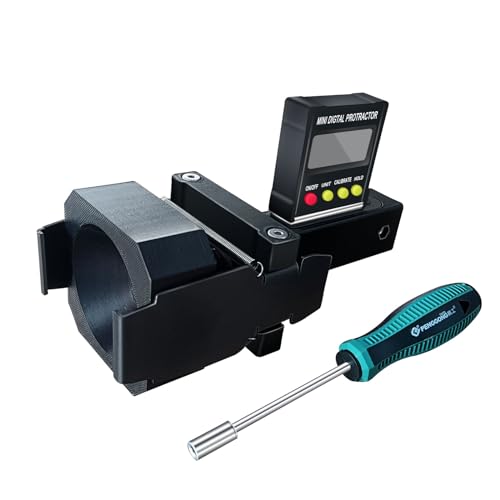
ADAS Calibration Dynamic ACC Positioning Tool for Eyeball Unit, Angso-auto Angle Leveling Tool Accessory for Auto
- Power Source: Requires 2 AAA batteries (not included)
- Compatibility: Designed for eyeball unit only
- Calibration Type: Suitable for dynamic ACC calibration
As an affiliate, we earn on qualifying purchases.
As an affiliate, we earn on qualifying purchases.
Conclusion
Imagine trying to spot a tiny boat in a vast ocean—your binoculars might not be perfect, but they still reveal enough to guide you. Low-cost sensors are like those binoculars; they may not offer perfect precision, but they provide valuable insights that drive real change. In fact, over 70% of data used in environmental monitoring comes from affordable sensors, proving that sometimes, having a good enough view is all you need to make a difference.

KUAIVO 660 lb Shipping Scale with Large LCD Display, Heavy Duty Postal Scale, 7 oz Accuracy, Digital Package Scale for Warehouse, Freight, Industrial and Home Business
- High-Precision Sensor: 0.7 oz accuracy, supports 660 lb
- Large LCD Display: Bright backlit screen with 4 units
- Remote Display Included: Wall-mountable for easy viewing
As an affiliate, we earn on qualifying purchases.
As an affiliate, we earn on qualifying purchases.

Optimus Wired GPS Tracker for Vehicles – Easy Installation on Car's Battery – Low Cost Subscription Plan Options
- Hardwired Installation: Requires 2-wire connection to vehicle battery
- Affordable Subscription: USD 12.95 monthly, cancel anytime
- No Hidden Fees: Transparent pricing with no contracts
As an affiliate, we earn on qualifying purchases.
As an affiliate, we earn on qualifying purchases.