
TL;DR

Get health and wellness essentials delivered free with Prime
- Fast, free delivery on millions of items
- Prime Video, Amazon Music and more included
- Member-only deals all year
Fit&Well reports that a personal trainer recommends the bodyweight good morning for walkers who do not have time for a full cool-down. The movement involves hinging at the hips and may stretch muscles along the back of the body; the report does not provide research showing that it prevents stiffness or injury.
Fit&Well has published a personal trainer’s recommendation for walkers short on time: perform a bodyweight good morning after a walk instead of a full cool-down routine. The trainer says the hip-hinge movement stretches muscles along the back of the body, but the report presents it as practical advice rather than evidence that one stretch prevents soreness, stiffness or injury.
The trainer says walking is a low-impact way to improve cardio fitness and that some clients regularly skip stretching afterward because they lack time. The report says skipping a stretch once or twice is fine, while repeated neglect may contribute to stiff muscles; it does not cite research or specify how often this occurs.
The recommended move is the bodyweight good morning, which the report describes as working the posterior chain: the glutes, muscles alongside the spine, hamstrings and calves. It also requires bending at the hips, which the trainer says helps with joint mobility. The report gives a suggested duration of 60 seconds, without specifying the number of repetitions or sets.
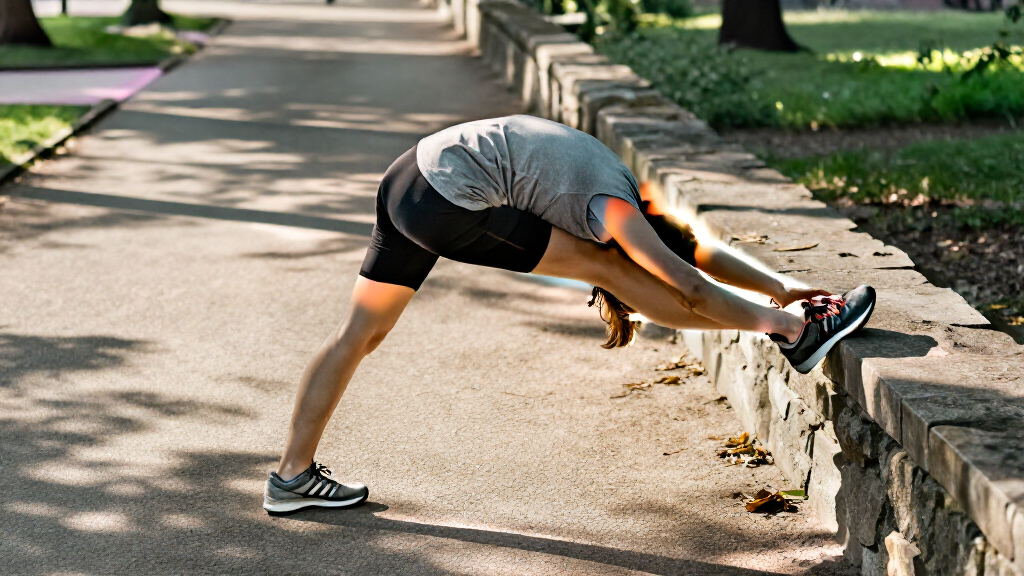
To perform it, stand with feet about hip-width apart and knees slightly bent. Place your hands on your hips or beside your ears, then push your hips back and lower your torso until it is near parallel to the floor—or until a stretch is felt at the back of the legs. Keep the back flat and shoulder blades engaged, then drive the hips forward to stand. The trainer advises against locking or straightening the knees.
A Short Option After Walking
The recommendation is aimed at walkers who may not have time for a longer cool-down. A single movement that takes about one minute may be easier to fit into a routine than a full-body sequence, according to the report’s framing. That makes the advice accessible, but it does not establish that this particular stretch is necessary after every walk or that it offers the same effects as a longer routine.
For readers, the practical takeaway is limited and clear: the trainer suggests a hip-hinge stretch focused on the back of the legs and trunk. The source does not compare it with other stretches, report outcomes from clients, or supply clinical evidence for claims about stiffness or mobility. People should stop if a movement causes pain and seek qualified professional guidance for individual health or exercise concerns.
post-walk stretch resistance bands
As an affiliate, we earn on qualifying purchases.
As an affiliate, we earn on qualifying purchases.
Why the Trainer Chose a Hip Hinge
The Fit&Well report presents walking as a low-impact form of activity that the trainer recommends to personal-training clients for cardiovascular fitness. The article’s focus is not a new exercise study or formal health guidance; it is an individual trainer’s solution to a common practical constraint: clients often do not have time for a full-body cool-down after walking.
A good morning is performed by bending at the hips while keeping the back flat and knees softly bent. In the report, this position is intended to lengthen the hamstrings and other posterior-chain muscles. The article also offers an arm-position variation: hands beside the ears with elbows out, which it says engages the back and stretches the chest and shoulders. These are the trainer’s explanations of the movement, not findings from a study cited in the supplied material.
““The bodyweight good morning” is the one move suggested for clients who do not have time for a full-body routine after every walk.”
— Fit&Well report, quoting the trainer
hip hinge stretch exercise equipment
As an affiliate, we earn on qualifying purchases.
As an affiliate, we earn on qualifying purchases.
Evidence and Individual Suitability
The supplied report does not identify the trainer by name, give the article’s publication date, or cite studies supporting its statements about stiffness, stretching or joint mobility. It also does not explain how the suggested 60 seconds should be divided into repetitions, or how the stretch compares with other post-walk movements. Those details cannot be confirmed from the source material provided.
The report does not address whether the exercise is suitable for people with existing injuries, pain or limited mobility. Its recommendation is general fitness guidance, not an individualized assessment. Readers who are unsure whether the movement is appropriate for them can consult a qualified health or exercise professional.
bodyweight good morning stretch mat
As an affiliate, we earn on qualifying purchases.
As an affiliate, we earn on qualifying purchases.
How to Apply the Suggestion
The Fit&Well article provides the movement instructions but does not announce a study, program or follow-up measure. Walkers who choose to try it can follow the described form: keep a slight bend in the knees, hinge from the hips, maintain a flat back, and return to standing by bringing the hips forward. The report suggests stopping the descent when a stretch is felt rather than forcing the torso to a particular position.
No further evidence or response from the trainer is included in the supplied material. Whether the stretch reduces stiffness for an individual walker, and how it compares with a longer cool-down, remains unreported. The immediate development is therefore a practical recommendation published by Fit&Well, not a change to formal exercise guidance.
As an affiliate, we earn on qualifying purchases.
Key Questions
What stretch does the report recommend after walking?
It recommends the bodyweight good morning, a movement in which a person pushes the hips back and hinges the torso forward while keeping the knees slightly bent.
How long should the stretch take?
The report lists a duration of 60 seconds, but it does not specify the number of repetitions or sets within that time.
Which muscles does the movement target?
The trainer describes it as stretching the posterior chain, including the glutes, hamstrings, calves and muscles alongside the spine.
Does the report show that the stretch prevents stiffness?
No. The article carries the trainer’s advice but cites no study demonstrating that this move prevents stiffness or injury.
What form cues does the trainer give?
Keep the knees slightly bent, push the hips backward, maintain a flat back and return upright by driving the hips forward. The trainer advises against straightening the knees.
Source: rss
Cold & flu season Picks
humidifiers
As an affiliate, we earn on qualifying purchases.