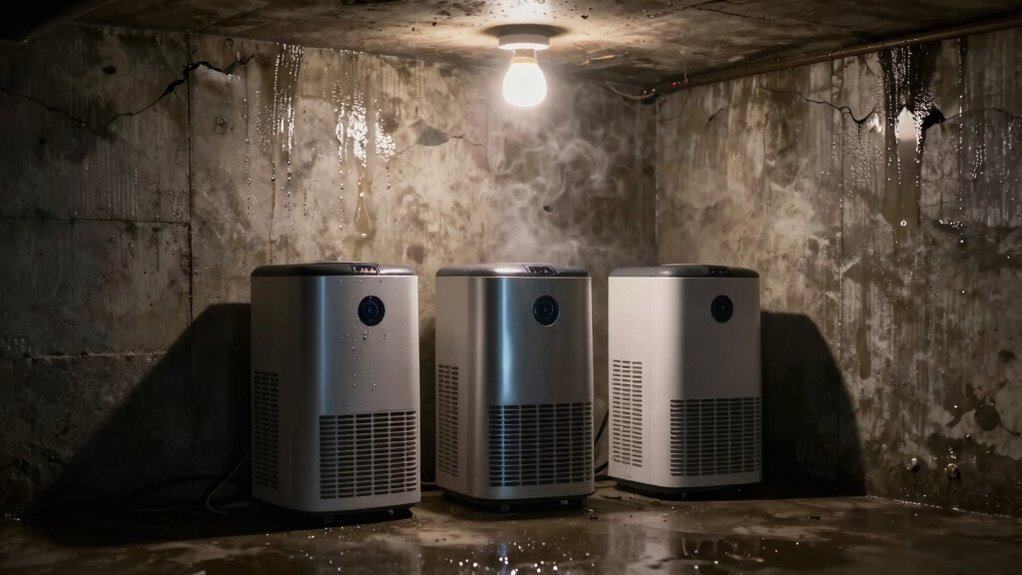

To tackle basement air quality, follow a simple 3-step moisture management plan. First, improve ventilation by adding exhaust fans or opening windows for fresh air. Next, control water intrusion by sealing cracks and enhancing drainage around your foundation. Finally, manage indoor humidity levels with dehumidifiers and regular monitoring. By addressing these elements, you’ll create a healthier environment, making a positive difference in your home. There’s more valuable insight to discover ahead!
Key Takeaways
- Assess moisture sources and levels in your basement to identify potential problems early on.
- Implement targeted solutions, such as sealing cracks and using dehumidifiers, to reduce humidity and prevent water entry.
- Maintain ongoing monitoring of humidity levels with hygrometers to ensure effective moisture control.
- Regularly review and adjust moisture management strategies based on inspection findings and environmental changes.
- Educate yourself on proper ventilation techniques to enhance air quality and prevent future moisture issues.

BEDRED Dehumidifier, 95OZ Dehumidifier for Home 1000 sq ft – Quiet with Auto Shut Off & Relaxing 7 Color Ambient Light, Ideal for Livingroom, Bedroom, Basement (Black)
- Cooling Technology: Thermoelectric dehumidification for moisture removal
- Auto Shutoff: Automatically powers down when tank is full
- Ambient Lighting: 7-color soothing LED light for ambiance
As an affiliate, we earn on qualifying purchases.
As an affiliate, we earn on qualifying purchases.
Understanding Basement Humidity Issues

When it comes to understanding basement humidity issues, you might be surprised to learn that even small leaks can lead to significant problems over time. These leaks, if left unchecked, can cause mold growth and damage your belongings. One key to managing humidity is to employ effective ventilation techniques. Proper airflow helps reduce moisture buildup, keeping your space dry and comfortable. Additionally, installing humidity sensors can provide real-time data on moisture levels in your basement. These sensors alert you when humidity rises, allowing you to take action before issues escalate. By staying proactive and addressing leaks promptly, you can maintain a healthier basement environment and protect your home from costly repairs. Incorporating effective ventilation techniques can significantly enhance your basement’s air quality and overall comfort. Furthermore, utilizing HEPA filter vacuums can help eliminate allergens and improve indoor air quality, contributing to a healthier living space. Additionally, understanding craftsmanship in design can help you make informed choices about materials that resist moisture damage. Investing in Gold IRAs can also provide financial security for future home improvements, ensuring your living space remains comfortable and well-maintained. To further enhance your basement’s condition, consider exploring seasonal variations in humidity levels to better prepare for potential issues throughout the year.
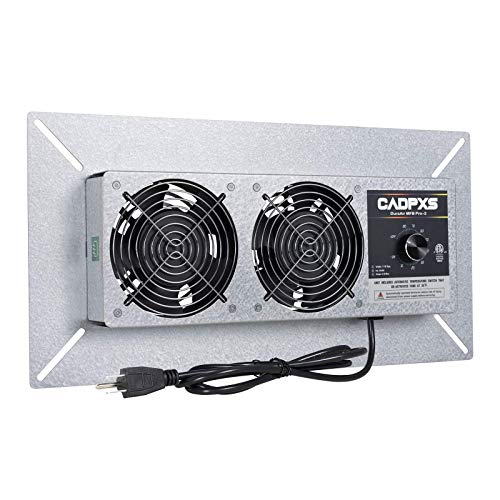
CADPXS Crawlspace Ventilation Fan, Crawlspace Fan Vent with Humidistat
- Airflow Capacity: 220 CFM airflow for ventilation
- Compact Size: 18 x 9 x 2 inches
- Dual Fans: Includes two fans with grounded cord
As an affiliate, we earn on qualifying purchases.
As an affiliate, we earn on qualifying purchases.
Step 1: Improve Ventilation

To effectively combat humidity in your basement, improving ventilation is essential. Start by evaluating your current airflow; stagnant air contributes to moisture buildup. Implement ventilation strategies like installing vents or using exhaust fans to promote fresh air circulation. Consider the placement of windows and doors, ensuring they’re unobstructed to maximize airflow. Proper airflow management is crucial for preventing pool water stagnation, which can also lead to unwanted moisture issues. Additionally, maintaining a high contrast ratio in your basement lighting can help create a more visually appealing environment while reducing shadows that may contribute to a damp feel.
Incorporating sauna ventilation considerations can enhance your basement’s air quality and overall comfort. Good sleep hygiene is vital for overall health, making it important to ensure your basement remains a healthy environment. When selecting a dehumidifier, choose a model that suits your basement size and humidity levels. A good dehumidifier will complement your ventilation efforts by removing excess moisture, especially during humid months. Regularly check and maintain your ventilation systems to ensure efficiency. Additionally, creating calm, clutter-light homes involves addressing moisture issues, which can lead to a healthier living space. By combining smart ventilation strategies with proper dehumidifier selection, you’ll create a drier, healthier basement environment.
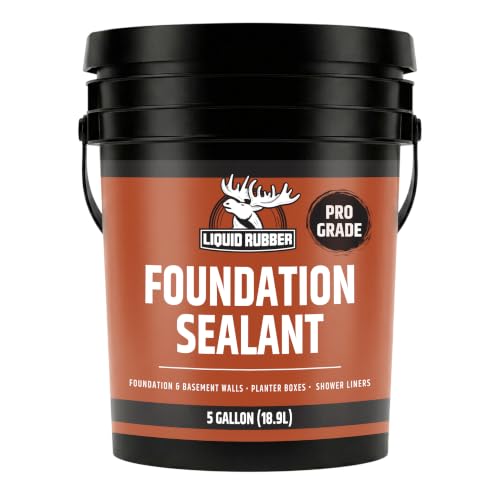
Liquid Rubber Foundation Sealant – Basement Waterproof Sealer, Black, 5 Gal
- Flexible Waterproof Sealant: Creates permanent waterproof membrane with 900% elongation
- Complete Waterproofing System: Seals against leaks and moisture for basements
- Versatile Crack Filler: Adheres to concrete, masonry, wood, and metal
As an affiliate, we earn on qualifying purchases.
As an affiliate, we earn on qualifying purchases.
Step 2: Control Water Intrusion

Since controlling water intrusion is vital for maintaining a dry basement, you should first identify potential sources of moisture. Check for foundation leaks, as these can considerably contribute to water problems. Look for cracks or gaps in your foundation walls and repair them promptly. Next, consider drainage solutions. Make sure your gutters and downspouts direct water away from the foundation. Installing a French drain or a sump pump can help manage excess water that collects around your home. Additionally, grading the landscape away from your foundation will prevent water from pooling near your basement. By addressing these areas, you can effectively control water intrusion and keep your basement dry, setting the stage for a healthier living environment. Furthermore, smart appliances can assist in monitoring humidity levels, ensuring optimal conditions in your basement. Additionally, bioluminescent organisms can help create a more vibrant atmosphere through their natural displays, much like restaurants with live music often create a lively atmosphere that can distract from the mundane tasks of home maintenance. It is essential to prioritize sustainable materials when considering any renovations, as this choice can significantly enhance the longevity and efficiency of your home. Using effective filtration systems can also help manage moisture levels, contributing to a healthier indoor environment.

TempPro TP50 Digital Hygrometer Indoor Thermometer Room Thermometer
- Wellness Indicator: Air condition status with icons
- High Accuracy & Fast Refresh: ±2-3%RH and ±1°F, updates every 10 seconds
- Record High & Low Levels: Displays temperature and humidity extremes
As an affiliate, we earn on qualifying purchases.
As an affiliate, we earn on qualifying purchases.
Step 3: Manage Indoor Humidity Levels

Controlling water intrusion lays the groundwork for managing indoor humidity levels effectively. Once you’ve tackled that, keep an eye on your indoor humidity to prevent indoor mold growth. Here are four practical steps to manage humidity:
- Use humidity sensors: Install sensors to monitor levels and ensure they stay between 30-50%. Implementing automated testing can improve efficiency in managing humidity control systems. Maintaining premium home essentials can also contribute to a healthier indoor environment.
- Ventilate: Open windows or use exhaust fans to promote airflow, especially in damp areas. Ensuring proper air circulation can significantly reduce humidity levels.
- Dehumidify: Consider a dehumidifier if humidity levels consistently rise above recommended levels.
- Seal leaks: Inspect and seal any leaks in pipes or walls which can contribute to higher humidity. Additionally, maintaining safer riding habits can help prevent moisture accumulation from outdoor sources brought in by commuters.
Maintaining Long-term Solutions
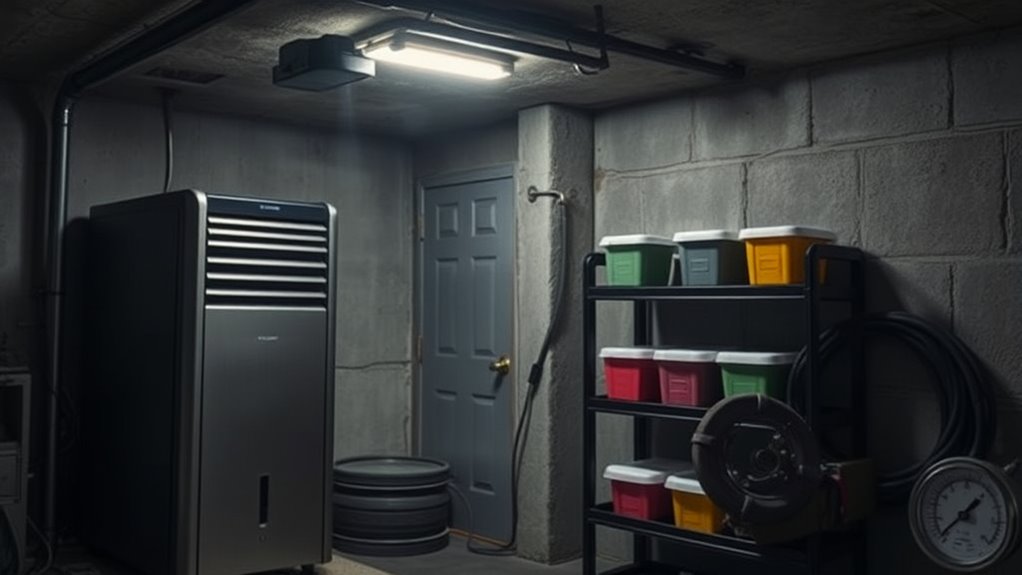
While you’ve taken steps to manage humidity, maintaining long-term solutions is vital to guarantee your basement remains a safe and healthy environment. Start by regularly inspecting and cleaning your ventilation systems to ensure they’re working effectively. Implementing ventilation techniques like exhaust fans can help reduce moisture buildup, and incorporating proper tool maintenance will ensure that your equipment remains reliable during these tasks. Additionally, installing moisture barriers on walls and floors prevents water from seeping in, further protecting your basement from dampness. It’s also imperative to monitor the humidity levels consistently; using a hygrometer can help you stay on top of changes. Furthermore, utilizing smart home technology can provide real-time monitoring and automation to enhance your moisture management efforts. By committing to these practices, you’ll create a sustainable environment that keeps mold and mildew at bay, ensuring your basement stays dry and comfortable for years to come. Furthermore, understanding humidity control methods can significantly enhance your efforts in maintaining a dry basement. Moreover, adopting financial education can empower you to invest in effective moisture management solutions that align with your budget and long-term goals.
Frequently Asked Questions
How Can I Tell if My Basement Has Moisture Problems?
To tell if your basement has moisture problems, look for signs like dampness, mold, or a musty smell. Check the basement ventilation; poor airflow can increase humidity. Examine walls and floors for water stains or peeling paint. You might also notice condensation on windows. Adding moisture barriers can help prevent water from seeping in. Regularly inspect your basement to catch any issues early and maintain a dry, healthy environment.
What Are the Signs of Mold Growth in the Basement?
You’ll notice several signs of mold growth in your basement. Look for dark spots or patches on walls and ceilings, a musty smell, or increased allergy symptoms in your family. If you’ve got moisture barriers installed, check for any damage or deterioration. If you find mold, it’s vital to take mold remediation to address the issue effectively. Don’t wait too long, as mold can spread quickly in damp environments.
Can I Use a Dehumidifier Year-Round?
Yes, you can use a dehumidifier year-round, especially if you’ve noticed persistent moisture issues like in the case of a homeowner who managed to reduce mold growth substantially. Regular dehumidifier maintenance is essential to keep it running efficiently. Additionally, improving basement ventilation complements your dehumidifier’s work, ensuring the air remains dry and fresh. By combining these strategies, you’ll create a healthier environment in your basement all year long.
Are There Specific Plants That Can Help Reduce Humidity?
Yes, certain indoor plants can help with humidity control! Spider plants, peace lilies, and Boston ferns are excellent choices. They absorb moisture from the air, which can lower humidity levels in your home. By placing a few of these plants around, you not only beautify your space but also create a healthier environment. Just remember to care for them properly, ensuring they receive the right amount of water and light.
How Often Should I Check My Basement for Moisture Issues?
You should check your basement for moisture issues at least once a month. Look for signs like damp spots or musty odors. Employ ventilation techniques, such as opening windows or using fans, to keep air circulating. Additionally, inspect your waterproofing methods regularly to make sure they’re effective. If you notice persistent moisture, consider consulting a professional to address potential problems before they escalate and cause damage. Stay proactive to maintain a healthy environment!
Conclusion
By following these three steps, you can tackle basement moisture effectively and create a healthier living space. Remember, improving ventilation, controlling water intrusion, and managing indoor humidity levels are key to preventing dampness. Think of it as a modern-day alchemy—transforming a musty basement into a dry haven. Stay vigilant and uphold these solutions over time, and you’ll ensure your basement remains a functional part of your home for years to come.