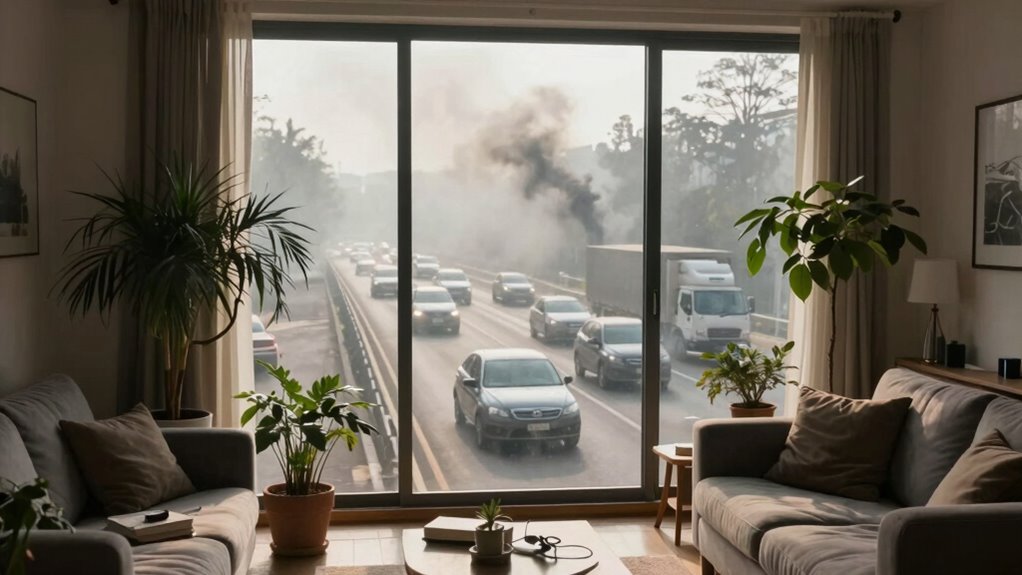

Living near busy roads exposes you to traffic pollution that can seep into your home through open windows, gaps, and ventilation systems. These pollutants, including nitrogen oxides and particulate matter, can affect indoor air quality and pose health risks like respiratory issues and allergies. Even if you keep windows closed, infiltration can still occur. To understand how to protect yourself better, discover effective strategies and important considerations that can make a real difference.

Get health and wellness essentials delivered free — and shop member deals
- Fast, free delivery on millions of items
- Access to Prime Big Deal Days deals on October 6–7
- Prime Video, Amazon Music and more included
Key Takeaways
- Traffic emissions enter indoor spaces through open windows, gaps, and ventilation systems, affecting indoor air quality.
- Living near busy roads increases indoor pollutant levels, raising health risks like respiratory and cardiovascular issues.
- Keeping windows closed during peak traffic hours and using high-efficiency filters can reduce indoor traffic pollution.
- Pollutants can linger indoors even during calm weather or late at night, prolonging exposure risks.
- Indoor air quality can be improved with air purifiers, proper sealing, and minimizing infiltration during high traffic periods.

Even if you spend most of your time indoors, traffic pollution can still affect you. Living near busy roads means you’re constantly exposed to vehicle emissions, which can seep into your home through open windows, doors, and ventilation systems. These pollutants don’t just stay outside; they find their way inside, impacting your indoor air quality in ways you might not immediately realize. Exhaust fumes contain a mix of harmful particles and gases, including nitrogen oxides, carbon monoxide, particulate matter, and volatile organic compounds. Over time, exposure to these substances can contribute to respiratory issues, allergies, asthma, and even cardiovascular problems.
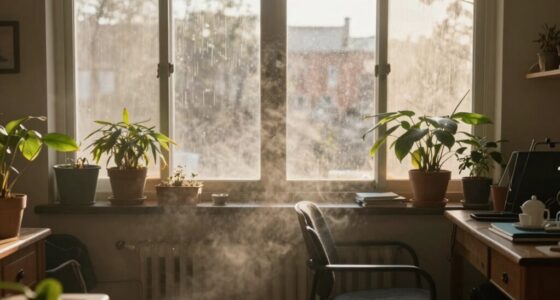
You might think that keeping your windows shut would prevent pollution from entering, but that isn’t always enough. Modern buildings often rely on ventilation systems that can circulate outdoor air directly into your living spaces, especially if they aren’t equipped with high-quality filters. Without proper filtration, these systems can become pathways for pollutants, spreading contaminants throughout your home. Even in well-sealed apartments, some infiltration occurs through tiny cracks and gaps around windows and doors. If your residence is close to a busy road, these small openings become channels for pollutants to enter, making indoor air less safe than you’d like to believe.
Another factor to weigh is that traffic pollution isn’t just a problem during the day when traffic volume peaks. Many pollutants linger in the air, especially during calm weather conditions when there’s little wind to disperse them. This means that even late at night or early in the morning, your indoor environment might still be contaminated with traffic-related pollutants. If you work from home or spend a lot of time indoors, you’re exposed to these emissions for extended periods, which can accumulate and affect your health over time. Understanding the environmental impact of traffic emissions can help you recognize the importance of taking preventative measures.
To mitigate these impacts, you can take specific steps. Using high-efficiency particulate air (HEPA) filters in your ventilation system or air purifiers can considerably reduce indoor pollutants. Avoiding opening windows during peak traffic hours is another simple way to limit infiltration. Planting certain indoor plants may help improve air quality, though their effectiveness is limited in heavily polluted areas. Regularly cleaning and dusting also removes particles that settle indoors. Ultimately, awareness is key—understanding that traffic pollution doesn’t stay outside and that your indoor environment is vulnerable helps you take proactive measures to protect your health.
HEPA air purifier for indoor pollution
As an affiliate, we earn on qualifying purchases.
As an affiliate, we earn on qualifying purchases.
Frequently Asked Questions
How Can I Test Indoor Air Quality Near Busy Roads?
You can test your indoor air quality by using DIY air quality monitors or professional testing services. Purchase a reliable air quality sensor that measures pollutants like PM2.5, VOCs, and nitrogen dioxide. Set it up in different rooms, especially near windows or vents. Regularly check the readings, and consider consulting an indoor air specialist if levels are high. This way, you can identify pollution sources and improve your indoor environment.
Are There Specific Plants That Effectively Filter Traffic Pollutants Indoors?
Think of houseplants as your green guardians, quietly working to cleanse your air. Spider plants, snake plants, and pothos are particularly effective at filtering traffic pollutants like formaldehyde and benzene. By placing these plants in your living space, you invite a natural barrier that absorbs harmful particles. Keep them healthy with proper light and watering, and they’ll become your indoor air’s best defenders against traffic’s invisible assault.
What Are the Long-Term Health Effects of Living Near Busy Roads?
Living near busy roads can lead to long-term health issues like respiratory problems, heart disease, and increased risk of asthma. You might experience ongoing inflammation, reduced lung function, and higher blood pressure over time. The constant exposure to traffic pollution can also weaken your immune system. To protect yourself, consider installing air purifiers, planting filters, and minimizing outdoor activities during peak traffic hours. Regular health check-ups are essential to catch issues early.
Can Air Purifiers Fully Eliminate Traffic-Related Indoor Pollution?
Air purifiers can markedly reduce traffic-related indoor pollution, but they can’t completely eliminate it. For example, a study showed that high-efficiency particulate air (HEPA) filters reduced particulate matter by up to 60%. You should combine purifiers with other measures like sealing windows and using exhaust fans. This multi-layered approach helps lower exposure, but some pollutants might still seep in, making complete elimination unlikely.
How Do Weather Conditions Influence Indoor Pollution Levels Near Busy Streets?
Weather conditions considerably impact indoor pollution levels near busy streets. When it’s windy, pollutants are often blown away, reducing indoor air contamination. Conversely, rain can wash pollutants out of the air outside, but during calm, still days, pollutants tend to accumulate and seep indoors. Hot, stagnant weather traps pollutants indoors, worsening air quality. So, pay attention to weather forecasts, and ventilate your home during favorable conditions for better air quality.
high-efficiency ventilation filters
As an affiliate, we earn on qualifying purchases.
As an affiliate, we earn on qualifying purchases.
Conclusion
So, next time you think about living near busy roads, remember that traffic pollution isn’t just outside — it invades your home too. Like an unwelcome guest, pollutants seep in and linger, silently affecting your health. Don’t let your sanctuary become a battleground for harmful fumes. Take action now: improve ventilation, plant greenery, and choose your home wisely. After all, isn’t your well-being worth more than just a view of the busy street?
As an affiliate, we earn on qualifying purchases.
air purifier for traffic pollution
As an affiliate, we earn on qualifying purchases.
As an affiliate, we earn on qualifying purchases.
Fall Picks
fall essentials
As an affiliate, we earn on qualifying purchases.