
TL;DR

Get health and wellness essentials delivered free with Prime
- Fast, free delivery on millions of items
- Prime Video, Amazon Music and more included
- Member-only deals all year
An ergonomic chair tailored for students boosts comfort, improves posture, and can prevent long-term health issues. Focus on adjustability, lumbar support, and durability to find the best fit.
Prioritize adjustable features like seat height and lumbar support for a personalized fit.
A good ergonomic chair can reduce back pain and boost focus during long study sessions.
Smart and eco-friendly chairs are becoming more affordable and available, merging tech with sustainability.
Even budget chairs can be improved with simple modifications, like adding lumbar support or adjusting height.
Investing in your posture now can prevent health issues and improve your academic performance over time.
What Makes an Ergonomic Desk Chair Perfect for Students?
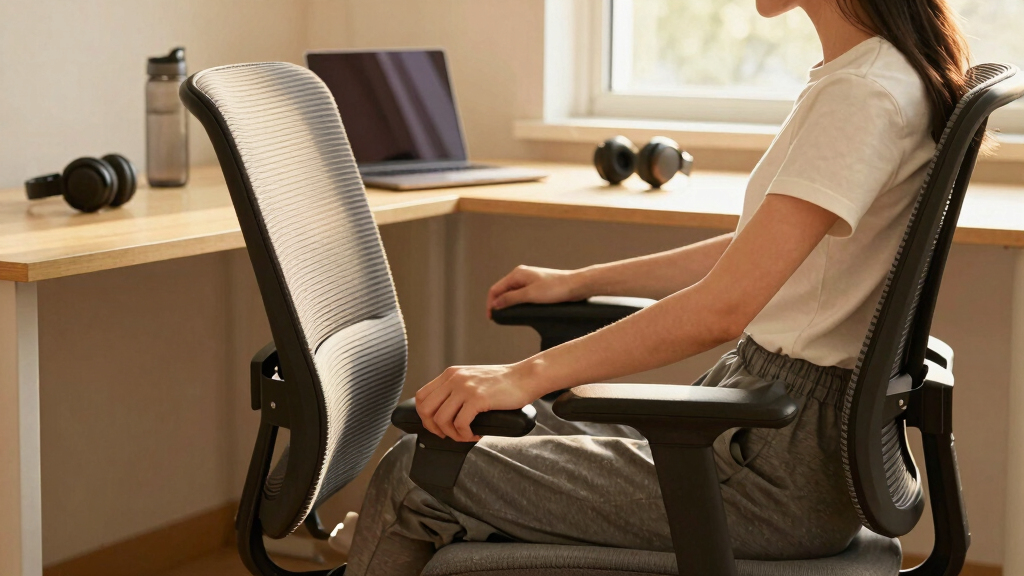
Ergonomic desk chairs for students are designed to support proper posture and reduce strain during long study hours. These chairs feature adjustable height, tilt, lumbar support, and armrests, making them customizable for any student. Think of it as a seat that adapts to you, not the other way around. For example, a student who’s 5’4″ will need a different setup than someone who’s 6′.
Understanding why these features matter is crucial. Proper height adjustment ensures your feet are flat on the floor, promoting healthy circulation and preventing numbness. Lumbar support maintains the natural curve of your lower back, reducing the risk of slouching, which over time can lead to disc compression and chronic pain. Adjustable armrests prevent shoulder tension and repetitive strain injuries, especially during prolonged typing or reading.
Choosing a chair with these features is an investment in your health. Neglecting proper ergonomics might save money upfront but can lead to costly health issues down the line, such as chronic back pain or repetitive strain injuries. The tradeoff is clear: prioritize adjustable, supportive features now to avoid discomfort and health problems in the future.
As an affiliate, we earn on qualifying purchases.
Top 5 Features to Look for in a Student Ergonomic Chair
- Adjustable Seat Height: Ensures your feet rest flat on the floor, reducing pressure on your knees. Proper height alignment helps maintain healthy blood flow and prevents strain on your legs, which is crucial during long study sessions. If the seat is too high, your thighs may hang, reducing circulation; too low, and your knees may be elevated, leading to discomfort. Finding the right balance supports sustained focus and prevents fatigue.
- Lumbar Support: Keeps your lower back aligned with the spine’s natural curve. Without adequate lumbar support, students tend to slouch, which can cause disc compression and lead to chronic back issues. Adjustable lumbar support allows you to fine-tune the fit, offering personalized relief that adapts to your body’s unique shape. This support is especially important during extended study periods, as it helps maintain spinal health and reduces fatigue.
- Adjustable Armrests: Supports your shoulders and arms, reducing tension in your neck and upper back. Proper armrest positioning encourages relaxed shoulders and prevents repetitive strain injuries caused by unsupported arm positioning during typing or reading. Adjustable armrests can also help align your elbows at a comfortable 90-degree angle, reducing shoulder strain and improving overall posture during prolonged use.
- Breathable Materials: Keeps you cool during long study sessions by promoting airflow. Overheating can cause discomfort, distract you, and decrease concentration. Materials like mesh allow heat to dissipate, helping you stay comfortable and focused for longer periods. Choosing breathable fabrics is especially important in warmer environments or during intensive study sessions, as it prevents sweat buildup and skin irritation.
- Smooth Casters & Swivel: Facilitates effortless movement and access to different areas of your workspace. This reduces unnecessary twisting or reaching, which can strain your back and neck. Swivel and quality casters improve efficiency and comfort, especially in small or shared spaces. They also enable quick adjustments without strain, helping you maintain proper posture throughout your study session, thus reducing fatigue and discomfort.
For instance, a student who prefers to lean back while reading benefits from a chair with a tilt lock, which helps maintain a comfortable recline. Conversely, someone who needs to sit upright for detailed work should prioritize sturdy lumbar support. Understanding your typical posture and movement preferences helps you select the most supportive features for your needs, ultimately enhancing your comfort and health.
adjustable lumbar support office chair
As an affiliate, we earn on qualifying purchases.
As an affiliate, we earn on qualifying purchases.
Comparison Table: Budget vs. Premium Ergonomic Chairs
| Feature | Budget Chairs (under $150) | Premium Chairs (over $300) |
|---|---|---|
| Adjustability | Basic height and tilt adjustments, often limited in range. This can lead to compromises in posture if not set correctly. Limited adjustability means you might not find the optimal position, which can cause discomfort over time. The tradeoff is affordability versus personalized support. | Full customizable options including multiple tilt angles, adjustable armrests, seat depth, and lumbar support, allowing precise ergonomic fitting. These options enable you to tailor the chair to your body, promoting better posture and reducing fatigue, especially during long study sessions. |
| Lumbar Support | Limited or fixed support, which may not match individual spinal curves, risking discomfort over time. Fixed lumbar supports can’t adapt to different body shapes, potentially leading to slouching or strain. | Adjustable lumbar support that can be tailored to fit your lower back’s unique shape, promoting better spinal health. This flexibility helps maintain proper alignment throughout extended periods of sitting, reducing the risk of chronic back pain. |
| Materials | Mesh or foam, often less durable and less breathable, potentially leading to quicker wear and less comfort during extended use. Cheaper materials may also cause skin irritation or discomfort over time. | High-quality breathable fabrics or mesh, designed for durability and long-term comfort, especially important during many hours of use. Investing in quality materials ensures your chair maintains its support and comfort over years, preventing the need for frequent replacements. |
| Durability | Suitable for light use or occasional study sessions, but may wear out faster under daily use. Cheaper construction can lead to sagging or mechanical failure. | Heavy-duty, high-quality construction meant to withstand daily, long-term use without losing support or comfort. Durability is crucial for students who rely on their chair daily, as it guarantees ongoing ergonomic benefits. |
| Smart Features | Rare or nonexistent, focusing mainly on basic ergonomics. Usually limited to simple adjustments without feedback or reminders. | Integrated sensors, app connectivity, posture reminders, and other smart features that help maintain correct posture and promote healthy habits. These innovations can actively assist in developing better sitting habits, reducing strain and fatigue over time. |
While budget options can meet basic needs, premium chairs often offer better support and longevity — a worthwhile investment for long-term health and comfort, especially as you spend more hours at your desk. Carefully weighing these differences helps you choose a chair that fits your budget without compromising your health.
ergonomic study chair with armrests
As an affiliate, we earn on qualifying purchases.
As an affiliate, we earn on qualifying purchases.
How to Adjust Your Chair for Maximum Comfort — Step by Step
- Set the seat height so your feet are flat on the floor, with knees at a 90-degree angle. This position promotes healthy circulation and reduces pressure on your lower limbs. Proper height prevents your legs from dangling or feeling cramped, which can cause numbness or discomfort over time.
- Adjust the lumbar support to fit snugly into the curve of your lower back, which prevents slouching and supports spinal alignment. Proper lumbar support reduces fatigue and discomfort, especially during long hours of study, by maintaining natural spinal curves and preventing slouching that can lead to muscular strain.
- Position the armrests so your shoulders relax and elbows rest comfortably at your sides. Proper armrest height prevents shoulder tension and repetitive strain injuries, making typing and writing less fatiguing. Incorrect armrest height can cause elevated shoulders or leaning, leading to neck and shoulder pain.
- If your chair tilts, find a tilt angle that allows you to lean back slightly without straining your back or neck. Using tilt lock features can help maintain a healthy posture during different activities. A slight recline reduces pressure on your lower back and encourages movement, preventing stiffness.
- Ensure the backrest supports your entire back or at least the lumbar region, providing continuous support that encourages good posture and reduces the risk of developing chronic back pain. Proper backrest support minimizes muscular effort needed to maintain posture, decreasing fatigue and discomfort over extended periods.
For example, a student might find that raising the seat slightly and adjusting lumbar support helps reduce neck strain after hours of typing, making study sessions more comfortable and less tiring. Regularly fine-tuning your adjustments ensures sustained ergonomic benefits and prevents postural fatigue.
best ergonomic chair for long study sessions
As an affiliate, we earn on qualifying purchases.
As an affiliate, we earn on qualifying purchases.
Smart Tech & Eco-Friendly Designs: The Future of Student Chairs
Smart chairs are transforming how we approach ergonomic comfort. They monitor your posture with embedded sensors, providing real-time feedback to help you maintain the correct sitting position. For example, some models vibrate gently if you slouch for more than 10 minutes, encouraging you to sit upright. This biofeedback helps develop healthier sitting habits over time, reducing strain and fatigue.
Eco-friendly models focus on sustainability by using recycled plastics, biodegradable fabrics, and sustainable manufacturing processes. These designs allow students to support their health without harming the environment. As awareness of environmental issues grows, these materials and practices are becoming more common, making sustainable choices more accessible.
Designs are also becoming more space-efficient, perfect for small dorm rooms or shared study areas. Many affordable options now incorporate smart features, demonstrating that high-tech support doesn’t always come with a high price tag. This convergence of technology and sustainability indicates a future where ergonomic support is both innovative and environmentally responsible.
Why Investing in a Good Chair Saves You in the Long Run
Skipping on quality might save money upfront, but poor ergonomics can lead to back pain, headaches, and decreased focus, which can ultimately cost you more in healthcare and lost productivity. According to a study from the American Physical Therapy Association, students who used supportive chairs reported 30% less back pain after a month, translating into fewer sick days and improved academic performance. The initial investment in a quality ergonomic chair pays off by preventing these health issues and enhancing your overall well-being.
Think of it as buying a sturdy pair of shoes versus cheap sneakers. The better support you get, the less stress on your body — and the more you can focus on what matters: your studies. Over time, the savings on medical bills, discomfort, and lost focus can far outweigh the initial cost, making a good ergonomic chair a smart, long-term investment in your health and academic success.
Quick Tips: Making Your Current Chair More Ergonomic
- Use a lumbar pillow or towel roll to support your lower back. This simple addition can significantly reduce strain, especially if your chair lacks built-in lumbar support. Proper lumbar support maintains the natural curve of your spine, preventing slouching and associated discomfort, which is vital during long study sessions.
- Adjust your seat height so your feet are flat on the floor. Ensuring your knees are at a right angle promotes healthy circulation and reduces pressure on your lower limbs, helping prevent numbness and fatigue. Proper height also aligns your hips and spine, reducing muscular strain.
- Use a footrest if your feet don’t reach the ground comfortably. A footrest not only improves posture but also reduces strain on your legs and lower back, especially in chairs that are too high or low. This simple addition helps maintain a neutral pelvis position, supporting spinal health.
- Keep your monitor at eye level to avoid neck strain. Proper screen positioning encourages a neutral neck posture, preventing headaches and neck pain caused by looking down or up for extended periods. Elevating your monitor minimizes muscular effort and reduces the risk of repetitive strain injuries.
- Take a 5-minute break every hour to stretch and move around. Regular movement alleviates muscle stiffness, improves circulation, and helps you maintain good posture and focus. Incorporating stretching into your routine prevents fatigue and muscular imbalances that can develop from static sitting.
Even if your chair isn’t perfect, small tweaks can make a big difference in comfort and posture, ultimately supporting your health and academic performance. Developing these habits now ensures long-term ergonomic benefits, reducing the risk of chronic pain and fatigue.
Frequently Asked Questions
What features should I look for in an ergonomic desk chair for students?
Focus on adjustable seat height, lumbar support, breathable materials, and smooth casters. These elements ensure your chair adapts to your body and keeps you comfortable during long study hours.Are expensive ergonomic chairs worth the investment for students?
Higher-end chairs often offer better durability, support, and additional features like smart sensors. While they cost more upfront, they can prevent health issues and last longer, making them a smart long-term investment.How can I adjust my chair for maximum comfort and support?
Set the seat height so your feet rest flat on the floor, adjust lumbar support to fit your lower back, and position armrests to keep your shoulders relaxed. Also, take regular breaks to stretch and change position.Can ergonomic chairs help reduce back pain from studying?
Yes, properly designed ergonomic chairs support your spine’s natural curves, reducing strain. Studies show users report significantly less back pain after consistent use over a few weeks.What are some affordable ergonomic chairs suitable for students?
Look for models like the Hbada Office Task Chair or the Flash Furniture Mid-Back Mesh Chair. Many budget-friendly options now include essential ergonomic features without breaking the bank.Conclusion
Choosing the right ergonomic chair isn’t just about comfort — it’s about protecting your body while you study. A well-supported seat makes every hour at your desk more productive and less painful. So, think of your chair as an investment in your health and your grades. After all, your best ideas deserve the best support.Evergreen bestsellers Picks
bestsellers
As an affiliate, we earn on qualifying purchases.