TL;DR

Get health and wellness essentials delivered free with Prime
- Fast, free delivery on millions of items
- Prime Video, Amazon Music and more included
- Member-only deals all year
Researchers at Nottingham Trent University and Integrated System Technologies Ltd developed and tested a home-monitoring prototype combining radar, thermal sensors and smart plugs. The researchers say it could help identify emergencies or changes in daily routines, but the reported tests took place in a mock home and do not establish real-world effectiveness or clinical benefit.
Nottingham Trent University researchers and technology company Integrated System Technologies Ltd have developed a prototype that combines radar, thermal sensors and smart plugs to monitor activity in a home and flag unusual patterns. The study, published in Sensors, reports improved recognition when the three types of data were combined; whether the system can reliably detect health emergencies or help people live independently for longer remains unproven.
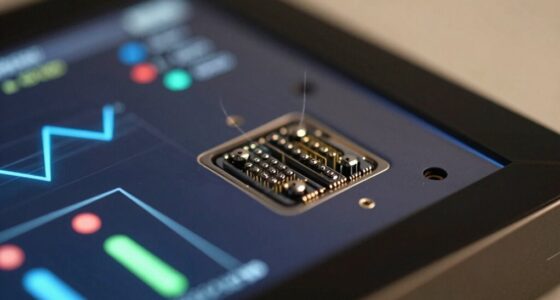
The system is designed to track aspects of everyday activity without relying on cameras or wearable devices. Millimeter-wave radar detects movement, thermal sensors identify broad body postures, and smart plugs monitor appliance use associated with routines such as preparing food or making a drink. An AI model combines those inputs and learns patterns over time, according to the researchers.
The thermal output is kept at low resolution, the report says, so it can indicate postures such as sitting, standing, walking or lying down without displaying facial features or detailed images. The researchers say the system could identify possible emergencies, including a fall, or changes in routine and mobility. If it flags a concern, care professionals or relatives could be notified to check on the resident. The source does not report that the prototype has been deployed in people’s homes or used to diagnose a medical event.
For the study, researchers assessed the sensors in a mock domestic setting with six room layouts, including bedrooms and living areas with different furniture arrangements. They recorded a series of activities to evaluate recognition of movement and posture. The team reported that combining the sensor streams improved performance compared with using the technologies separately. The provided report does not give numerical accuracy results, participant details or evidence from long-term, real-world use.
Potential Support Without Wearables
If further testing supports the approach, a system installed in the home could provide passive monitoring for older residents who do not want to wear a device or be recorded by a conventional camera. Routine changes, prolonged inactivity or altered sleep patterns might prompt a caregiver to check in, researchers say. That could offer another way to notice a possible problem between scheduled visits, though the study does not show that alerts would prevent harm or replace care.
The work also addresses a tension in home monitoring: families and care services may want timely information about someone’s well-being, while residents may value privacy and independence. Using coarse thermal data and appliance activity is intended to limit personal exposure. The trade-off is that monitoring still collects information about movement and household routines, so consent, data handling and the consequences of false alarms would matter if the system were put into use.
As an affiliate, we earn on qualifying purchases.
How the Prototype Combines Sensors
The research paper is titled Privacy-Preserving Ambient Sensing for Activities of Daily Living: Multimodal Radar-Thermal Human Activity Recognition and Smart Plug Appliance Recognition. It was published in Sensors in 2026. The authors include researchers from Nottingham Trent University’s School of Architecture, Design and the Built Environment and School of Science and Technology, alongside staff from Integrated System Technologies Ltd.
The three sensor types offer different kinds of information: radar tracks movement, thermal sensors estimate posture, and smart plugs register appliance use. The study’s reported finding is that combining those inputs performed better in the tested setting. Lead researcher Dr. Yangang Xing said the aim is to support older adults who want to remain at home, while company chief executive Dr. Geoff Archenhold described the concept as part of an ambient assisted living environment. Those are the team’s goals and projections, not evidence that the system is already available or proven to extend independent living.
“This technology aims to support the growing number of older adults who wish to remain in their own homes for longer, rather than moving into residential care.”
— Dr. Yangang Xing, lead researcher from Nottingham Trent University
As an affiliate, we earn on qualifying purchases.
Real-World Accuracy Still Unknown
The reported evaluation used a mock home, and the supplied material does not state how accurately the system detected specific activities or how often it produced missed or false alerts. It also does not describe tests involving older adults living independently, people experiencing actual medical emergencies, or extended monitoring in occupied homes.
It remains unclear how the system would distinguish an emergency from an ordinary change in routine, how quickly a notification would reach someone, or who would be responsible for responding. The report also gives no details on costs, installation requirements, data storage, security, consent procedures or the process for checking whether an alert is correct. The researchers’ references to falls, heart attacks and strokes describe possible targets, not confirmed detection of those conditions in this study.
non-camera home monitoring sensors
As an affiliate, we earn on qualifying purchases.
As an affiliate, we earn on qualifying purchases.
Further Testing Before Home Use
The source material reports publication of the study but does not announce a launch date, regulatory clearance or a next-stage trial. The next useful evidence would come from testing in real homes over longer periods, with clear measures for recognition accuracy, missed events, false alarms and the time taken for caregivers to respond.
Before the system could support care decisions, researchers and prospective providers would also need to explain how residents can give or withdraw consent, what household data are retained, and how alerts are handled. Until such information and real-world results are available, the prototype should be understood as a research development, not a proven emergency service or substitute for professional care.
As an affiliate, we earn on qualifying purchases.
Key Questions
What does the home sensor system monitor?
It combines radar movement data, thermal posture information and smart-plug appliance use to recognize activity patterns in a home, according to the research report.
Does the system use cameras or wearable devices?
The prototype is designed to work without cameras or wearable devices. Its thermal sensors produce low-resolution output intended to avoid showing faces or detailed images.
Has it been shown to detect heart attacks or strokes?
The researchers describe those as possible events the system aims to flag, but the reported study tested activity recognition in a mock domestic environment. The supplied findings do not show that it detected heart attacks or strokes in real people.
Is the system available for use in homes?
The source describes a working research prototype and does not announce commercial availability, a rollout or use in occupied homes.
What did the study find?
In tests across six mock room layouts, the researchers reported that combining data from all three sensor types improved performance. The provided report does not include numerical accuracy results or evidence of long-term effectiveness.
Source: rss
Fall Picks
fall essentials
As an affiliate, we earn on qualifying purchases.