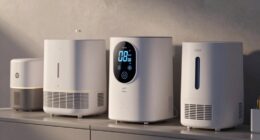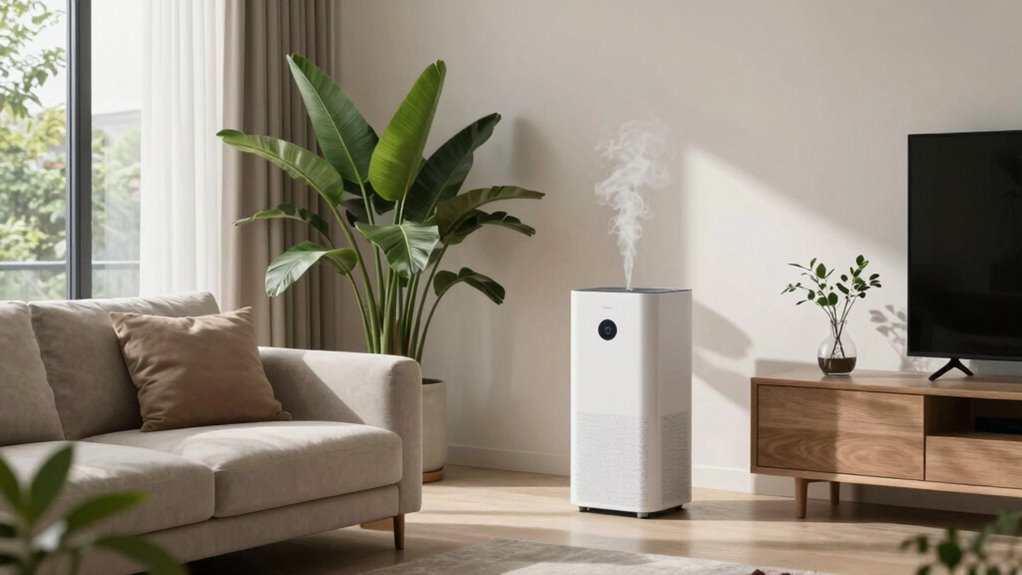

Indoor air balance means controlling the airflow, humidity, and pollutants inside your space to keep the air healthy and comfortable. It involves properly managing ventilation, removing stale air, and bringing in fresh outdoor air to prevent stuffiness, odors, and excess moisture. When your air is balanced, you reduce allergens, mold risks, and structural damage. If you want to understand how to achieve this perfect harmony, there’s more to discover about maintaining ideal indoor air quality.

Get health and wellness essentials delivered free — and shop member deals
- Fast, free delivery on millions of items
- Access to Prime Big Deal Days deals on October 6–7
- Prime Video, Amazon Music and more included
Key Takeaways
- Indoor air balance involves maintaining optimal levels of fresh outdoor air and removing indoor pollutants effectively.
- It ensures proper humidity, temperature, and airflow to create a healthy, comfortable environment.
- Balancing air intake and exhaust prevents pollutants, odors, and moisture buildup.
- Regular maintenance and monitoring are essential to sustain effective air exchange.
- Proper indoor air balance supports health, prevents mold, and extends building longevity.
Maintaining indoor air balance is essential for creating a healthy and comfortable living or working environment. When your indoor air is properly balanced, it means the air quality is at ideal levels, free from pollutants, excess moisture, and stale odors. Achieving this balance requires understanding how ventilation systems work to regulate the exchange of indoor and outdoor air, ensuring fresh air circulates while contaminants are removed. Proper ventilation is key to preventing issues like mold growth, dust accumulation, and indoor air pollution, all of which can impact your health and comfort.
Maintaining indoor air balance ensures a healthy, comfortable environment by controlling pollutants, moisture, and odors through proper ventilation.
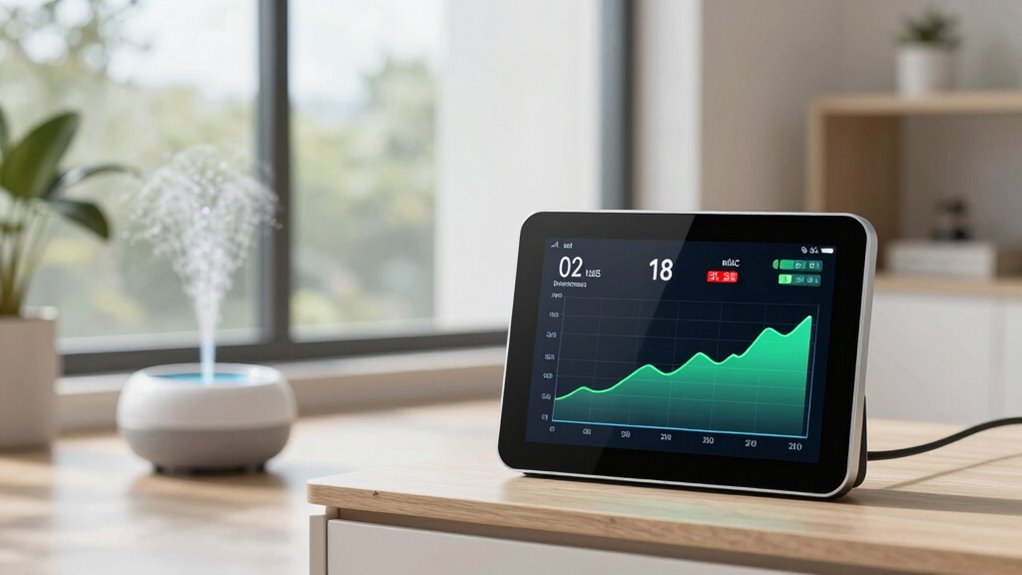
If you ignore the importance of ventilation systems, indoor air quality can quickly decline. Poorly designed or malfunctioning systems may fail to bring in enough fresh air or may recirculate pollutants inside your space. This imbalance can lead to stuffy environments, increased humidity, and the buildup of indoor allergens. You might notice persistent odors, allergy flare-ups, or even respiratory discomfort. By understanding what a balanced indoor air environment entails, you can take steps to maintain it, such as installing or upgrading ventilation systems that are appropriately sized for your space and climate. Additionally, incorporating air quality monitoring devices can help you stay alerted to changes that require action.
A well-designed ventilation system not only introduces clean outdoor air but also exhausts stale indoor air, creating a continuous flow that keeps air fresh and healthy. This process involves carefully managing the intake and exhaust points to prevent backdrafts, infiltration of outdoor pollutants, or moisture buildup. When your ventilation system operates efficiently, it balances indoor humidity levels, reduces airborne contaminants, and helps maintain a stable temperature. This balance in air quality supports your overall well-being and can even extend the lifespan of your building by preventing structural issues caused by excess moisture or mold. Properly system maintenance is crucial to ensure their effectiveness in air exchange.
Achieving indoor air balance isn’t a one-time fix – it’s an ongoing process that requires regular maintenance and adjustments. Filters need to be replaced, vents cleaned, and system components inspected to ensure they’re functioning properly. Regularly checking indoor humidity levels can help prevent conditions conducive to mold growth and other issues. You should also monitor indoor humidity levels and air quality indicators to detect any deviations from healthy standards. Remember, a balanced indoor environment isn’t just about installing equipment; it’s about actively managing how air moves and exchanges within your space. When you prioritize proper ventilation systems and attentively maintain them, you create a space where indoor air quality supports your health, comfort, and productivity.
As an affiliate, we earn on qualifying purchases.
Frequently Asked Questions
How Often Should I Test Indoor Air Quality?
You should test your indoor air quality at least once a year to guarantee it meets air quality standards. However, if you notice symptoms like allergies, mold, or odors, increase testing frequency to every few months. Regular testing helps you identify pollutants early, maintain a healthy environment, and prevent potential health issues. Staying proactive with testing ensures your indoor air remains balanced and safe for everyone in your home.
What Are the Health Risks of Poor Indoor Air Balance?
Imagine breathing in a fog of airborne toxins, each inhalation sneaking into your lungs and silently threatening your respiratory health. Poor indoor air balance can cause headaches, allergies, asthma, and even long-term respiratory issues. You may not see or feel the danger right away, but over time, these toxins accumulate, making it harder to breathe freely and putting your overall health at risk. Stay vigilant to keep your air safe.
Can Indoor Plants Improve Air Balance Naturally?
Yes, indoor plants can improve air balance naturally through plant purification and natural filtration. When you add plants like snake plants or pothos to your space, they absorb toxins and release oxygen, helping to filter the air. This process supports a healthier environment by reducing pollutants and increasing humidity. So, incorporating plants into your home or office is a simple, effective way to enhance indoor air quality naturally.
How Does Ventilation Affect Indoor Air Quality?
Ventilation plays a vital role in improving indoor air quality by enhancing air circulation and removing contaminants. When you guarantee proper ventilation, fresh air replaces stale indoor air, diluting pollutants like dust, VOCs, and odors. This process helps prevent stuffiness and reduces health risks. Regularly opening windows or using ventilation systems keeps air moving, making certain contaminants are efficiently removed and your indoor environment stays healthier and more comfortable.
What Is the Ideal Humidity Level for Indoor Air?
Think of your indoor air as a delicate dance, where humidity control keeps everything in harmony. The ideal humidity level hovers between 30% and 50%, like a steady heartbeat that prevents mold and dust mites from thriving. Effective moisture management guarantees your space feels comfortable and fresh. When you maintain this balance, your indoor environment becomes a sanctuary, free from the chaos of excess dampness or dryness.
As an affiliate, we earn on qualifying purchases.
Conclusion
Achieving indoor air balance isn’t just about comfort—it’s vital for your health. Did you know that indoor air can be up to five times more polluted than outdoor air? By maintaining proper ventilation and air quality, you markedly reduce your exposure to harmful pollutants. Remember, a balanced indoor environment supports better breathing, improved sleep, and overall well-being. Stay proactive about air quality—your health depends on it.
Air purifier with humidity control
As an affiliate, we earn on qualifying purchases.
As an affiliate, we earn on qualifying purchases.
As an affiliate, we earn on qualifying purchases.
Evergreen bestsellers Picks
bestsellers
As an affiliate, we earn on qualifying purchases.