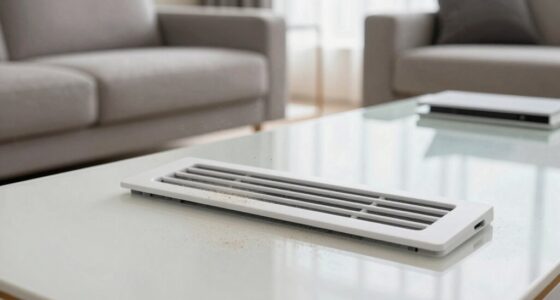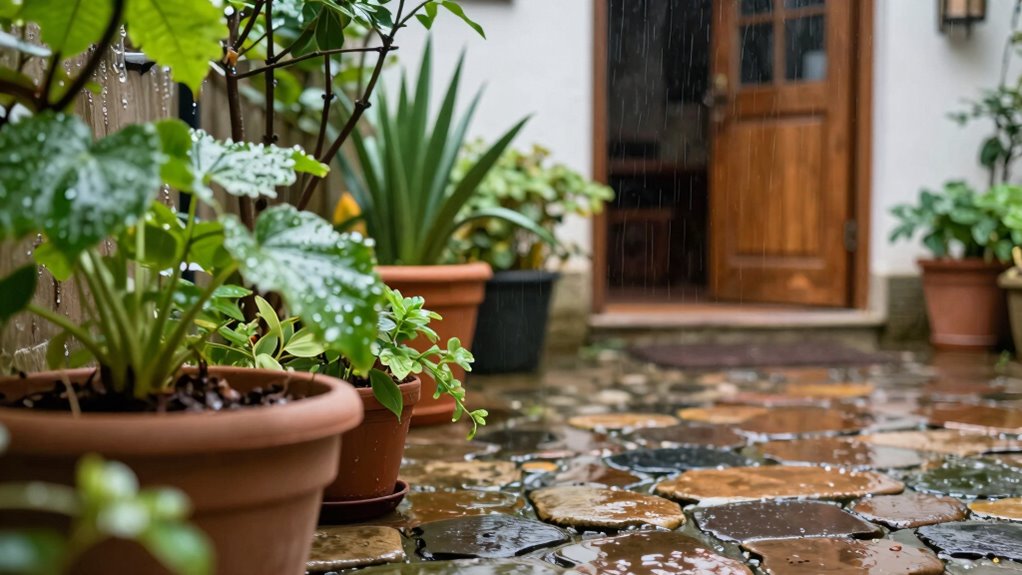

After rain, your house smells different because increased humidity releases moisture that can amplify odors, making them more noticeable. Rain also dislodges outdoor dust, dirt, and organic particles, which can enter through open windows or vents and change your home’s scent. Dampness from rain can cause mold or mildew in fabrics and surfaces, adding musty odors. Understanding these natural effects can help you manage your indoor air—keep exploring to learn more about keeping your home smelling fresh.

Get health and wellness essentials delivered free — and shop member deals
- Fast, free delivery on millions of items
- Access to Prime Big Deal Days deals on October 6–7
- Prime Video, Amazon Music and more included
Key Takeaways
- Increased indoor humidity from rain amplifies existing odors and can make damp or moldy smells more noticeable.
- Rain dislodges external dust, dirt, and organic particles, which enter the home and alter the scent.
- Moisture from rain can dampen fabrics and surfaces, promoting mold growth and resulting in musty odors.
- Rain interacts with indoor materials, releasing new scents and changing the overall smell profile inside.
- Proper ventilation and moisture control help mitigate odor changes caused by rain-induced humidity and airborne particles.

After a rainstorm, you might notice that your house smells different—sometimes fresher, sometimes mustier. This change in scent isn’t just in your head; it’s the result of several factors involving moisture, airborne particles, and the environment around your home. When rain falls, it interacts with the air and surfaces, creating a unique sensory experience inside your house. Understanding what causes these changes can help you manage and even improve your indoor environment.
One of the primary reasons your house smells different after rain is due to the increased humidity. When rain soaks into the ground, it releases moisture into the air, raising the humidity levels inside your home. This extra moisture can enhance or alter existing smells, making them more noticeable. For instance, if your house has mold or mildew lurking in damp areas, the increased humidity can make these odors more prominent. Conversely, if your home was previously stuffy or stale, the fresh, moist air can often bring a cleaner scent, giving your house a more invigorating aroma.
Increased humidity after rain amplifies odors and can bring a fresh or musty scent to your home.
Rain also stirs up particles from outside that find their way inside. When rain hits the ground, it dislodges dust, dirt, and organic material from surfaces like soil, plants, and even the pavement. These particles are then carried by the wind and can enter your home through open windows, vents, or gaps in doors. Once inside, they settle on surfaces or mix with the air, contributing to the overall scent profile. If your yard is muddy or filled with decaying leaves, these odors can seep into your house after a rainstorm, making the air smell earthy or musty.
Another factor is how rain influences indoor air quality through the activation of certain materials. For example, rain can cause dampness in curtains, upholstery, or carpets if they are exposed to high humidity or leaks. These moist environments are breeding grounds for mold and bacteria, which emit musty odors. If you notice a stale smell after rain, it’s often a sign that moisture has infiltrated these materials. On the other hand, if your home has good ventilation and moisture control, the rain’s effect on the smell can be minimal or even positive, as the dampness can temporarily neutralize dry, stale odors.
Additionally, rain-induced moisture can cause some materials inside your home to release different odors, further affecting the scent. In essence, the smell inside your house after rain depends on how moisture interacts with your environment, what’s outside your windows, and your home’s ventilation. While increased humidity and airborne particles influence the scent, the presence of mold or damp materials can intensify musty odors. Recognizing these factors allows you to take steps to improve your indoor air quality, like improving ventilation or addressing leaks and dampness. Ultimately, the scent change after rain is a complex mix of natural processes that reveal how intimately your home’s environment is connected to the weather outside.
Frequently Asked Questions
Can Indoor Plants Affect the Smell After Rain?
Indoor plants can influence the smell after rain by releasing natural scents, like earthy or woody aromas, especially when watered. If you have many plants, they might add to the fresh, damp scent, making the house smell even more like the outdoors. Additionally, plants can absorb odors and help purify the air, so their presence can subtly change the overall smell, often making it more pleasant and earthy.
Does the Type of Flooring Influence Indoor Rain Odors?
Yes, the type of flooring influences indoor rain odors. For example, carpets can trap moisture, leading to musty smells after rain, while tile or hardwood floors dry faster and resist mold growth. You should consider your flooring material when managing indoor odors. Regular cleaning and good ventilation help prevent lingering rain-related smells, regardless of your floor type. Upgrading to moisture-resistant flooring can also reduce these odors over time.
How Long Does the Rainy Smell Typically Last Inside?
The rainy smell usually lingers for a few hours to a couple of days, like a fleeting ghost in your home. It depends on factors like ventilation, humidity, and indoor surfaces. Open windows and use fans to speed up the process, helping the fresh scent dissipate faster. Keep your space dry and well-ventilated, and the damp, earthy aroma will fade before you know it, leaving your home feeling crisp and clean.
Are There Specific Cleaning Products to Eliminate Rain Odors?
Yes, there are specific cleaning products that can help eliminate rain odors. Use enzymatic cleaners or vinegar-based solutions to break down odor-causing bacteria and mold. You can also try commercial odor eliminators designed for musty or damp smells. Make sure to thoroughly clean affected areas, including carpets, curtains, and walls. Regular ventilation and using dehumidifiers will also help prevent odors from lingering after rain.
Can Humidity Levels Indoors Change the Rain Scent?
Absolutely, humidity levels indoors can change the rain scent. When humidity rises, it’s like opening a window to fresh air, releasing the earthy, damp aroma that rain leaves behind. Excess moisture amplifies these smells, making them more noticeable inside your home. Keep humidity balanced with a dehumidifier or good ventilation, so the rain scent doesn’t settle in too long and overwhelm your space.
Conclusion
That fresh, earthy smell is like nature’s way of giving your home a gentle hug after a rainstorm. It’s a reminder that even the air around you has a story to tell, one of renewal and life. So next time your house smells different after rain, embrace it — it’s as if the world has pressed a reset button, filling your space with the promise of new beginnings. Enjoy the scent of fresh start, right inside your home.
Halloween Picks
halloween
As an affiliate, we earn on qualifying purchases.