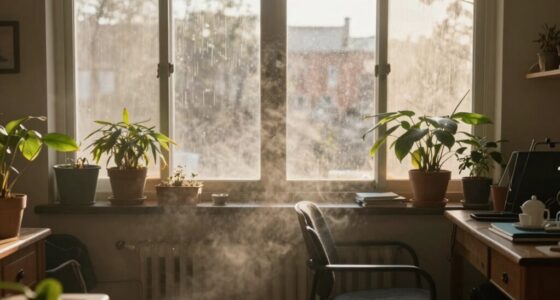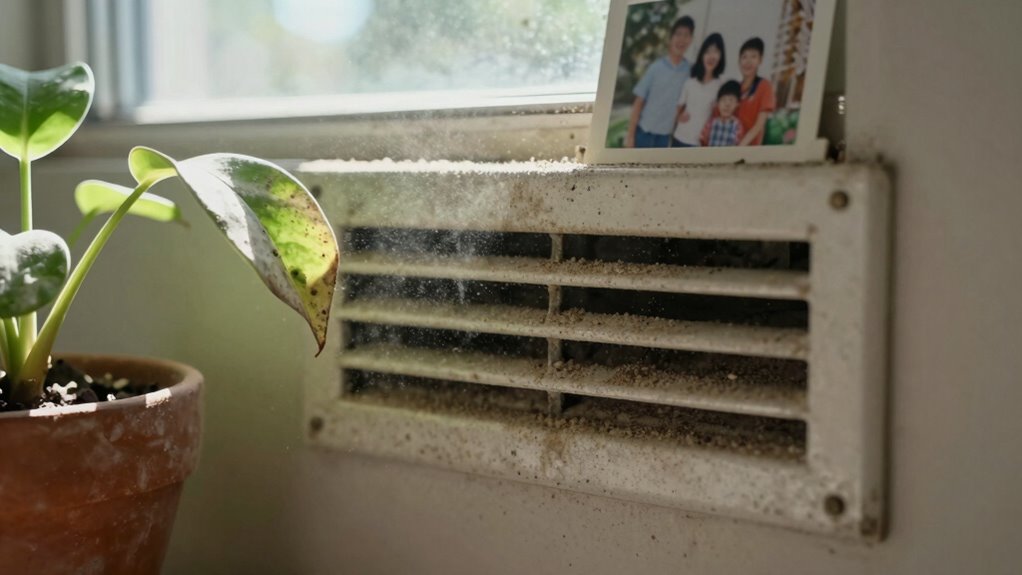

Your home’s air might be dirtier than you think. Common indoor pollutants like dust mites, pet dander, and volatile organic compounds (VOCs) from cleaning products can severely impact your health. Poor ventilation traps these allergens while high humidity fosters mold growth. Even everyday items can contribute to bad air quality. By understanding these hidden dangers, you can take steps to improve the air you breathe. Discover more ways to enhance your indoor environment and protect your health.
Key Takeaways
- Indoor air often contains harmful pollutants from cleaning products, paints, and furniture that can affect respiratory health.
- Dust mites, pet dander, and mold contribute significantly to allergens in the home, triggering asthma and allergy symptoms.
- High humidity levels promote mold growth and dust mite proliferation, worsening indoor air quality and health issues.
- Poor ventilation can lead to stale air and increased concentrations of allergens and pollutants indoors.
- Regular use of air purifiers and eco-friendly cleaning products can help improve indoor air quality significantly.

LEVOIT Air Purifier for Home Allergies and Pets Hair Smokers in Bedroom, H13 True HEPA Filter, 24db Filtration System Cleaner Odor Eliminators, Remove 99.97% Dust Smoke Mold Pollen, Core 300, White
- AHAM Verified for Performance: Independently tested for air quality and efficiency
- Powerful Filtration System: 56W motor with 143 CFM CADR
- Effective for Large Rooms: Cleans 222 sq ft 4.8 times/hour
As an affiliate, we earn on qualifying purchases.
Common Indoor Air Pollutants
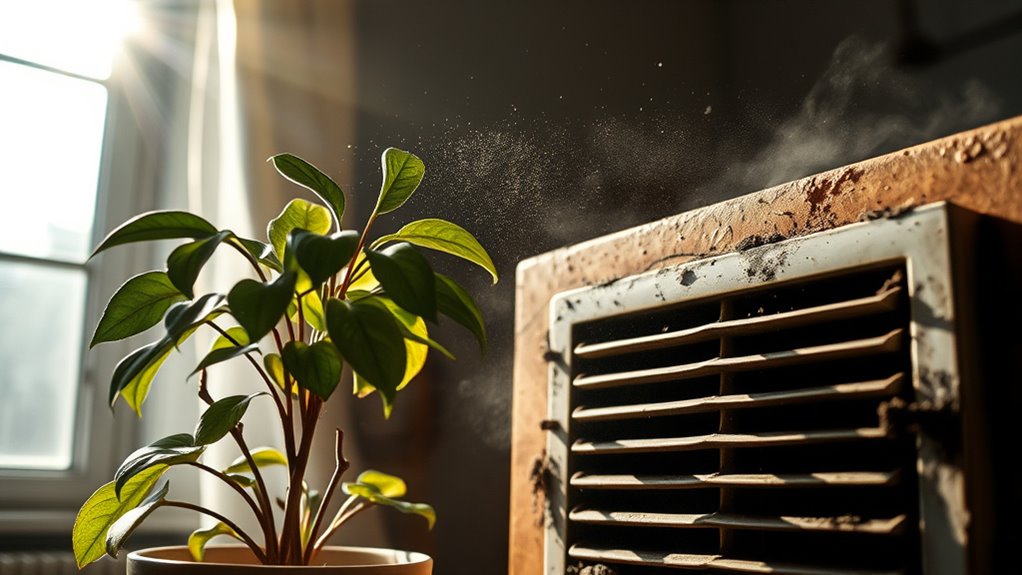
Indoor air quality often suffers from a range of common pollutants that can impact your health and comfort. You might not realize it, but everyday items like cleaning products, paints, and even furniture can release volatile organic compounds (VOCs) into your home. These pollutants contribute to poor air quality and can lead to headaches, fatigue, or respiratory issues. Additionally, tiny particles from combustion sources, such as gas stoves, can linger in the air. To combat these issues, air purifier technology has advanced considerably, offering effective indoor air purification solutions. By investing in a quality air purifier, you can greatly reduce harmful pollutants, ensuring a healthier living environment for you and your family. Many regional hotels offer water park access for local families can also help you transport air purifiers and other essential gear for keeping your living space clean. Don’t underestimate the importance of clean air in your home! Furthermore, understanding the types of air purifiers available can help you choose the right one for your specific needs. Regularly checking for common indoor air pollutants can also aid in maintaining optimal air quality. Engaging your curiosity and happiness can motivate you to explore innovative ways to improve your indoor environment.

MOOKA Air Purifier for Bedroom Home Dorm 430 Ft², Compact HEPA Air Cleaner
- True HEPA Filter with 360° Air Intake: Removes dust, smoke, pollen, pet dander
- Compact & Portable Design: Powered via USB for versatile use
- Universal Voltage Compatibility: Works with 110-240V power sources
As an affiliate, we earn on qualifying purchases.
The Role of Dust and Allergens
Dust and allergens can critically impact your home’s air quality and your health. You might not realize that everyday items like pet hair, mold, and dust mites contribute to indoor allergens that accumulate over time. Understanding where these allergens come from and how they affect you is essential for maintaining a healthier living environment. Regular cleaning and understanding the impact of allergens can significantly improve indoor air quality. Incorporating natural materials into your decor can also help reduce allergens by minimizing dust accumulation. Additionally, using bike generators for small appliances can promote cleaner energy use in your home, further enhancing your indoor environment. Implementing best practices in software quality assurance can help you identify and address sources of allergens effectively. Dreams about black dragon symbolism can also signify the need for powerful transformation in your approach to creating a healthier atmosphere.
Common Indoor Allergens
Have you ever wondered what’s lurking in the corners of your home? Common indoor allergens like dust mites, pet dander, and mold can notably affect your air quality and health. These tiny irritants can trigger allergies and asthma symptoms, making your living space uncomfortable. Investing in an air purifier can provide immense benefits by trapping these pollutants and improving the air you breathe. Additionally, using allergen proof bedding can help create a barrier against dust mites, giving you a cleaner and healthier sleep environment. By taking these simple steps, you can markedly reduce indoor allergens and enjoy your home without the constant worry of sneezing or coughing.
Furthermore, using eco-friendly options for your home textiles, such as bedding made from sustainable materials, can also contribute to a healthier indoor environment. Regularly changing necessary cookies on your air purifier can help maintain its effectiveness in removing airborne allergens. In addition, keeping your home free from pet dander can significantly enhance air quality. It’s important to note that cryptid mysteries can sometimes evoke fear, leading individuals to overlook common environmental threats like allergens. Make your space a sanctuary for better health today! Regularly checking and cleaning filters for air purifiers is essential for maintaining efficient air quality.
Dust Accumulation Sources
While you might not see it, dust can accumulate from a variety of sources in your home, contributing to poor air quality. Understanding these sources can help you manage dust and allergens effectively. Here are four common contributors:
- Dust Mites: These tiny creatures thrive in bedding and upholstered furniture, releasing waste that adds to dust levels. Innovative European Cloud Servers can provide data on effective air purification methods. Additionally, maintaining astrological compatibility in your personal space can enhance your overall well-being. Furthermore, knowledge of air filtration systems can greatly improve your home’s air quality.
- Fabric and Textiles: Clothes, curtains, and carpets release fibers that can become airborne and settle as dust.
- Outdoor Particles: Pollen, dirt, and debris can enter your home, especially if you have windows open.
- Air Filtration Systems: Inefficient filters can allow dust to circulate, so ensure yours is clean and effective. Additionally, using essential oils such as eucalyptus oil can help purify the air and reduce allergens in your home.
Health Impacts of Dust
Although you may not realize it, the dust in your home can considerably impact your health, particularly if you’re sensitive to allergens. Dust contains a mix of debris, including airborne pathogens and mold spores, which can trigger respiratory issues and allergies. Understanding the predictive validity of various personality assessments can also help you identify stressors in your environment that may affect your health. Regular cleaning can help, but understanding what’s in your dust is essential. Additionally, maintaining a home cinema environment with proper air filtration can further reduce dust accumulation and promote better air quality. Engaging in aquatic exercise can also benefit your overall health by improving your respiratory function and strengthening your body. Implementing cybersecurity measures for your smart home devices can also help prevent potential risks associated with connected technology.
| Type of Particles | Health Effects | Prevention Tips |
|---|---|---|
| Dust Mites | Allergic reactions | Use dust-proof covers |
| Mold Spores | Respiratory problems | Control humidity |
| Pollen | Seasonal allergies | Keep windows closed |
| Pet Dander | Asthma exacerbation | Bathe pets regularly |
| Bacteria | Infections | Clean surfaces often |
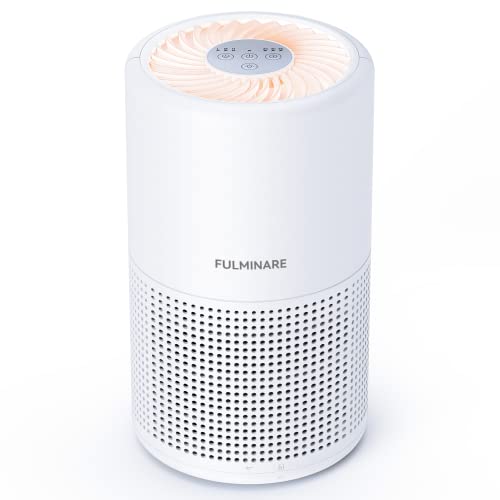
Air Purifiers for Bedroom, FULMINARE H13 True HEPA Filter
- Efficient Particle Filtration: H13 HEPA filter for clean air
- High Circulation Rate: 360° air outlet, refreshes 5x/hour
- Suitable for 215 sq ft rooms: Effective in small to medium rooms
As an affiliate, we earn on qualifying purchases.
Understanding Volatile Organic Compounds (VOCs)
What do you really know about volatile organic compounds (VOCs) and their impact on your indoor air quality? These volatile compounds are often found in household products and can markedly affect your health. Here’s what you should be aware of:
- Sources: VOCs can be emitted from paints, solvents, and cleaning agents.
- Health Effects: Exposure may lead to headaches, dizziness, or respiratory issues.
- Indoor Emissions: Poor ventilation can trap these compounds in your home, worsening air quality.
- Reduction Tips: Use low-VOC products, ventilate your space, and regularly check for leaks.
Understanding VOCs helps you take control of your indoor environment, ensuring a healthier living space for you and your family.

VOOPNU Air Purifiers for Bedroom, High Efficiency Filter, 1076 Ft², Black
- Easy-to-Use Control Panel: Intuitive design for simple operation
- Compact and Powerful: Covers 1076 ft² in a small size
- 360° Airflow Design: Ensures even air purification
As an affiliate, we earn on qualifying purchases.
Impact of Household Cleaning Products
When you clean your home, you might not realize that some household cleaning products release toxic chemicals into the air. These emissions can lead to respiratory health risks that affect you and your family. Fortunately, there are eco-friendly alternatives that can keep your space clean without compromising your air quality.
Toxic Chemical Emissions
How often do you consider the impact of the cleaning products you use on your home’s air quality? Many household cleaners release toxic chemicals that can compromise your indoor air. To minimize these emissions, consider the following tips:
- Choose eco-friendly cleaning products to reduce harmful chemicals.
- Use an air purifier with a HEPA filter to improve air filtration.
- Open windows during and after cleaning to allow fresh air to circulate.
- Limit the use of aerosol sprays, which can release harmful particles into the air.
Respiratory Health Risks
While you might not realize it, the household cleaning products you use can profoundly impact your respiratory health. Many of these products contain harsh chemicals that can irritate your airways, leading to chronic respiratory issues. When you breathe in these toxins, you’re not just cleaning your home; you’re potentially harming your lungs. To mitigate these risks, consider implementing allergen avoidance strategies, like using fragrance-free or non-toxic cleaners. Additionally, investing in an air purifier can provide significant air purifier benefits by reducing airborne irritants and allergens, helping you breathe easier. Prioritizing your respiratory health means being mindful of what you bring into your home and how it affects the air you and your family breathe daily.
Eco-Friendly Alternatives
Choosing eco-friendly alternatives for household cleaning products not only protects your health but also benefits the environment. By making simple switches, you can improve your indoor air quality and reduce harmful emissions. Here are four alternatives to contemplate:
- Vinegar: A powerful natural disinfectant, great for windows and surfaces.
- Baking Soda: Effective for scrubbing and deodorizing, perfect for carpets and appliances.
- Castile Soap: A biodegradable soap that cleans without harsh chemicals.
- Essential Oils: Add pleasant scents and antibacterial properties to your cleaning routine.
Incorporating air purifiers and ensuring natural ventilation can further enhance your home’s air quality. Embrace these eco-friendly options to create a healthier living space while protecting our planet.
The Dangers of Poor Ventilation
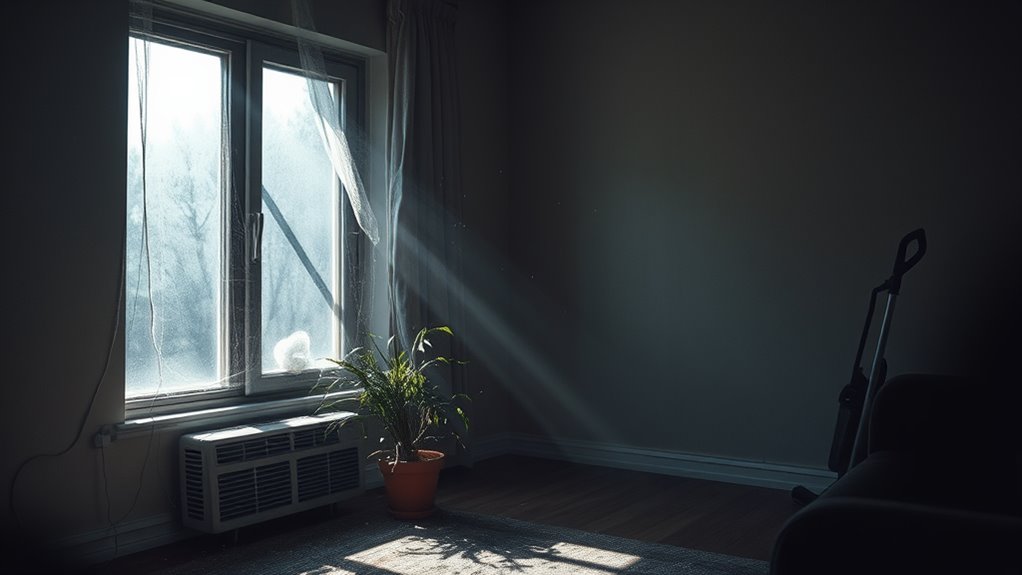
Poor ventilation can lead to a host of health problems in your home, making it essential to address this issue promptly. When your ventilation systems aren’t working effectively, the air exchange diminishes, causing stale air to linger. This can result in a buildup of allergens, dust, and even harmful pollutants that may affect your respiratory health. You might notice increased allergy symptoms, headaches, or fatigue due to inadequate airflow. Moreover, poor ventilation can create an environment conducive to mold growth, which poses additional health risks. To guarantee your well-being, regularly check and maintain your ventilation systems, allowing for proper air exchange. By prioritizing good ventilation, you can create a healthier living space for you and your family.
Effects of Indoor Humidity on Air Quality
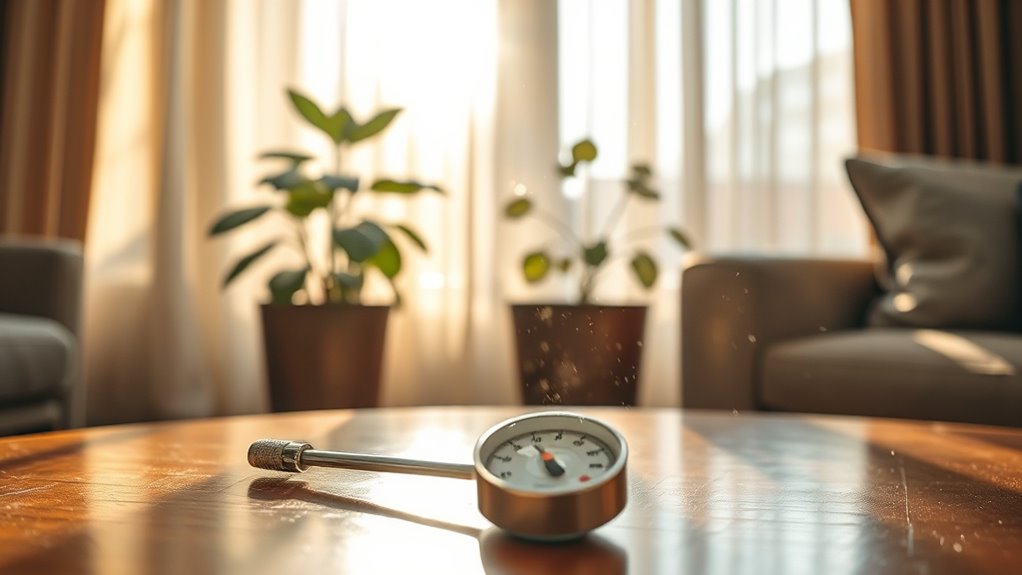
Indoor humidity levels substantially impact air quality, especially when they’re either too high or too low. Maintaining balanced indoor humidity is vital to prevent issues such as mold growth and respiratory problems. Here are some effects of improper humidity levels:
- High Humidity: Creates a breeding ground for mold and dust mites, worsening allergies.
- Low Humidity: Can dry out your airways, leading to irritation and increased susceptibility to infections.
- Mold Growth: Thrives in humid environments, damaging your home and health.
- Comfort Levels: Uncomfortable humidity can make your home feel sticky or dry, affecting overall well-being.
The Influence of Pets on Air Quality

While pets bring joy and companionship, they can also considerably influence your home’s air quality. Pet dander, tiny flakes of skin shed by your furry friends, can accumulate in the air, leading to allergies and respiratory issues. Even if you love your pets, you can’t ignore the impact of their presence. Additionally, odors from pets can linger, making odor control essential. Regular grooming and cleaning can help minimize both dander and smells. Make certain you vacuum frequently and invest in air purifiers designed to capture pet allergens. Keeping your home clean not only enhances your air quality but also creates a healthier environment for you and your pets. So, stay proactive to enjoy a fresher indoor atmosphere!
Practical Tips for Improving Indoor Air Quality
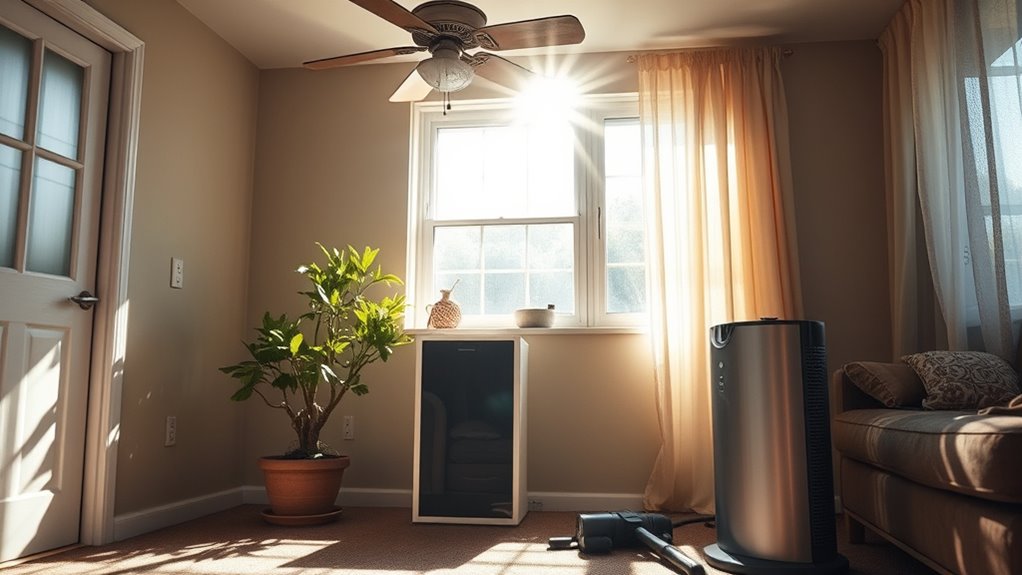
To create a healthier living space, it is essential to focus on improving air quality in your home. Here are some practical tips to help you achieve that:
- Use an air purifier: Experience air purifier benefits like reduced allergens and pollutants, making your indoor environment cleaner.
- Add indoor plants: Enjoy indoor plant advantages, such as natural air filtration and enhanced humidity levels.
- Ventilate regularly: Open windows to let fresh air circulate, helping to reduce indoor toxins.
- Limit harsh chemicals: Choose natural cleaning products to minimize harmful fumes and improve overall air quality.
Frequently Asked Questions
How Often Should I Change My Air Filters?
You should change your air filters every 1 to 3 months, depending on usage and your environment. Did you know that dirty filters can reduce your system’s efficiency by up to 15%? Regular changes help prevent allergen buildup, ensuring cleaner air in your home. If you have pets or allergies, lean toward the shorter end of the lifespan. Keeping up with this simple task can considerably improve your indoor air quality.
Can Houseplants Improve Indoor Air Quality?
Yes, houseplants can substantially improve indoor air quality. By incorporating indoor plants into your space, you’re enhancing air purification naturally. Plants like spider plants, peace lilies, and snake plants absorb toxins and release oxygen, making your environment healthier. They also increase humidity, which can help with respiratory issues. So, placing a few of these air-purifying plants around can create a fresher atmosphere and promote a better overall well-being for you.
How Do I Know if My Air Is Polluted?
Imagine walking through a foggy forest, but that fog is actually indoor air pollution. To know if your air’s polluted, consider using air quality sensors—they’re like your home’s personal pollution detectives. Look for common pollution sources, such as cooking fumes, pet dander, or mold. If you notice a persistent musty smell or frequent sneezing, it’s time to take action. Trust those sensors; they’ll guide you toward fresher, cleaner air.
Are Air Purifiers Worth the Investment?
Yes, air purifiers can be worth the investment. Their effectiveness in reducing pollutants, allergens, and odors can substantially improve your indoor air quality. When you conduct a cost-benefit analysis, consider the health benefits and potential reduction in allergy symptoms against the initial purchase and maintenance costs. If you or your family suffers from respiratory issues, an air purifier could provide substantial relief, making it a wise choice for cleaner air at home.
What Are the Symptoms of Poor Air Quality?
You might think you’re breathing in fresh air, but poor air quality can sneak up on you. Symptoms include sneezing, coughing, and itchy eyes—pretty ironic, right? You’re just trying to enjoy your space, but airborne allergens and mold spores can turn it into a sneeze-fest. If you notice headaches, fatigue, or respiratory issues, it’s time to contemplate that your indoor air isn’t as clean as you thought it was.
Conclusion
Your home can feel like a sanctuary, yet hidden pollutants might be lurking in the air you breathe. While fresh paint or that new cleaning product promises a clean space, it can also release harmful VOCs. Balancing the love for your furry friends with indoor air quality is essential. By taking simple steps to improve ventilation and reduce allergens, you can transform your home from a potential health risk into the safe haven you deserve. Breathe easier today!