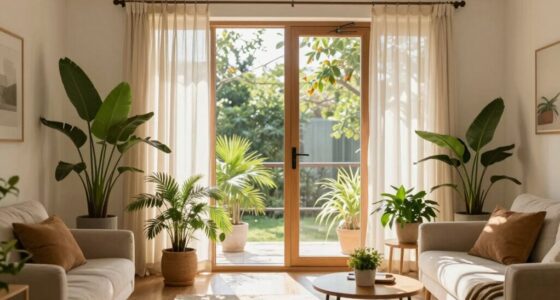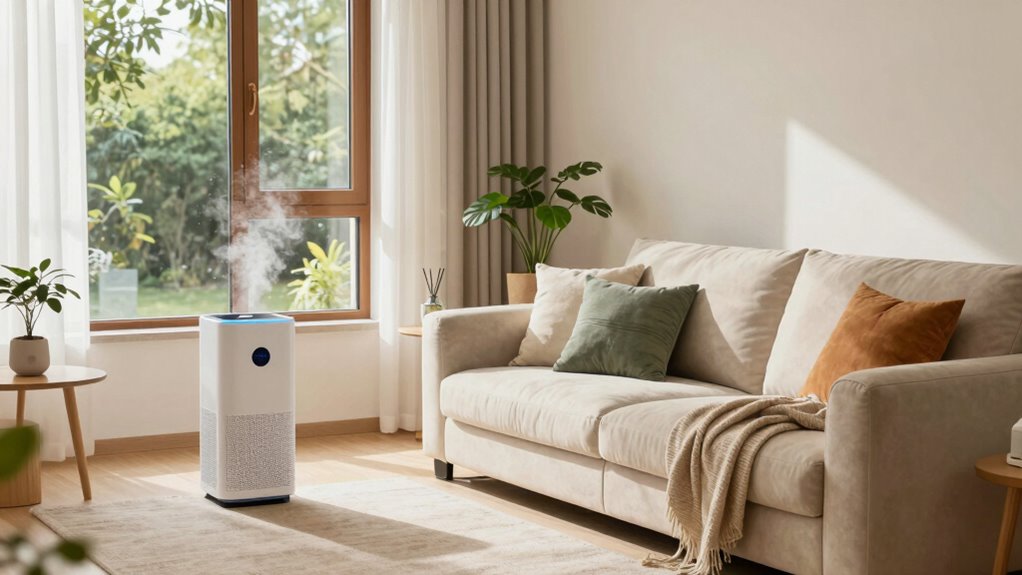
One of the biggest mistakes new homeowners make is relying solely on opening windows or air purifiers, which isn’t enough if outdoor pollution or allergens are high. You might also forget to maintain your HVAC system or use harsh chemicals that release toxins. Improper ventilation and neglecting sources of indoor pollution can accumulate harmful compounds. Avoid these pitfalls by understanding proper ventilation and filtration techniques, so you can create a healthier home environment—more tips await if you keep going.

Get health and wellness essentials delivered free — and shop member deals
- Fast, free delivery on millions of items
- Access to Prime Big Deal Days deals on October 6–7
- Prime Video, Amazon Music and more included
Key Takeaways
- Relying solely on opening windows without considering outdoor pollution or allergens.
- Neglecting regular HVAC maintenance and filter changes.
- Using harsh chemicals and air fresheners that introduce indoor toxins.
- Inconsistent or improper ventilation practices in daily routines.
- Overlooking the importance of air purification systems and effective airflow management.
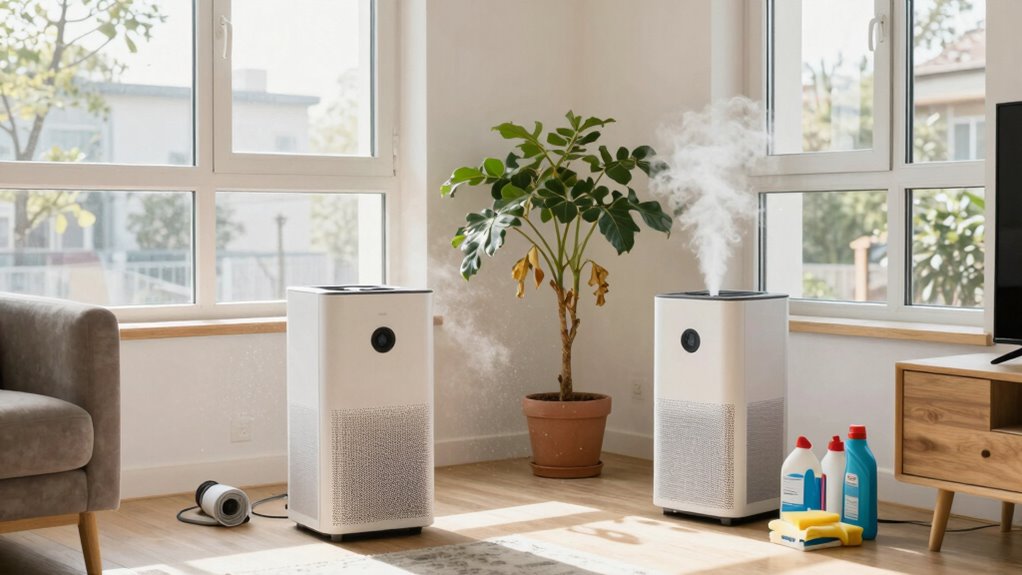
Moving into a new home is exciting, but it also comes with responsibilities—especially when it comes to indoor air quality. Many new homeowners fall into common traps that can compromise the air they breathe daily. One of the biggest mistakes is believing air quality myths that circulate without scientific backing. For example, some think that opening windows constantly will always improve air quality, but this isn’t true if outdoor pollution or allergens are high. Others assume that air purifiers alone can solve all air quality issues, ignoring the importance of proper ventilation habits. It’s easy to get misled by these myths and overlook practical steps for maintaining a healthy indoor environment.
Another mistake involves neglecting proper ventilation habits. Good ventilation isn’t just about opening windows now and then; it requires consistent and strategic effort. You might think that simply cracking a window now and then suffices, but without establishing a routine, your home can trap pollutants, VOCs from furniture, cooking fumes, and humidity that promote mold growth. Proper ventilation means running exhaust fans in kitchens and bathrooms, ensuring HVAC systems are well-maintained, and using air exchange systems when necessary. These habits help dilute indoor pollutants and bring in fresh air, reducing the buildup of harmful substances.
Many new homeowners also underestimate the importance of controlling indoor sources of pollution. For example, using harsh cleaning chemicals or air fresheners without understanding their impact can introduce more toxins into your home. Even new furniture and carpets off-gassed chemicals that can linger, affecting your air quality over time. Instead of blindly trusting that your home is “clean,” you should be proactive about selecting low-emission products and ventilating the space after bringing new items inside.
It’s easy to overlook the significance of routine maintenance on your HVAC system, which plays a crucial role in indoor air quality. Dirty filters and neglected ducts can circulate dust, mold spores, and other pollutants throughout your home. Regularly changing filters and scheduling professional inspections ensure your ventilation system operates efficiently, drastically reducing indoor air pollutants.
Additionally, understanding the role of ventilation and purification can help you make more informed decisions about maintaining a healthy indoor environment.
In the end, maintaining good indoor air quality requires awareness and consistent effort. Don’t fall for air quality myths that lead you to neglect ventilation habits or ignore the sources of indoor pollution. Instead, educate yourself about proper practices, be proactive with maintenance, and develop habits that prioritize fresh, clean air. Your health and comfort depend on it.
As an affiliate, we earn on qualifying purchases.
Frequently Asked Questions
How Often Should I Change My HVAC Air Filters?
You should change your HVAC air filters every 1 to 3 months, depending on the air filter lifespan and your home’s air quality. Regularly replacing filters is essential for HVAC maintenance, as dirty filters can reduce efficiency and harm indoor air. In homes with pets or allergies, more frequent changes are recommended. Keep an eye on the filter and replace it promptly to guarantee ideal airflow and indoor air quality.
Are Air Purifiers Effective for Improving Indoor Air Quality?
Air purifiers are incredibly effective at improving indoor air quality, often transforming your home’s air into a crisp, clean oasis. With high-quality HEPA filters, they trap tiny particles like allergens and pollutants, and air quality sensors help optimize performance by adjusting settings automatically. This means you breathe easier and enjoy fresher air daily, making your home feel like a sanctuary against airborne nastiness.
Can Houseplants Significantly Improve Indoor Air Quality?
Houseplants can improve indoor air quality, but their impact is often limited. They may reduce airborne toxins, yet plant toxins and soil contamination can pose risks if not properly maintained. To maximize benefits, choose non-toxic plants, regularly clean soil, and avoid overwatering. Remember, plants help with humidity and air freshness, but don’t rely solely on them for thorough air purification. Proper ventilation remains essential.
What Are Common Indoor Air Pollutants to Watch For?
Did you know indoor air pollutants can be two to five times higher than outdoor levels? You should watch for VOC emissions from paints, cleaning products, and furniture, which can cause health issues. Mold growth is another common pollutant, thriving in damp areas and releasing spores that worsen allergies. Regularly ventilate your home, fix leaks, and choose low-VOC products to improve your indoor air quality and health.
How Does Humidity Affect Indoor Air Quality?
Humidity levels directly impact your indoor air quality. When humidity is too high, it creates the perfect environment for mold growth, which can worsen allergies and asthma. Conversely, low humidity can dry out your skin and irritate your respiratory system. To maintain healthy air, keep humidity levels between 30-50%. Use dehumidifiers or humidifiers as needed, and guarantee proper ventilation to prevent mold and maintain a comfortable, safe indoor environment.
air purifiers for indoor air quality
As an affiliate, we earn on qualifying purchases.
As an affiliate, we earn on qualifying purchases.
Conclusion
By avoiding these common indoor air mistakes, you can create a healthier home environment from the start. Did you know that indoor air can be up to five times more polluted than outdoor air? That’s a startling fact, but it highlights the importance of proper ventilation and air quality practices. Take proactive steps today—your lungs will thank you, and you’ll enjoy a fresher, safer living space for years to come.
As an affiliate, we earn on qualifying purchases.
As an affiliate, we earn on qualifying purchases.
Fall Picks
fall essentials
As an affiliate, we earn on qualifying purchases.